Hormone therapy linked to lower breast cancer mortality
Compared with never-users, hormone therapy ever-users had adjusted hazard ratios, which compare event rates over time, of 0.72 for breast cancer death and 1.17 for diagnosis.
medRxiv
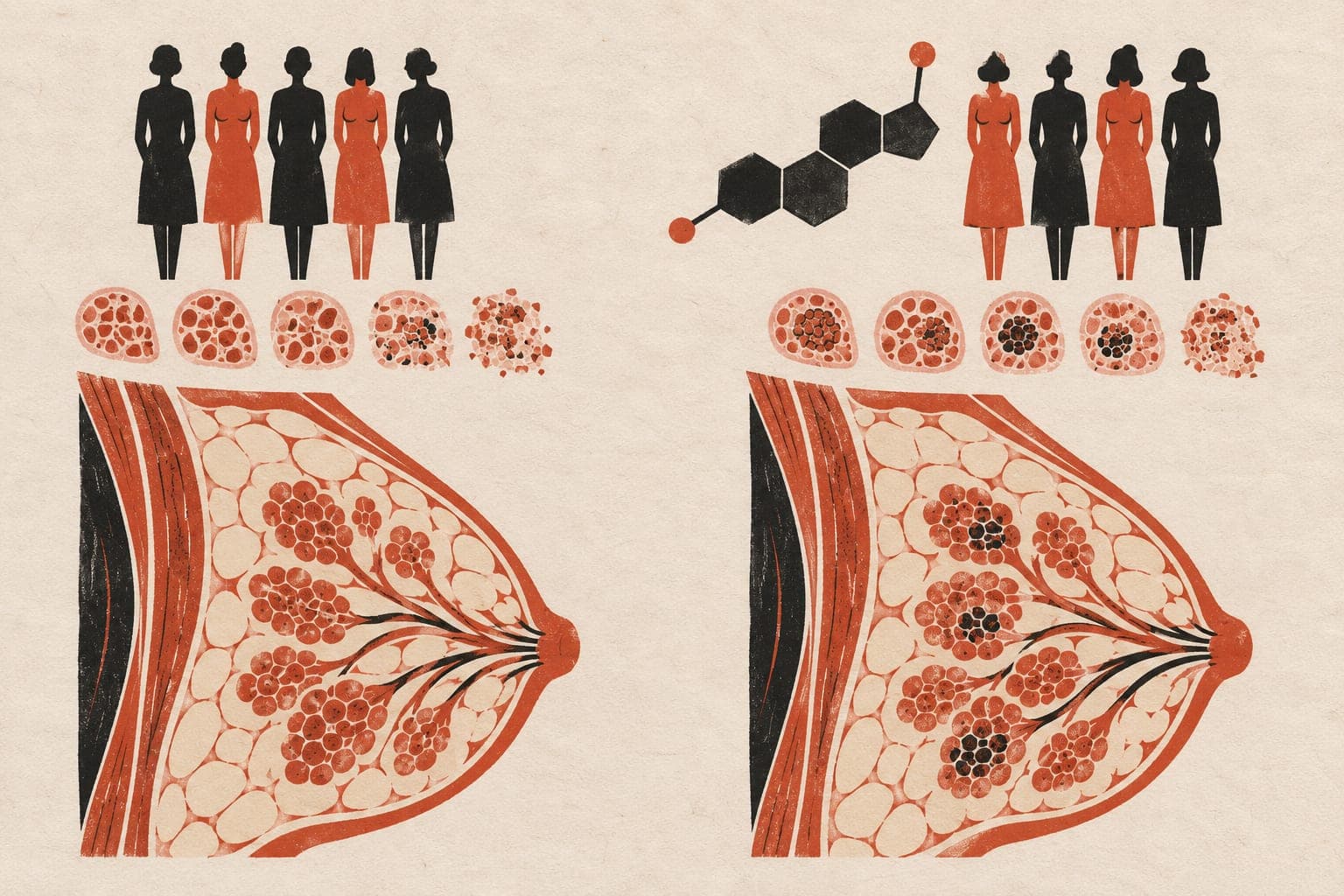
An observational analysis of 78,209 women in the Prostate, Lung, Colorectal and Ovarian Cancer Screening Trial examined menopause timing, menopausal hormone therapy use and breast cancer outcomes. Ever-use of hormone therapy was associated with higher breast cancer incidence, lower breast cancer mortality and better overall survival.
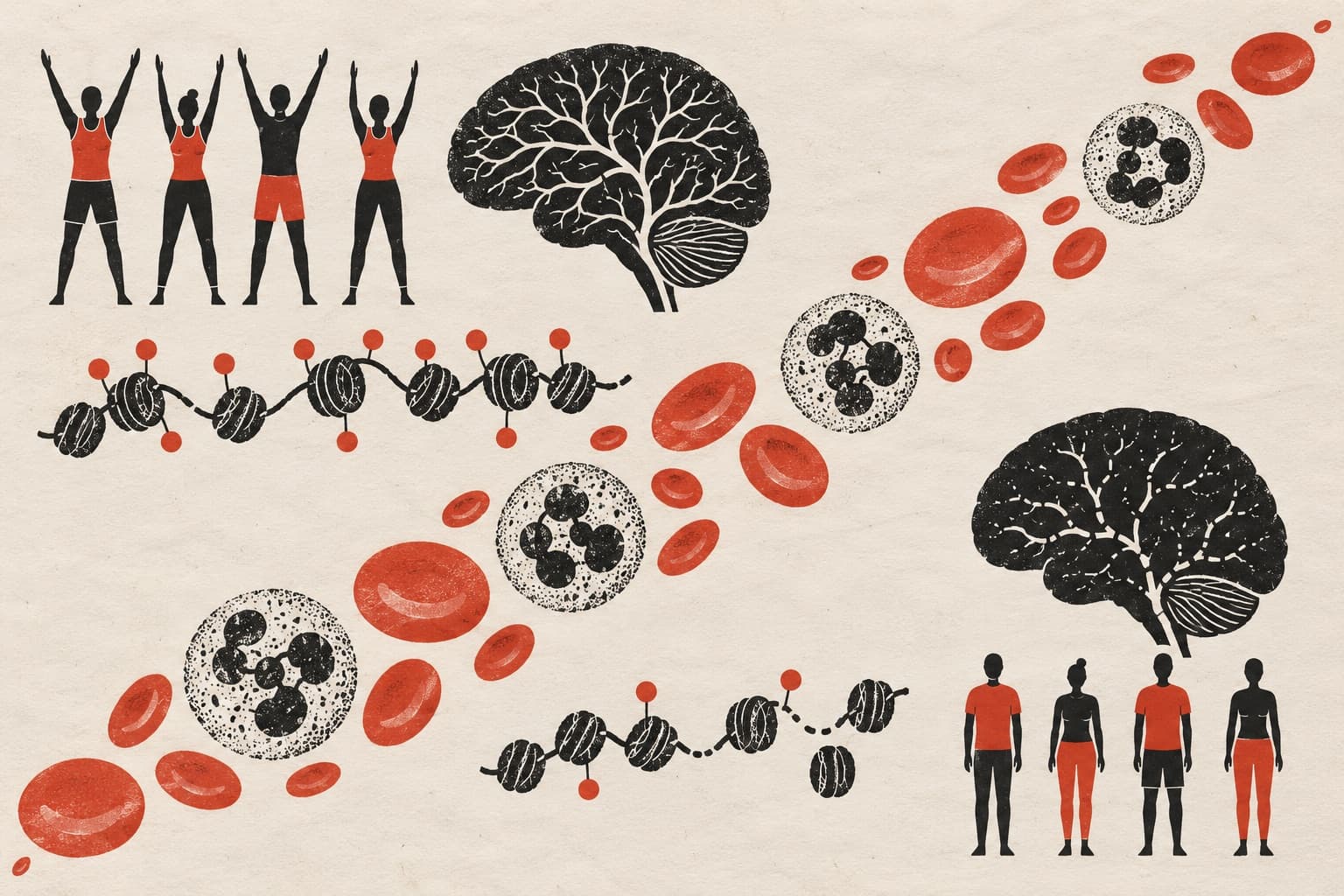
In a subset of 758 breast cancer cases and 745 comparison participants, researchers used chemical marks on blood DNA to estimate biological aging. Menopause at age 45 or older was associated with estimates of slower aging, particularly among cases. Hormone therapy use showed no broad acceleration in these aging measures. Its patterns of DNA marks and immune-system markers largely did not overlap with those linked to menopause timing.
Why it matters
By examining blood DNA more than a decade after menopause, the analysis addressed whether menopause timing and hormone therapy use relate to biological aging.
Caveats
This observational analysis could not show cause and effect, and DNA-based aging estimates were indirect measures. The paper is a preprint and has not been peer-reviewed.
- Menopausal hormone therapy
- DNA methylation
- Breast cancer
- Hormone-receptor-positive breast cancer
- Cumulative aging and pace-of-aging markers
- Humans
The paper
Show 5 more authors
Y. Li, K. K. Leslie, Y. Guo, C. I. Amos, L. S. Cook,University of New Mexico
medRxiv · 6 Oct 2026 · CC BY-NC-ND · Preprint, not peer-reviewed