Reduction in olfactory ability in aging Mitf mutant mice without neurodegeneration
Abstract
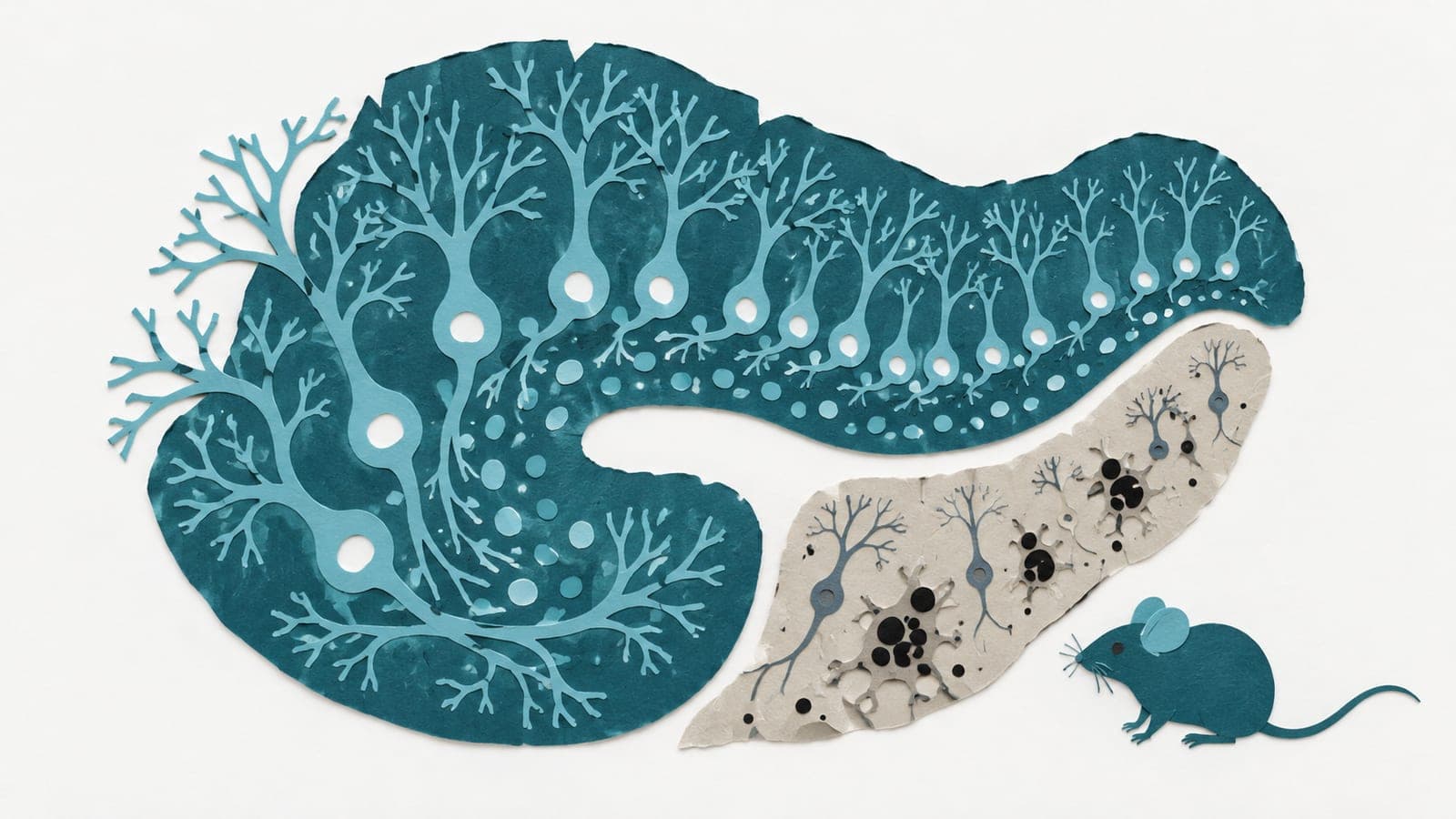
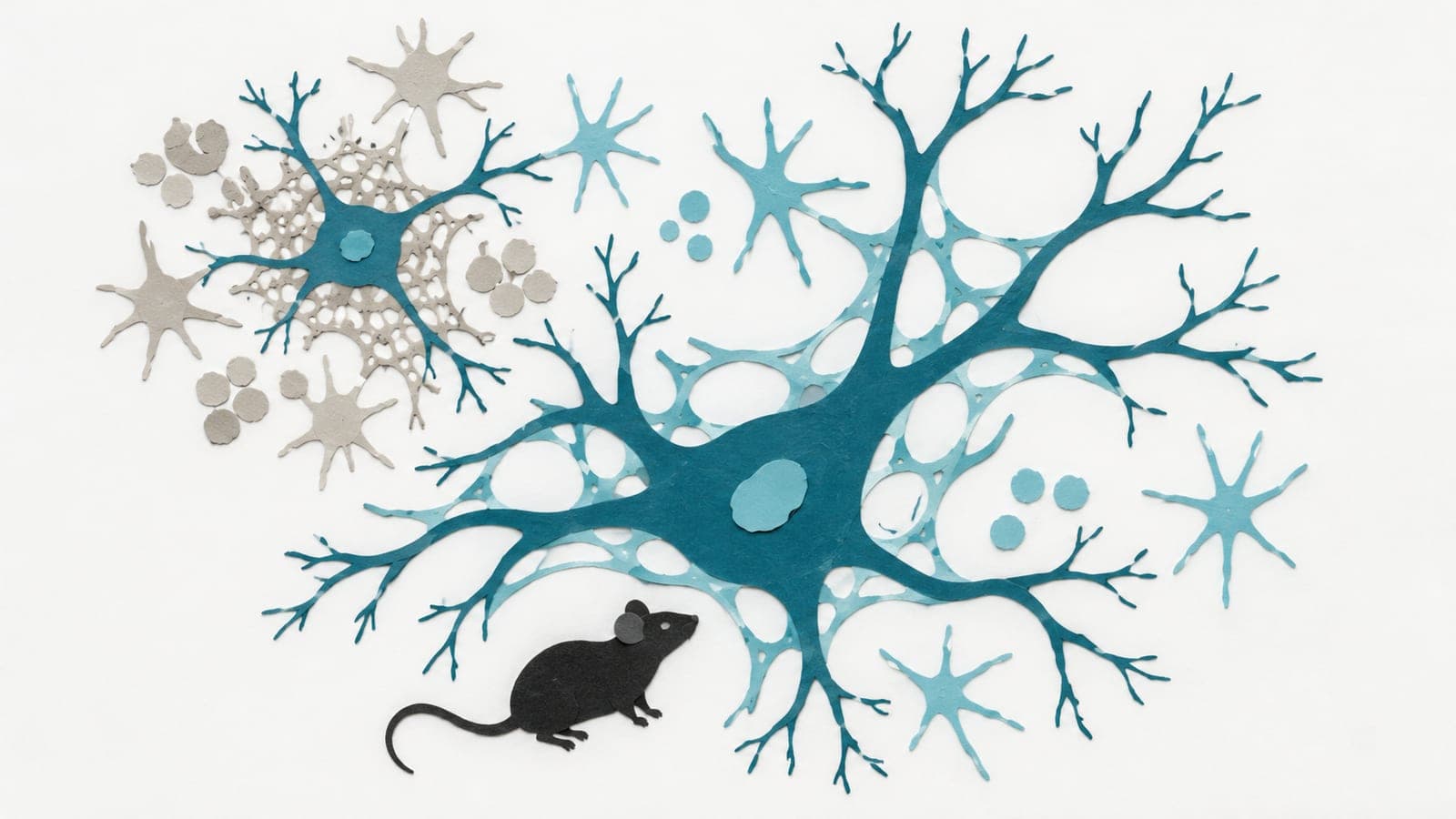
Abstract Age-related decline occurs in most brain structures and sensory systems. An illustrative case is olfaction, where the olfactory bulb (OB) undergoes deterioration with age, resulting in reduced olfactory ability. Decline in olfaction is also associated with early symptoms of neurodegenerative diseases including Alzheimer’s disease (AD) and Parkinson’s disease (PD). However, the underlying reasons are unclear. The microphthalmia-associated transcription factor (MITF) is expressed in the projection neurons (PNs) of the OB – the mitral and tufted (M/T) cells. Primary M/T cells from Mitf mutant mice show hyperactivity, potentially attributed to reduced expression of a key potassium channel subunit, Kcnd3 /Kv4.3. This influences intrinsic plasticity, an essential mechanism involving the non-synaptic regulation of neuronal activity. As neuronal hyperactivity often precedes neurodegenerative conditions, the current study aimed to determine whether the absence of Mitf has degenerative effects during aging. Aged Mitf mutant mice showed reduced olfactory ability without inflammation. However, an increase in the expression of potassium channel subunit genes in the OB suggests that during aging compensatory mechanisms lead to stabilization. Significance statement This study highlights the age-related decline in olfaction and elucidates compensatory mechanisms mediated by potassium channels. These findings improve our comprehension of the processes underlying age-related changes in olfaction.
The paper
University of Iceland
bioRxiv, 28 Jun 2024, Open access, CC BY, Preprint, not peer-reviewed