Artificial intelligence predicted osteoporosis from chest X-rays
In simulations, prescreening could reduce bone-density scans by about 50% while retaining detection of 98–99% of osteoporosis cases.
122,535 participants, cross-sectional study, independent replication
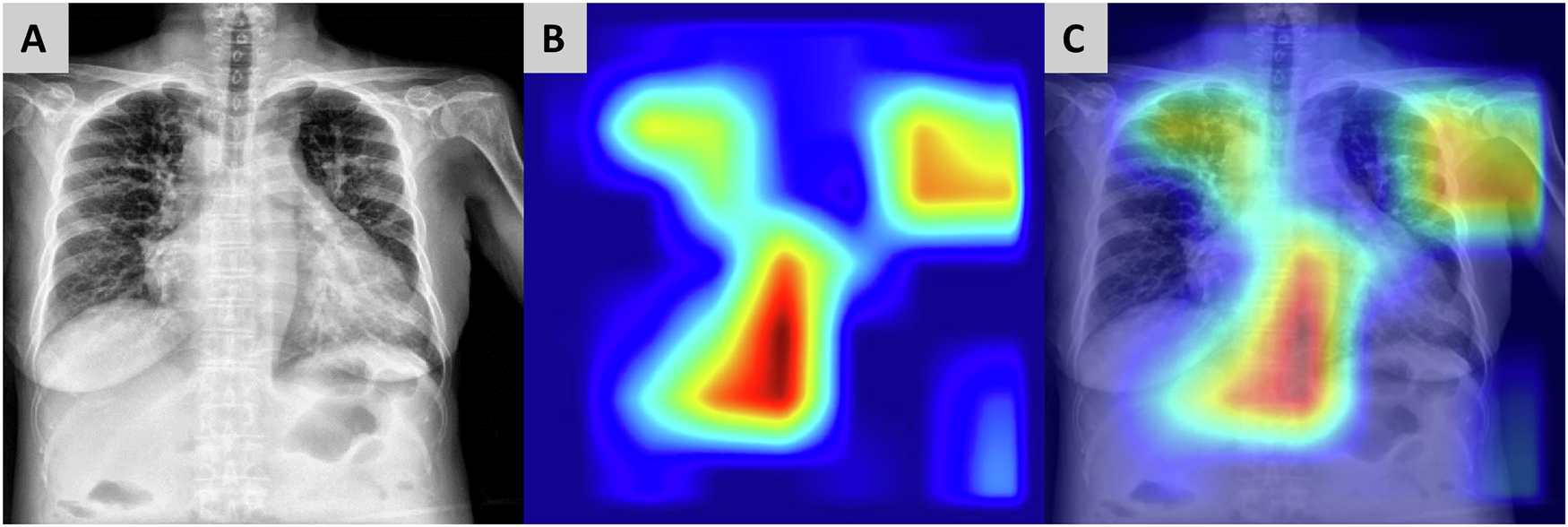
In a computational study, researchers developed an artificial intelligence model using paired chest X-rays and bone-density scans from 26,757 patients at a tertiary referral hospital. They used 46,478 paired examinations collected between 2016 and 2022. The model predicted osteoporosis, a condition that weakens bones, and reduced bone mineral density—the amount of minerals in bone.
They tested the model in three independent cohorts: 6,391 people in a hospital cohort and 24,132 and 122,535 in two health-check cohorts. A standard measure of how well it distinguished osteoporosis cases from non-cases gave scores of 0.88, 0.93 and 0.92, respectively. Simulations suggested prescreening could also retain detection of 80–90% of reduced bone-density cases while reducing scan use.
Why it matters
Osteoporosis is an age-related condition that weakens bones. The study addresses whether chest X-rays may help identify who needs dedicated bone-density testing.
Caveats
The estimated reduction in scan use came from simulations, not observed changes in clinical care. Predictive performance alone does not establish whether prescreening improves health outcomes.
- Ai-osrm-based prescreening
- Deep learning
- Osteoporosis
- Reduced bone mineral density
- Bone mineral density
- Humans
The paper
Artificial intelligence for opportunistic osteoporosis screening on chest radiographs
Seoul National University
NPJ Digital Medicine, 9 Oct 2026, Open access, CC BY-NC-ND

