Persistently high kidney filtration linked to greater death risk
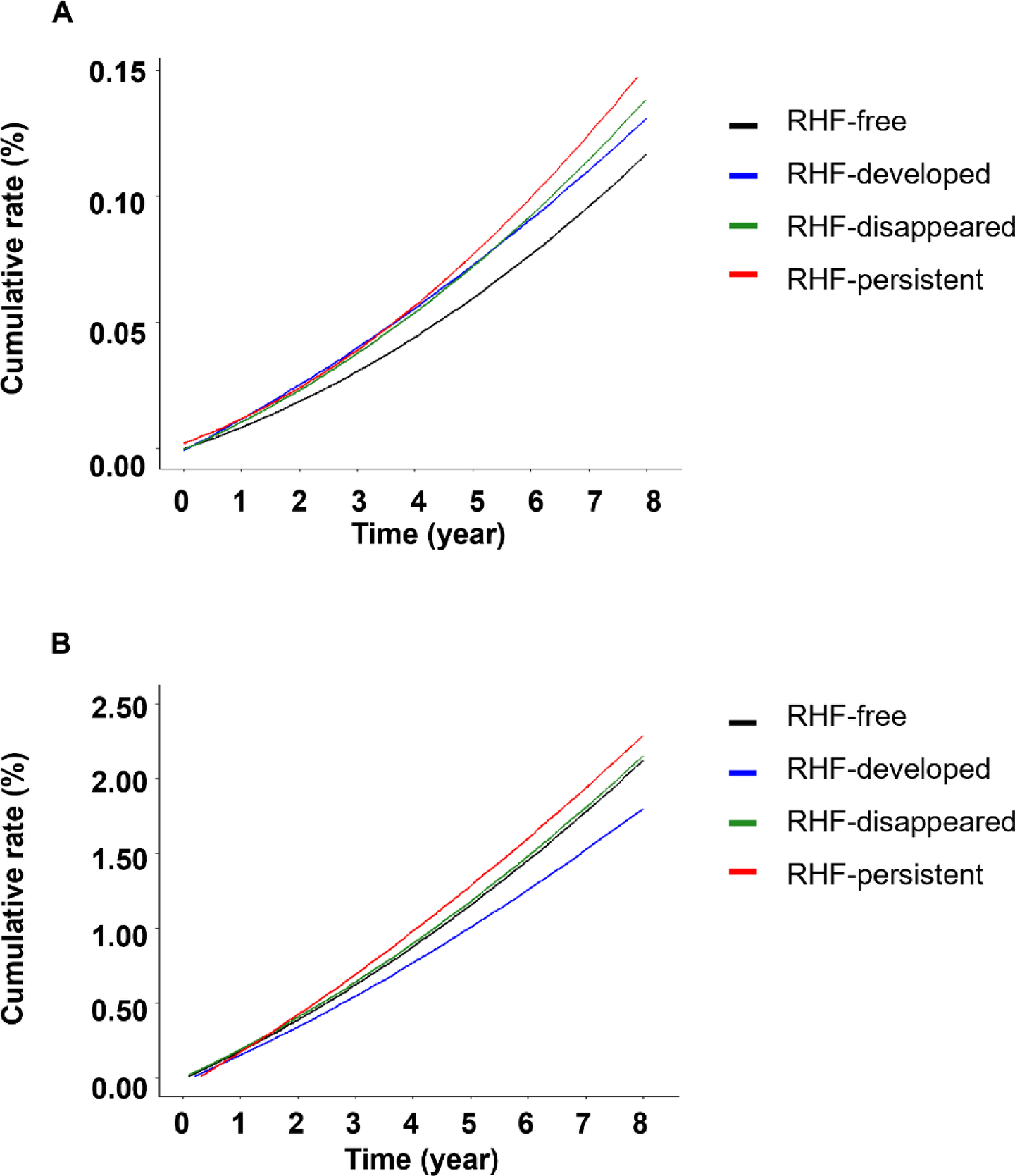
People with persistently high kidney filtration had adjusted hazard ratios of 1.61 for death and 1.39 for heart and blood vessel events versus people without high filtration.
Limit: Estimated rather than directly measured kidney filtration could misclassify high-filtration groups
Edited by Boris Djordjevic · AgingResearch.News
A nationwide observational cohort study included 1,022,062 people of Korean ethnicity who underwent consecutive health screenings between 2012 and 2015. Researchers estimated how quickly participants’ kidneys filtered blood. They grouped participants by whether unusually high filtration was absent, developed, disappeared or persisted between screenings.
Persistent high filtration was associated with the highest risks of death and heart and blood vessel events. The hazard ratios are relative measures of risk during follow-up, not absolute event probabilities. Compared with people without high filtration, death risk was higher in every group that had high filtration at either screening. Heart and blood vessel event risk was higher only when high filtration disappeared or persisted. When high filtration disappeared, its association with cardiovascular risk was particularly apparent after longer exposure to high filtration.
Why it matters
Tracking kidney filtration over time may help refine cardiovascular risk assessment, which is relevant to maintaining health as people age.
Caveats
The observational design cannot establish that high filtration caused these outcomes. Participants were of Korean ethnicity, so the findings may not extend to other populations.