Blood protein links to heart attacks vary with kidney function
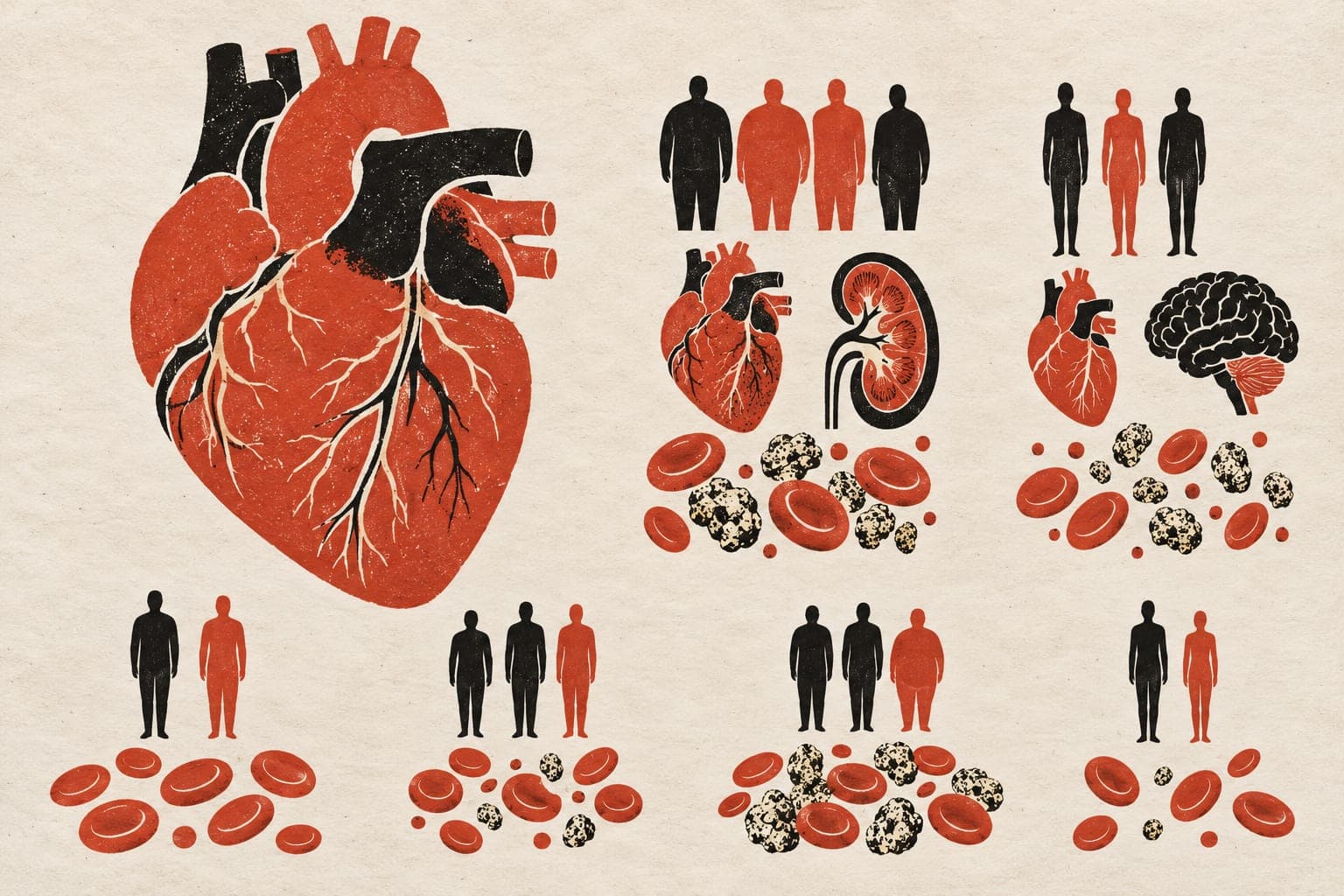
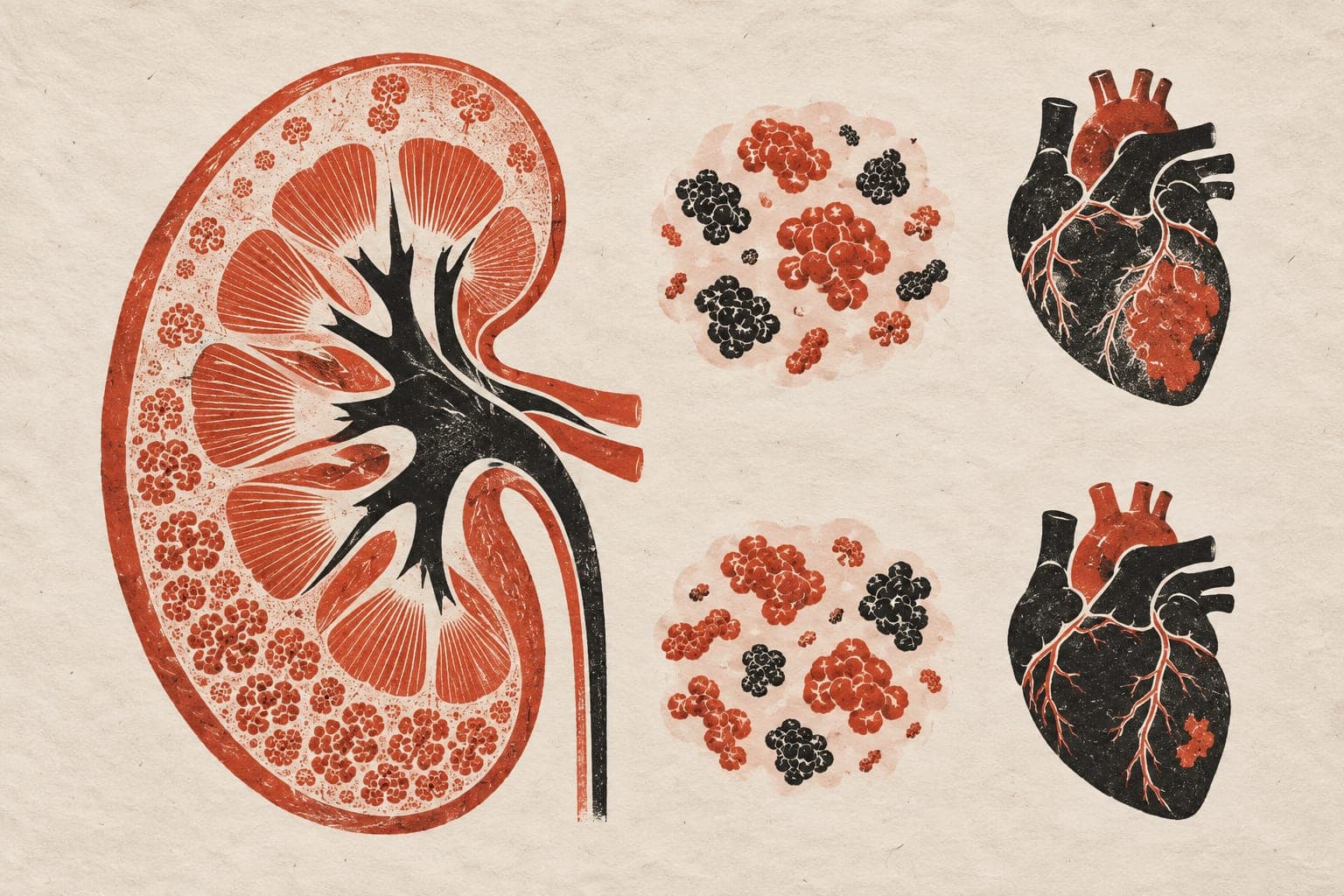
Links to heart attacks were stronger at lower kidney function for 154 blood proteins and at higher function for 22.
Kidney Research and Clinical Practice
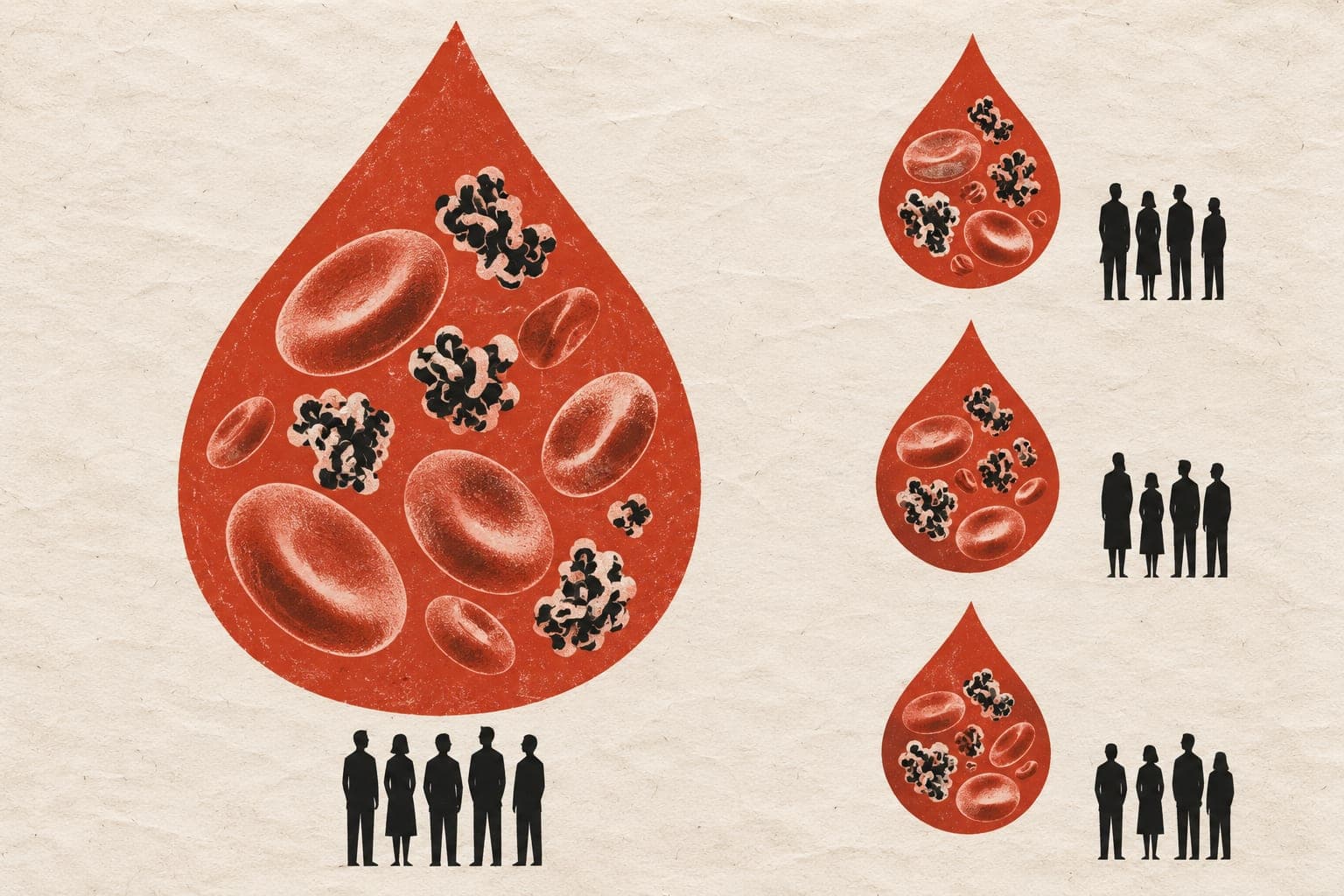
An observational study of 33,446 UK Biobank participants examined links between blood proteins and later heart attacks over a median of 13.9 years. Researchers analysed 2,923 proteins in plasma, the liquid part of blood. The full cohort had 1,848 heart attacks during follow-up. The fully adjusted analysis used 29,417 participants with complete data, among whom 1,584 heart attacks occurred.
After accounting for other measured factors, the researchers linked 975 proteins to heart attack risk. For 176 of these, the associations varied with estimated kidney filtration, a measure of kidney function. Most links strengthened at lower filtration, while a smaller group strengthened at higher filtration. Adding blood proteins to clinical predictors modestly improved prediction of heart attacks over 10 years.
Why it matters
Heart attacks threaten health in later life. The study supports accounting for kidney function when interpreting blood-protein signals of heart attack risk.
Caveats
The observational design cannot establish cause and effect. The fully adjusted analysis excluded participants with incomplete data.
- Machine learning
- Immune response
- Acute myocardial infarction
- Incident acute myocardial infarction
- Estimated glomerular filtration rate
- Humans
The paper
Chungnam National University School of Medicine
Kidney Research and Clinical Practice · 6 Oct 2026