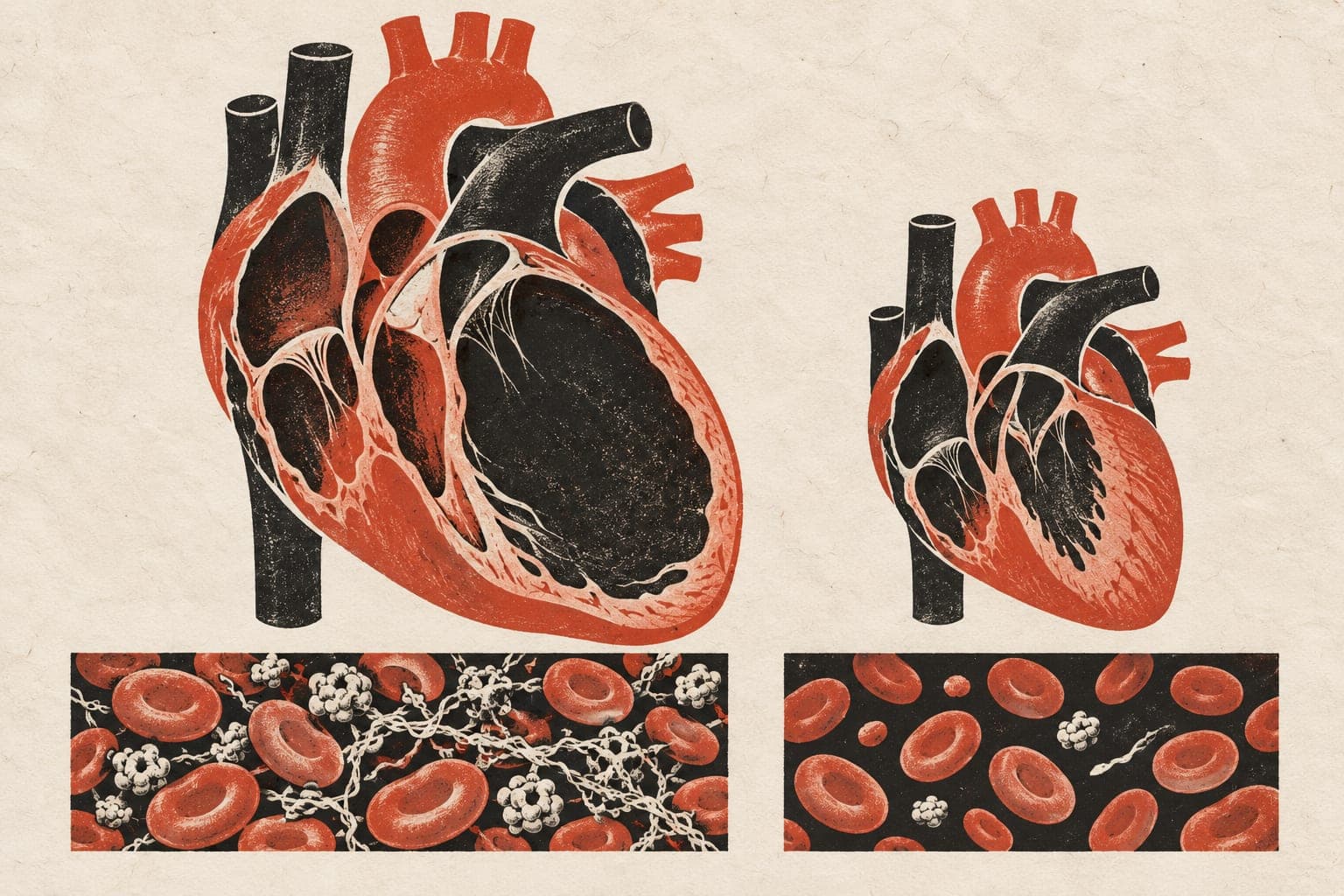
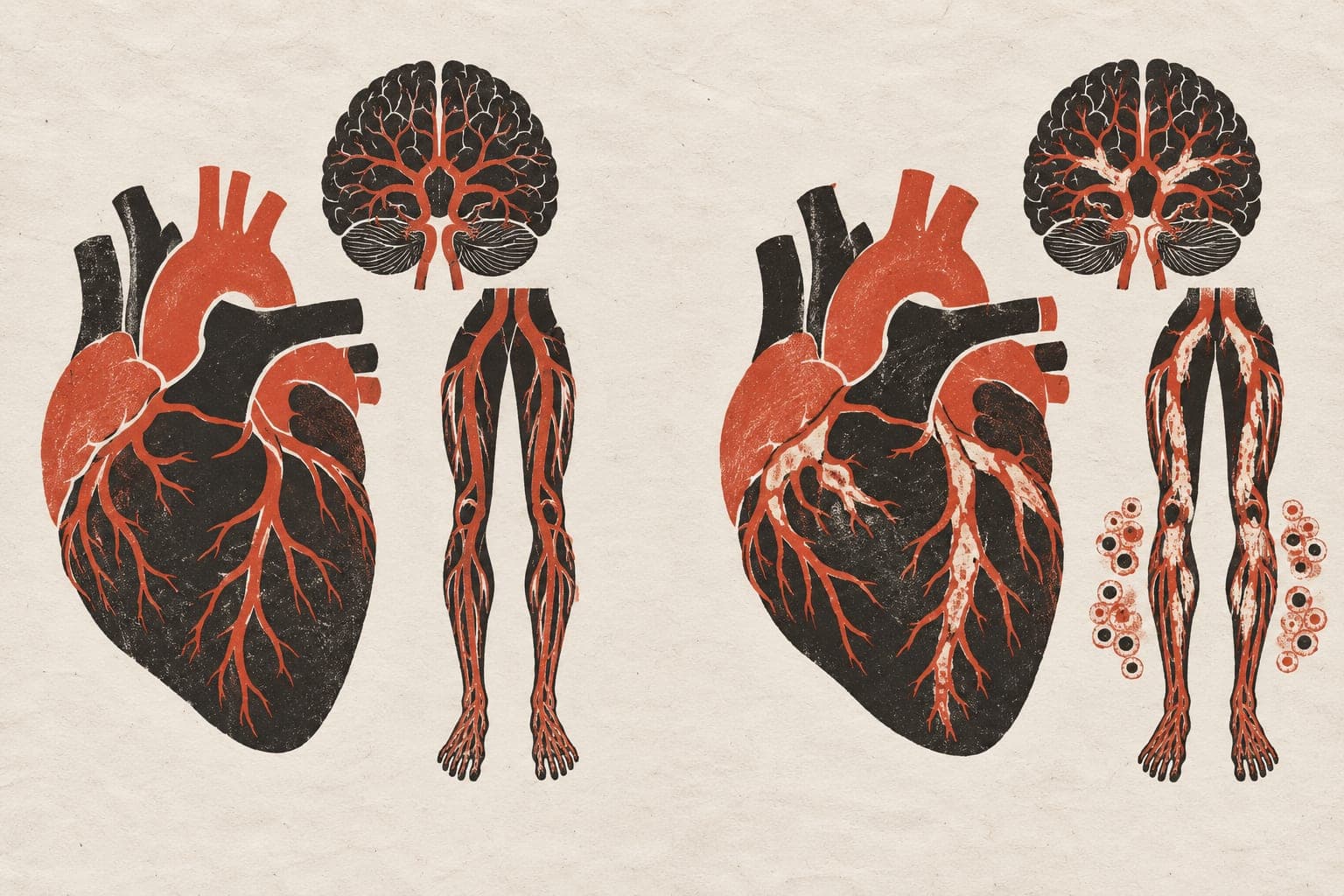
Blood inflammation patterns linked to different heart risks
An observational study of 17,334 White UK Biobank participants linked eight inflammation patterns to cardiovascular outcomes, with major patterns reproduced in 17,190 others.

In an observational study, researchers used blood protein measurements from White UK Biobank participants to examine links between inflammation and later cardiovascular disease. They defined eight distinct patterns using 736 inflammation-related proteins and applied the same definitions to a separate validation sample. They tested links with later disease in 17,334 participants without cardiovascular disease and checked them in 17,190 others.
One pattern was associated with all six cardiovascular outcomes, most strongly with heart failure, when the heart cannot pump blood effectively. Other patterns had different links: one mainly related to outcomes involving the heart’s blood supply, while another was associated with lower risks of several outcomes. Major patterns recurred in the validation group. Adding the eight patterns improved models’ ability to distinguish cardiovascular risk, even beyond three other inflammation measures.
Why it matters
For research on cardiovascular disease in aging, the framework offers a way to examine inflammation as several patterns rather than a single signal.
Caveats
This observational analysis cannot establish cause and effect, and the prospective analyses included only participants with complete data. Researchers developed and replicated the main findings in White UK Biobank participants.