Inhibiting nerve signaling reduced digit tip regrowth in mice
In mouse experiments, inhibiting a sensory nerve pathway reduced cell division and accelerated the shift toward bone-forming cells, leaving a shorter regrown tip.
Our read
Mechanisms- Studied:
- Experiments in mice
- In the record:
- One of 89 papers on NGF on record: 4 with results in people, 6 in animals.
Editor of record: Boris Djordjevic · AgingResearch.News
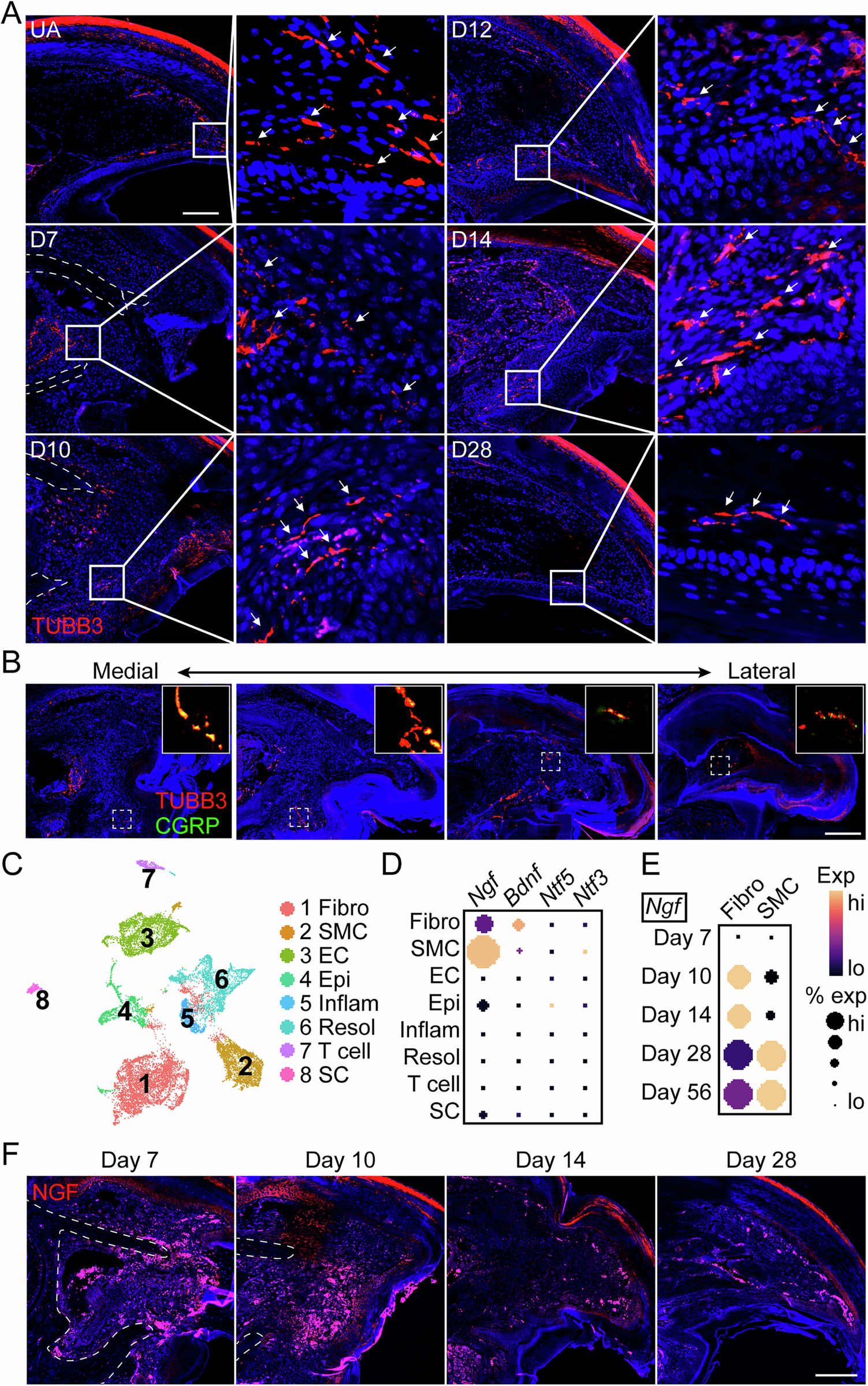
Mice regrowing digit tips were studied in experiments that selectively inhibited TrkA, a receptor that responds to nerve growth factor. Inhibiting this sensory nerve pathway reduced regeneration. Cells divided less and developed into bone-forming cells faster during the blastema phase, when a temporary mass of cells rebuilds the tip. The regrown tip was shorter.
Disrupting the pathway also triggered a compensatory increase in nerve growth factor within the blastema. This increase was associated with more merging of mitochondria, the cell’s energy-producing structures, and greater use of fat for energy. The researchers linked this nerve growth factor–associated shift in mitochondrial behavior to the faster development of bone-forming cells.
Why it matters
For aging research, the work points to a question about bone repair: whether targeting nerve growth factor’s regulation of cellular energy systems could enhance it.
Caveats
The experiments tested digit tip regeneration in mice, leaving open whether the same pathway coordinates bone repair in people.
Where the evidence stands
NTRK1
- 2 independent labs in 2 countries
- 6 trials, 2 with no results posted
- Funders: National Institute on Aging and 2 more
- 1 of 3 findings with company ties
- 6 of 6 trials sponsored by developers of drugs aimed at it
Cellular homeostasis
- 75 independent labs in 17 countries
- 1 finding against
- Funders: National Institutes of Health and others
- 11 of 85 findings with company ties
Comments
Be the first to comment.