A machine learning approach for a multidimensional analysis of functional phenotype allows for a better measurement of dementia and its severity
Abstract
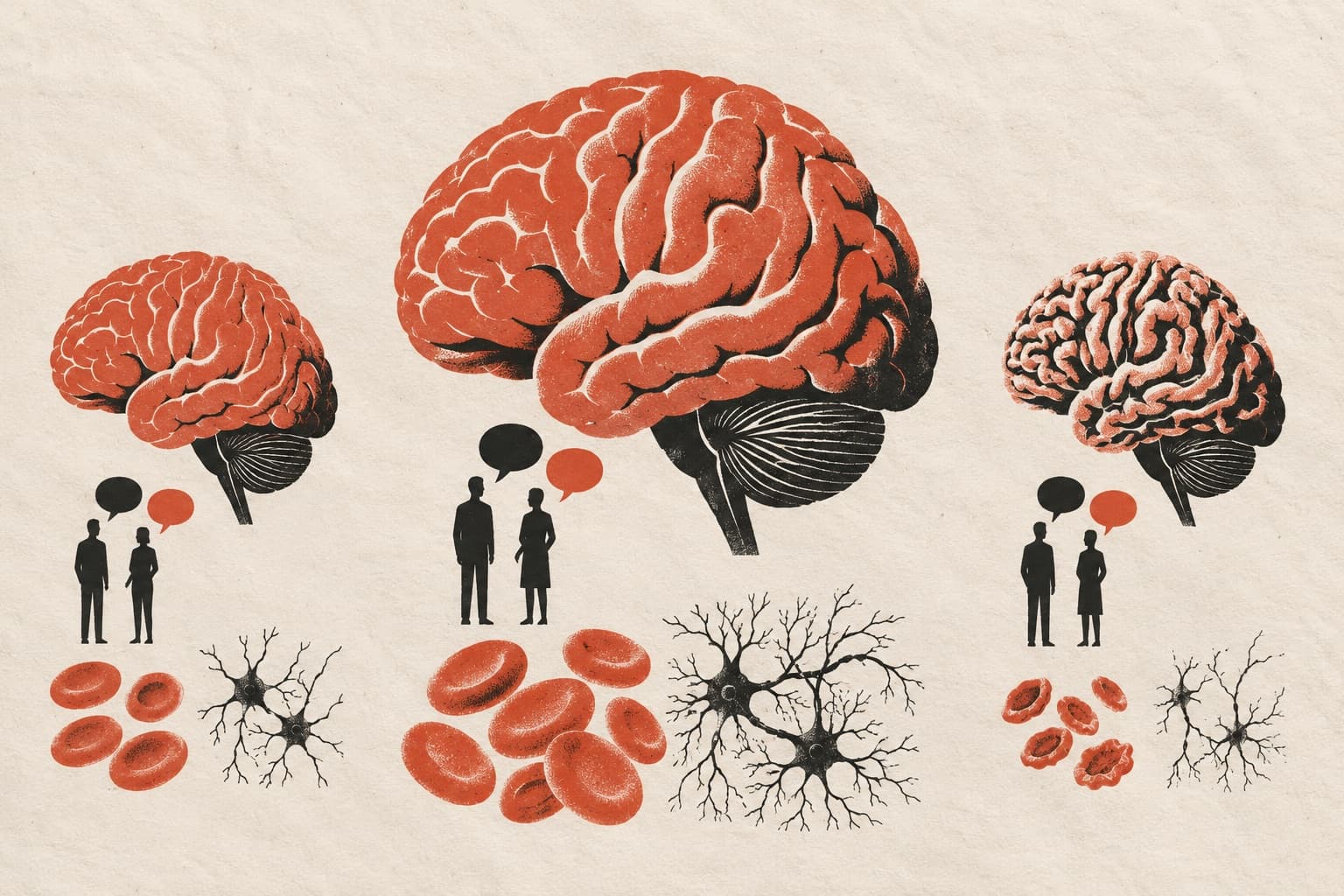
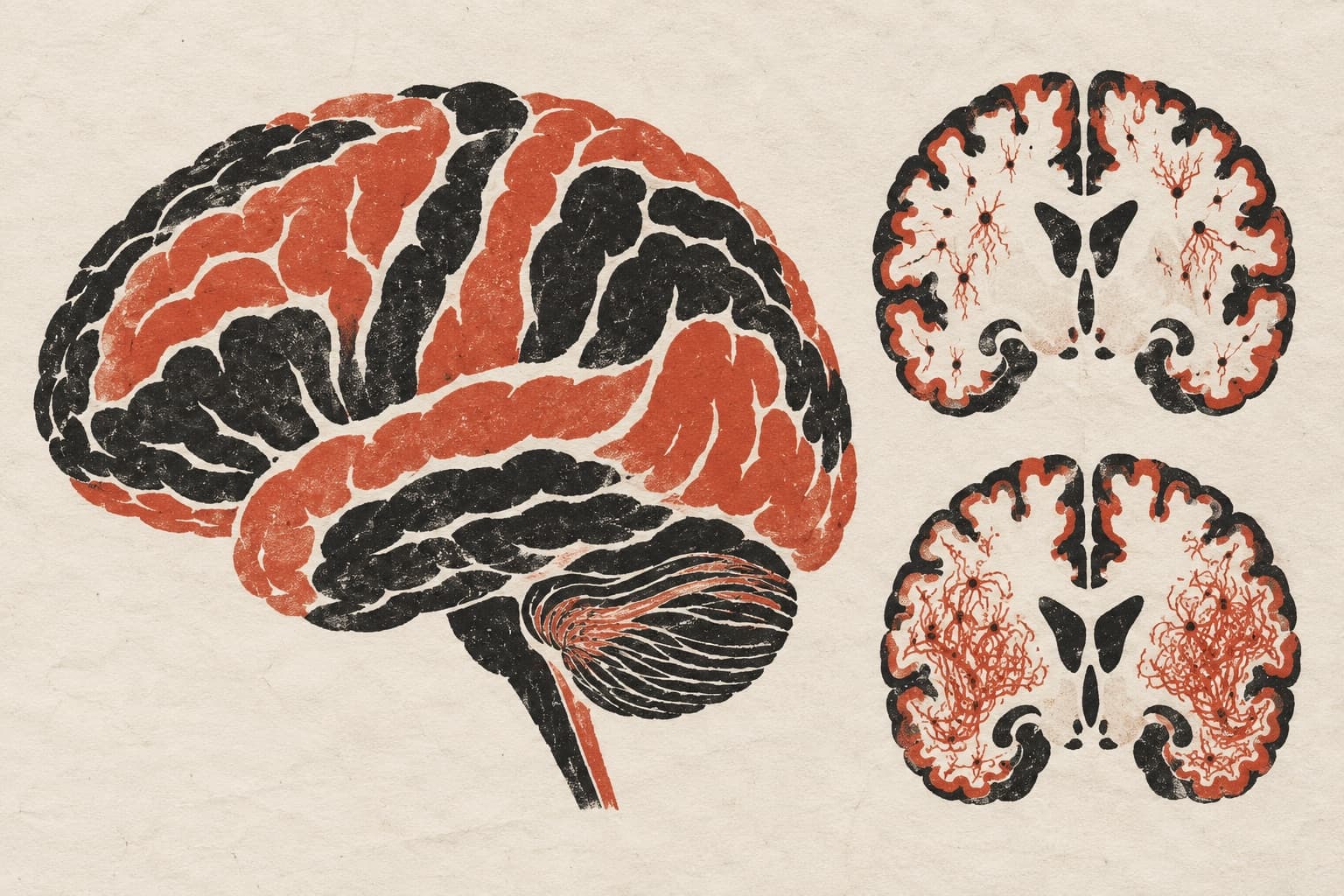
Background: Functional impairment (FI) is a key component in diagnosing and monitoring the severity of neurodegenerative dementia (ND). It manifests in several dimensions, such as everyday cognition, mobility, social functioning, and activities of daily living (ADLs). However, traditional assessments have primarily focused on ADLs, often neglecting the other dimensions of functional phenotype. This study aims to assess the utility of the Chilean multidimensional functional assessment (Ch‐MFA, see Figure 1), including ADLs, social behavior, mobility, and everyday cognition in differentiating Alzheimer's disease (AD) and frontotemporal dementia (FTD), and to predict their severity measured in the Clinical Dementia Rating (CDR). Method: 308 patients were recruited in Peru, comprising 209 controls, 44 FTD, and 55 AD. Functional assessments include ADL (T‐ADLQ, DAD‐E), social behavior Blessed Dementia Rating Scale (BDR), mobility (WHODAS), everyday cognition (ECog), and CDR for severity. Data was normalized for each assessment, and groups were stratified regarding age and educational level, obtaining 72 controls, 24 FTD, and 45 AD for the predictive analysis. Random Forest (RF) models were trained using 70% of the data, while 30% was reserved for testing the prediction. Cross‐validation (20‐fold) and feature selection were used to reduce overfitting and identify a simpler set of questions. Result: The Ch‐MFA indicates a 0.81 ± 0.03 average f1‐score when differentiating the group (control, FTD, and AD), which is 0.12 ± 0.10 better than the best‐performing unidimensional assessment (T‐ADLQ) with only 14 questions (4 T‐ADLQ, 2 BDR, 4 ECog and 3 WHODAS). As for the severity, Ch‐MFA shows a 0.65 ± 0.17 average f1‐score when differentiating severities of 0.5, 1, and 2, increasing to 0.88 ± 0.06 when it's only between 1 and 2 with a total of 4 questions (2 T‐ADLQ, 2 ECog). See Figure 2. Conclusion: Our results show that the Ch‐MFA achieves better results than a unidimensional assessment. Interestingly, functional dimensions that distinguish types of dementia differed from those that predict their severity. Our results suggest that a multidimensional phenotype may better reflect the specificity of dementia subtypes.