Immune protein pattern linked to heart disease risk in older adults
An observational preprint used two independent groups of older adults to develop a 30-protein age signature associated with cardiovascular risk and mortality.

Independent replication
Limit: The abstract omits the signature’s predictive accuracy
Edited by Boris Djordjevic · AgingResearch.News
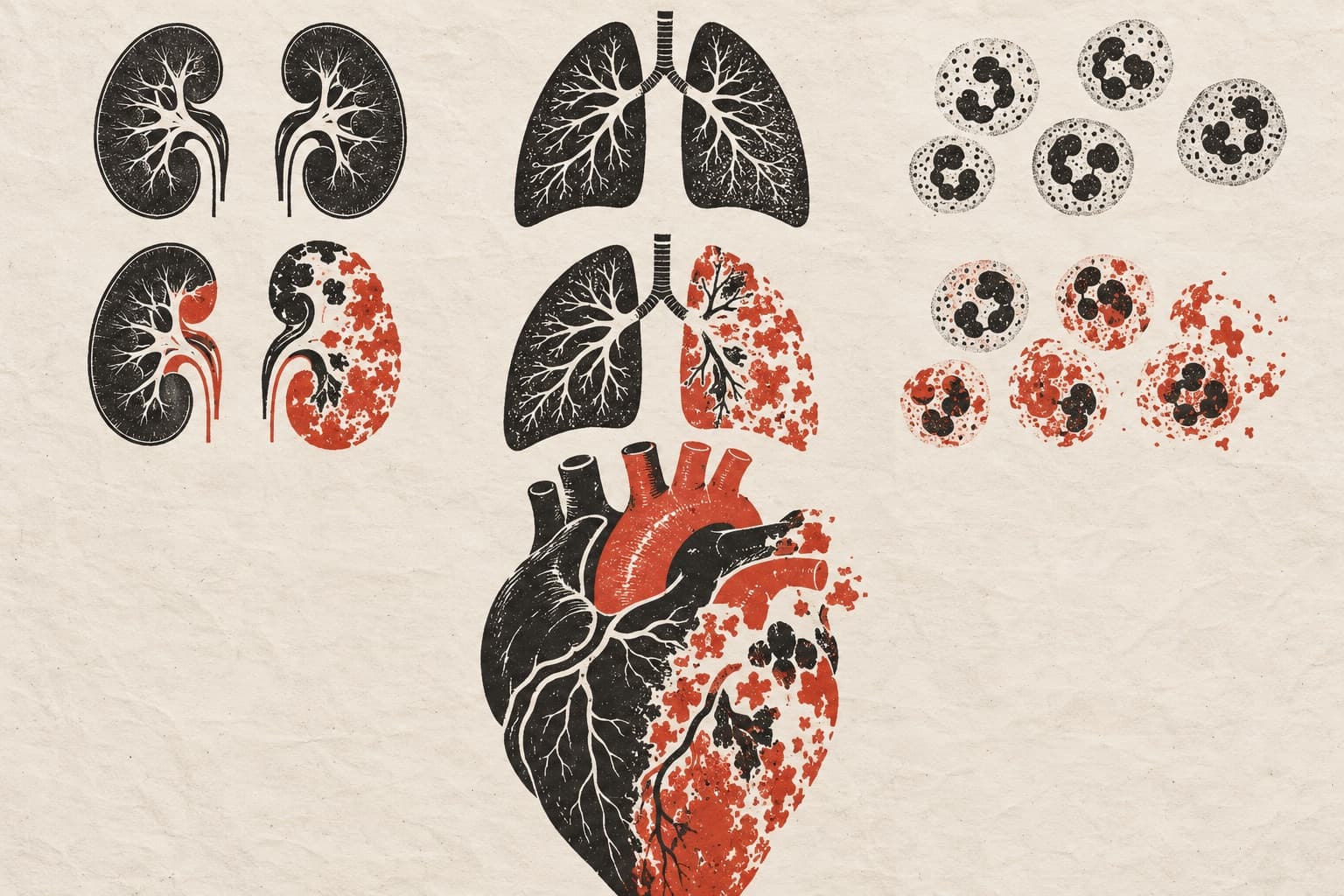
In two independent cohorts of older adults, researchers conducted an observational study of immune proteins in blood samples. They developed an age signature made up of 30 proteins.
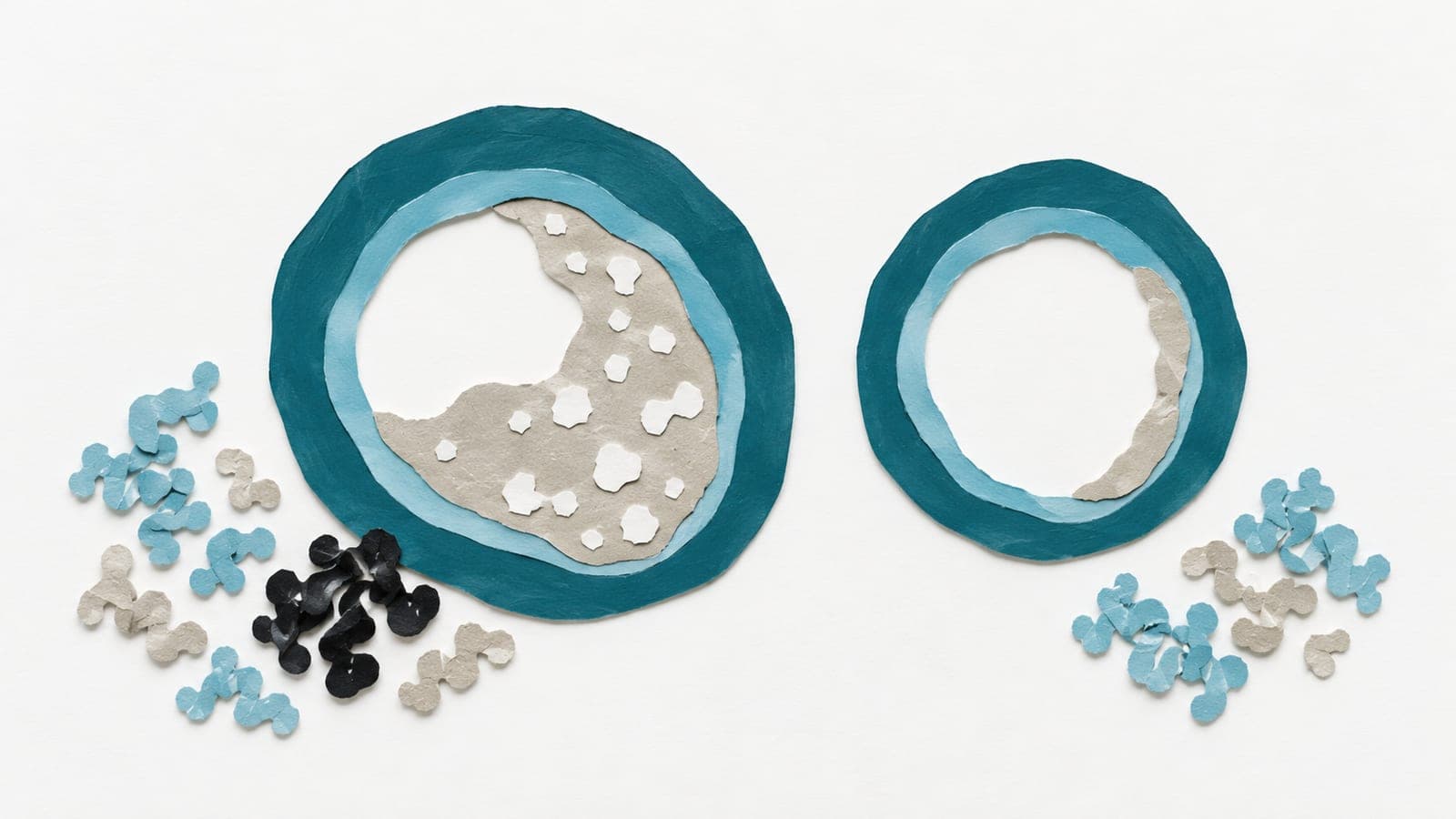
The signature was associated with cardiovascular risk and mortality. The disease risks included heart failure with preserved ejection fraction, in which the heart pumps out a normal proportion of the blood it holds, and atherosclerotic cardiovascular disease, which involves plaque buildup in arteries. The researchers also identified age-related immune proteins associated with resilience or susceptibility specific to these diseases. They suggested that these proteins might help predict or diagnose disease, or serve as possible targets for treatment.
Why it matters
Age is a major cardiovascular risk factor. Studying age-related immune proteins may help researchers investigate why older adults differ in susceptibility or resilience to cardiovascular disease.
Caveats
These observational associations do not establish cause and effect or show that targeting the proteins would improve health. The preprint has not been peer-reviewed, and the abstract does not report cohort sizes or the signature’s predictive accuracy.
- Proteomics
- Heart failure with preserved ejection fraction
- Atherosclerotic cardiovascular disease
- Cardiovascular disease
- iPACE
- Humans
The paper
Buck Artificial Intelligence Platform, the Buck Institute for Research on Aging, Novato, CA, USA; Stanford 1000 Immunomes Project, Stanford University School of
bioRxiv, Nov 2, 2026, Open access, CC BY, Preprint, not peer-reviewed

Comments
Be the first to comment.