Immune-cell enzyme is needed for scarless repair in animals
In animal experiments, disrupted remodeling of the material around cells impaired their response to injury and led to scarring.

Limit: The abstract omits sample size, preventing assessment of how many animals support the claim
Edited by Boris Djordjevic · AgingResearch.News
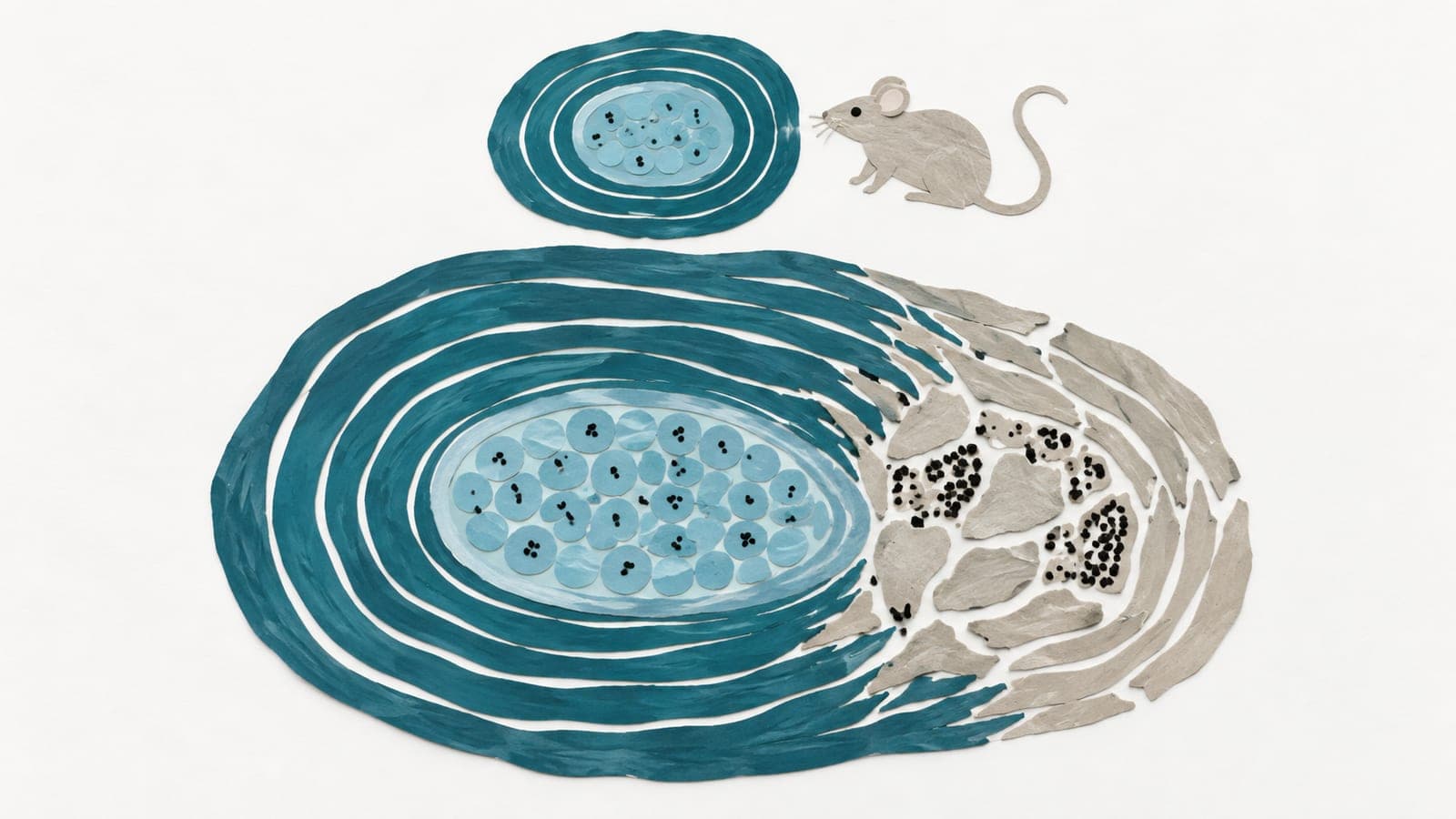
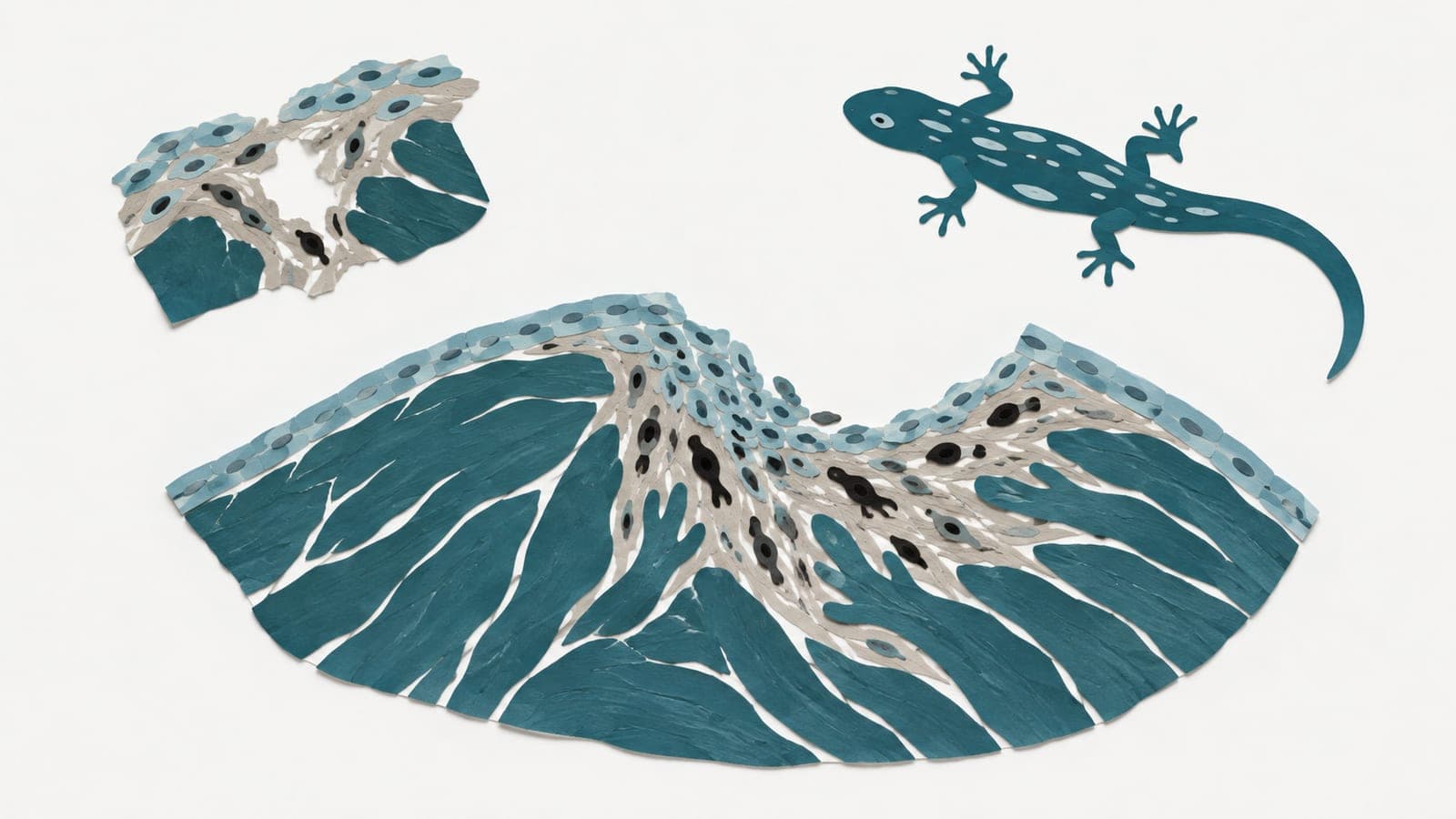
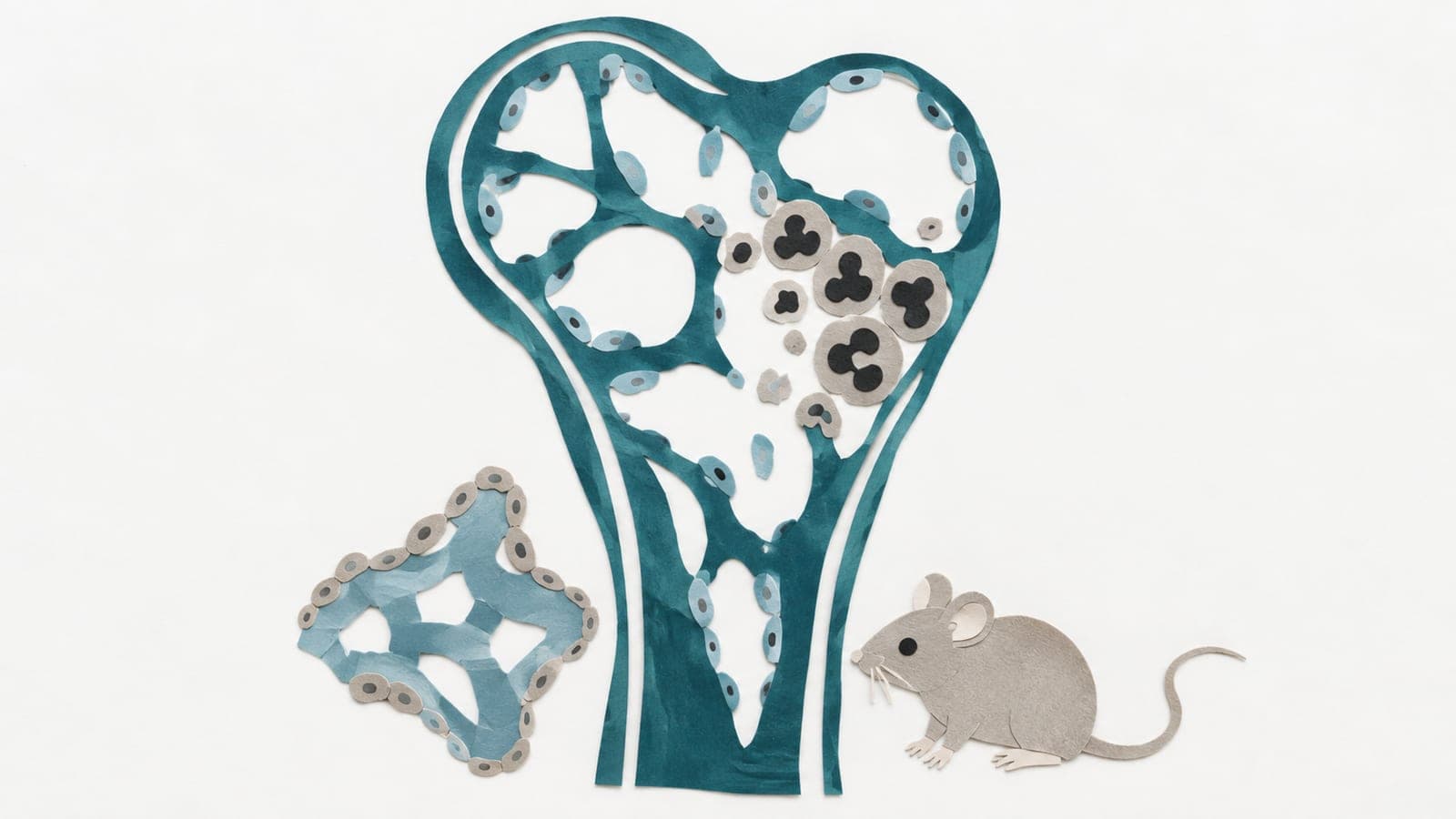
In animal experiments, researchers studied how legumain, a protein-cutting enzyme made by immune cells called macrophages, contributed to regeneration after injury. The work, reported in a preprint, examined how the enzyme controlled the extracellular matrix, the material surrounding and supporting cells. It also examined the processing of proteins involved in regeneration.
In animals with mutations affecting legumain, turnover of this surrounding material was impaired, including localized remodeling of fibronectin, a structural protein. This impaired the ability of ligament-resident fibroblasts, cells that maintain connective tissue, to return to a less specialized state. The disrupted remodeling led to scarring. The findings point to macrophage-derived enzymes as specialized tools for controlling protein composition and function during regeneration.
Why it matters
Scarless tissue repair raises a question for aging research: whether this protein-processing system also shapes repair as animals grow older.
Caveats
These animal experiments do not establish what happens in people; the abstract did not identify the species or sample size. The preprint has not been peer-reviewed.
The paper
Columbia University Irving Medical Center, Columbia University
bioRxiv, Oct 23, 2026, Open access, Preprint, not peer-reviewed