A human-like genetic change prevents artery disease in mice
Engineered male mice with a human-equivalent receptor gene showed human-like protein changes and were protected from atherosclerosis and abdominal aortic aneurysms.
Limit: The study was conducted only in male mice, omitting female animals
Edited by Boris Djordjevic · AgingResearch.News
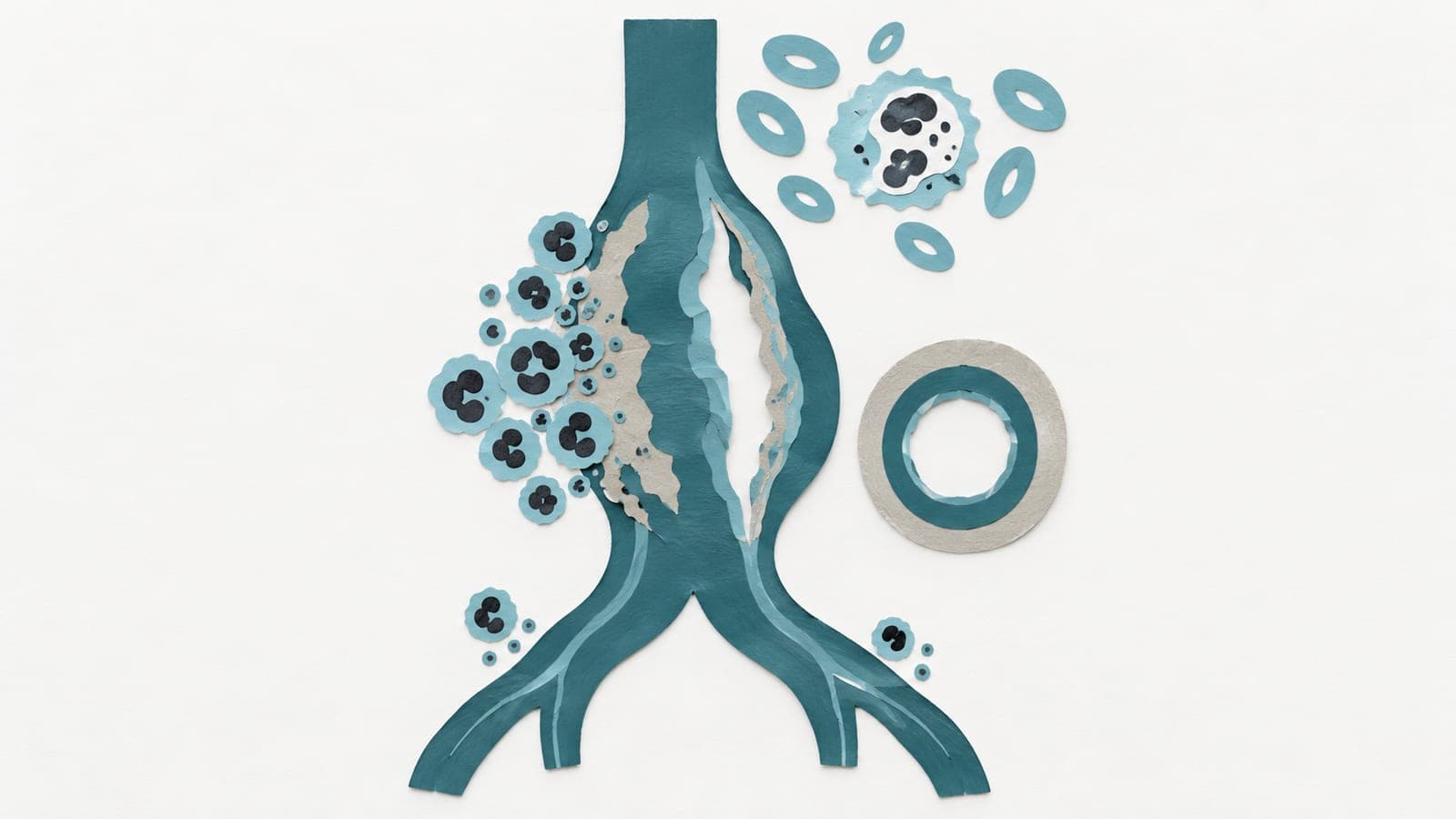
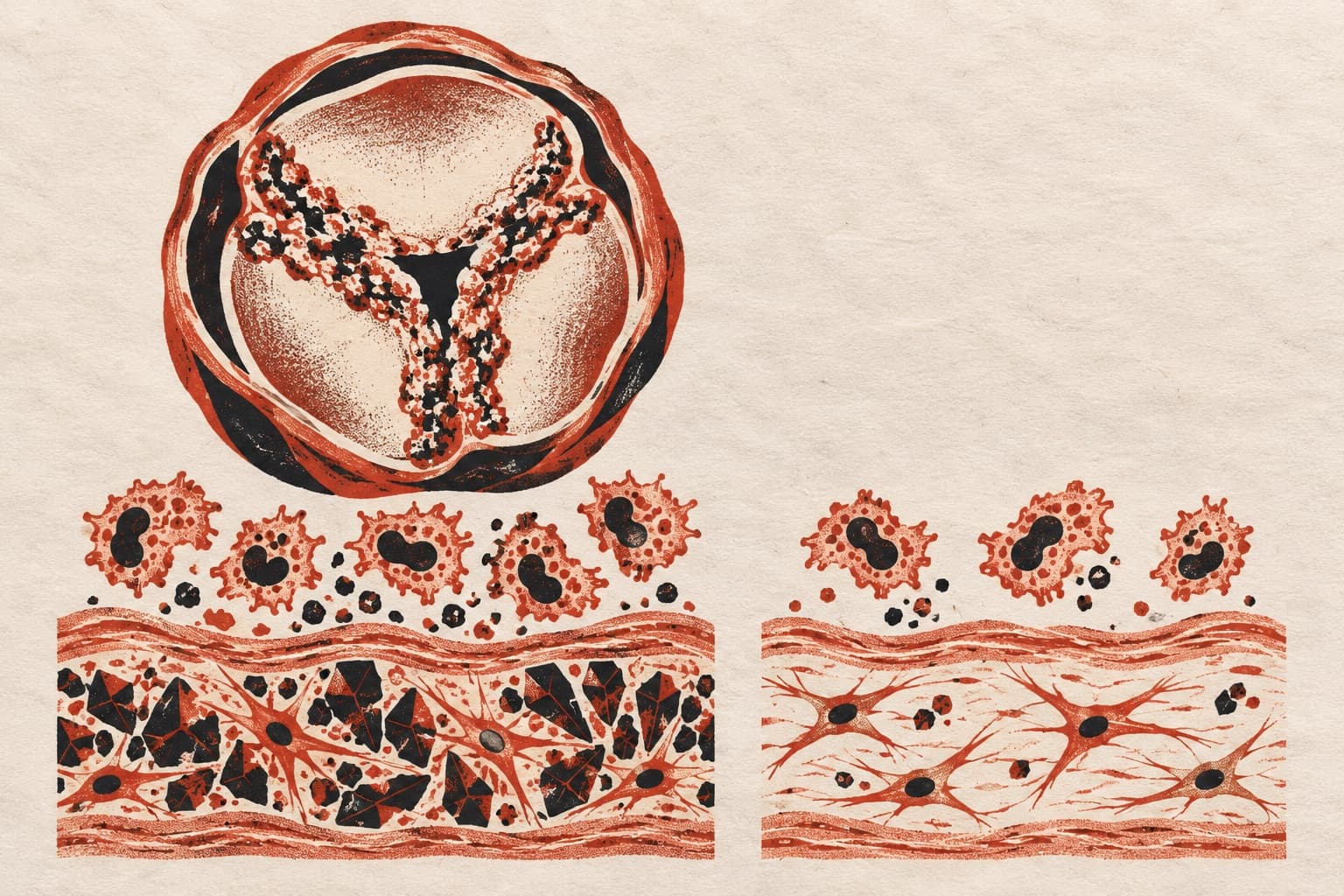
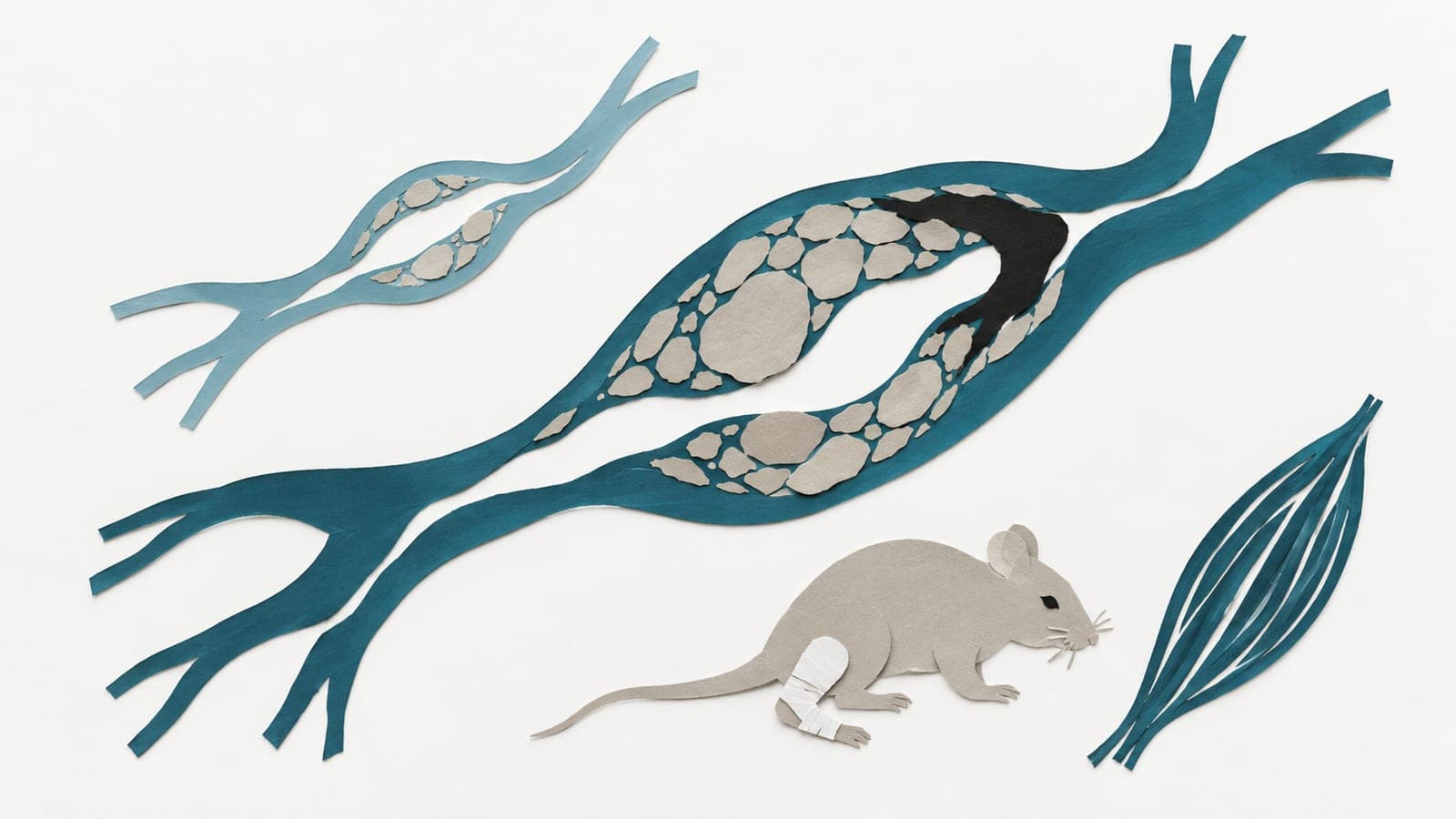
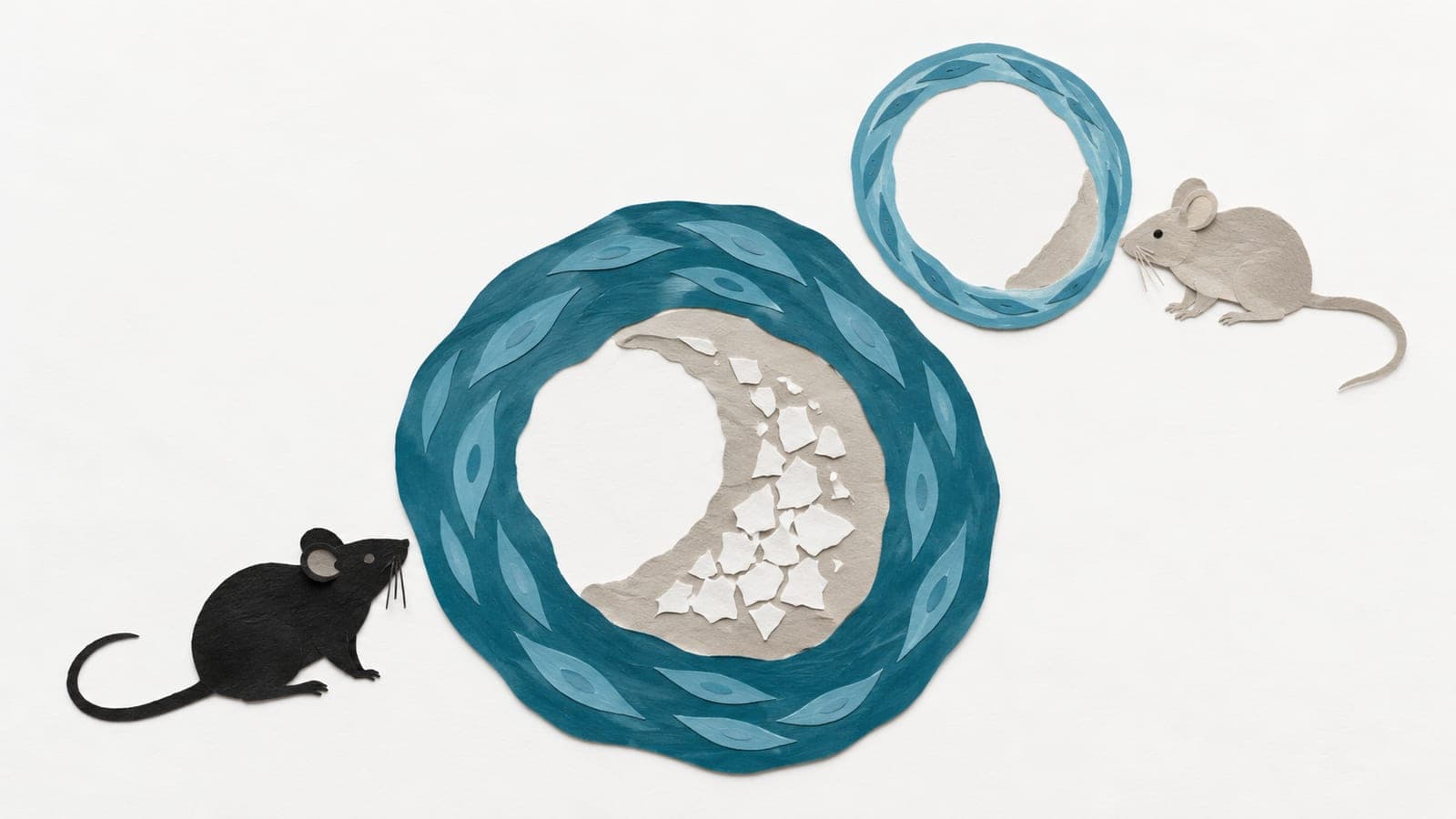
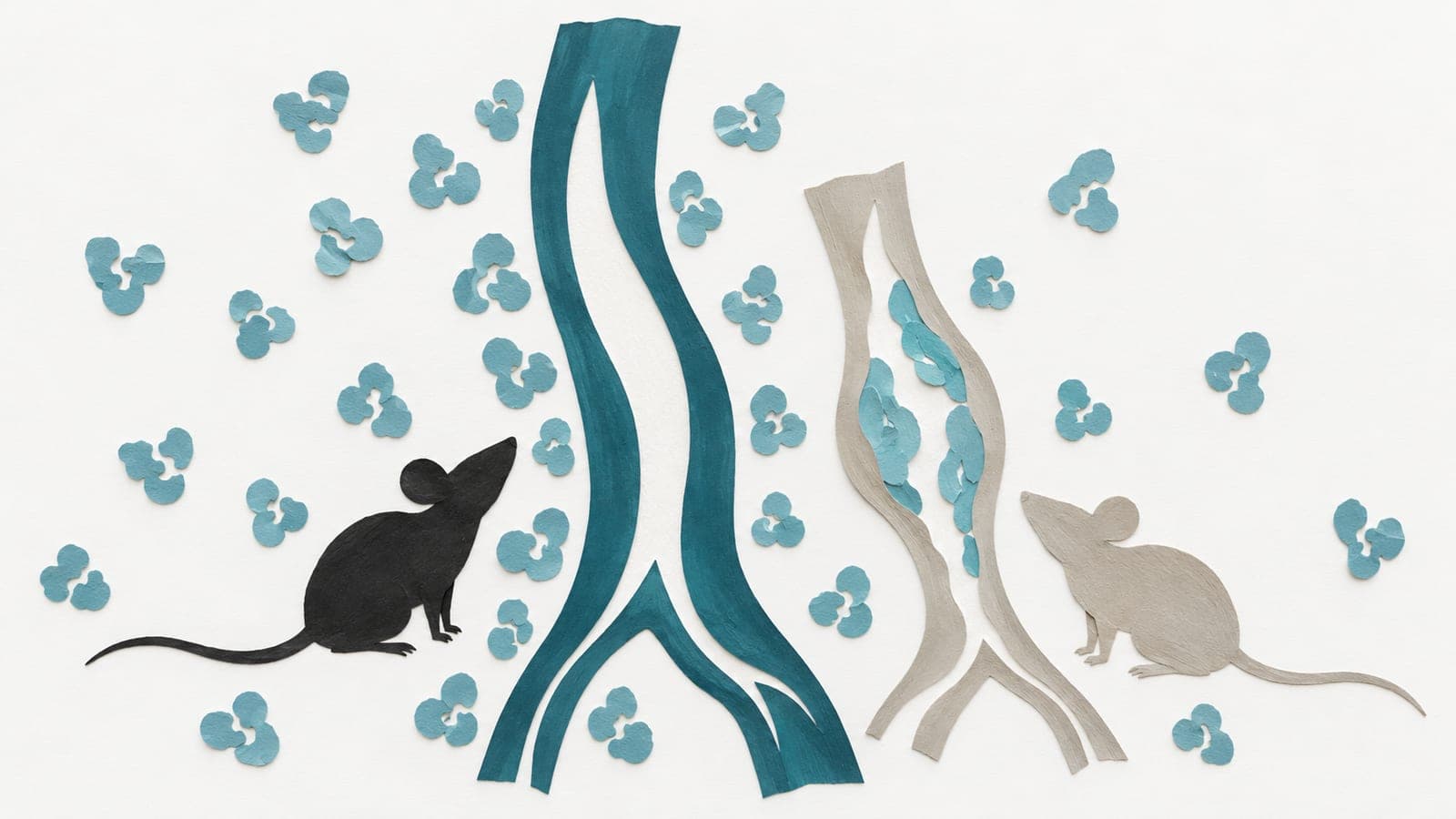
In an experiment in male mice, researchers tested whether mimicking a protective human genetic change could prevent cardiovascular disease. People carrying a specific variant in the gene for interleukin-6 receptor subunit alpha have a reduced risk of atherosclerotic cardiovascular disease and abdominal aortic aneurysm, a widening of the main artery. However, a recent report found that an antibody neutralizing interleukin-6 failed to reduce major cardiovascular events in patients with cardiovascular and kidney disease. To investigate, researchers introduced the equivalent genetic substitution into male mice. The change led to the same alteration in soluble receptor levels seen in humans and significantly prevented atherosclerosis and abdominal aortic aneurysm.
Why it matters
Cardiovascular diseases such as atherosclerosis and aortic aneurysms become much more common with age. The results suggest that therapies designed to reproduce the precise biological effects of this natural variant on immune signaling may be needed to lower cardiovascular risk.
Caveats
The study was conducted only in male mice, so whether the protection extends to female animals or to humans remains untested. Additionally, this work is a preprint and has not yet undergone peer review.
The paper
University of Cambridge
bioRxiv, Oct 21, 2026, Open access, CC BY, Preprint, not peer-reviewed