Protein segment supports cellular waste breakdown in worms
Genetic experiments also identified a role for the segment in heat resistance associated with the removal of worms’ reproductive cells.
Limit: Waste breakdown changed, but the health measures tested did not
Edited by Boris Djordjevic · AgingResearch.News
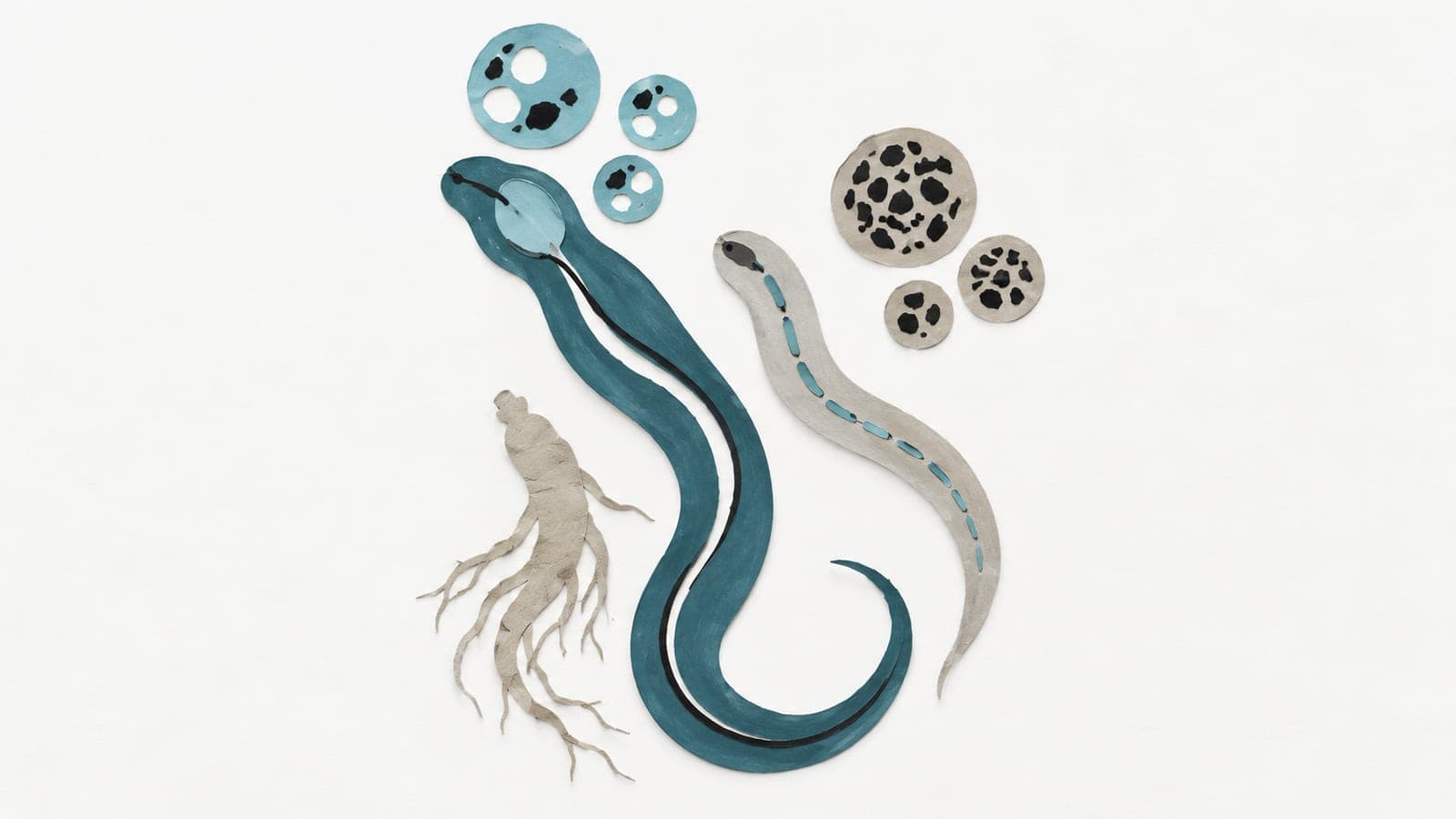
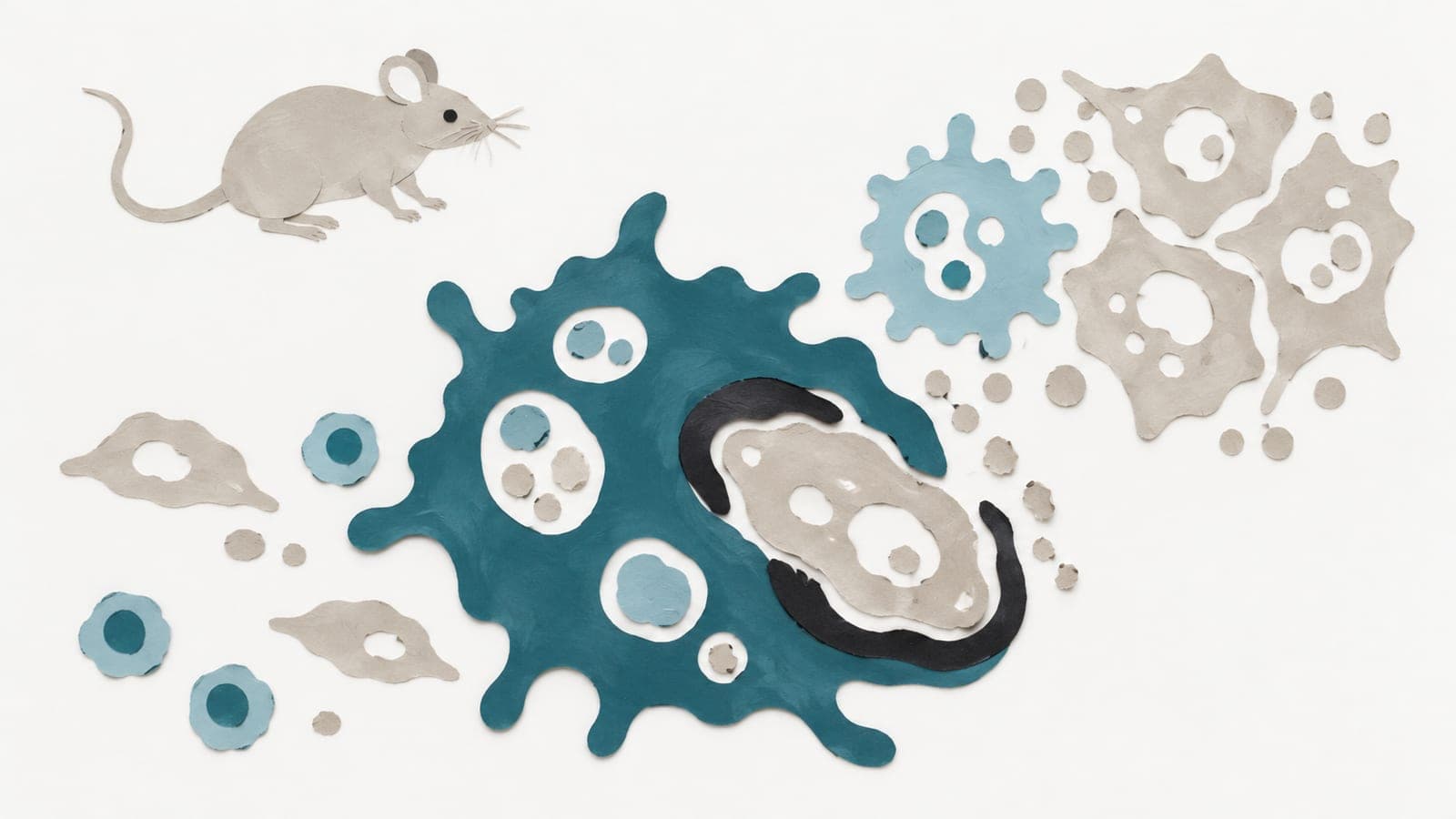
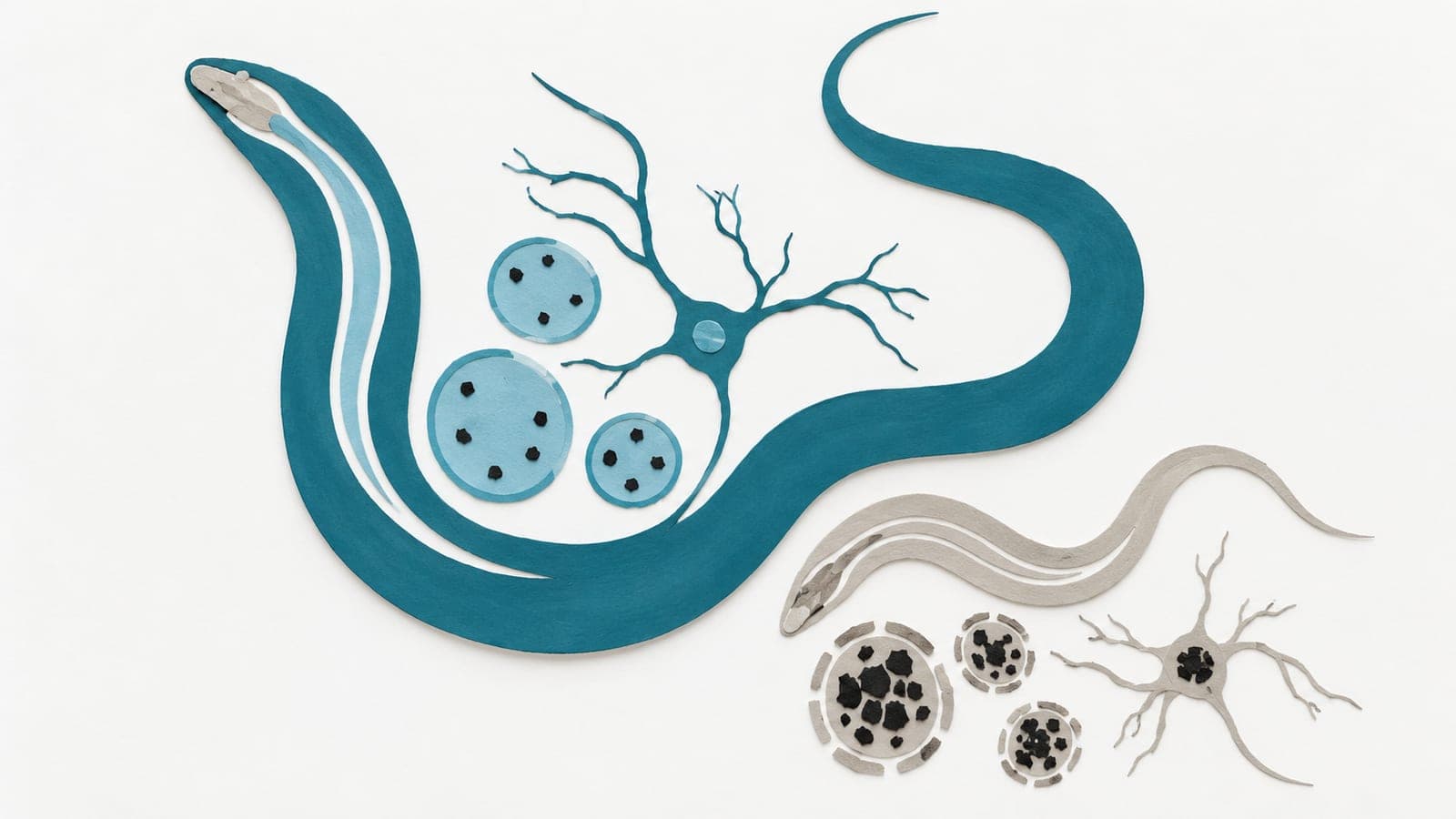
In C. elegans worms, researchers genetically deleted the WD40 domain, a segment of ATG-16.2, a protein involved in autophagy—the recycling of cellular material. They examined cellular recycling, health measures and longevity.
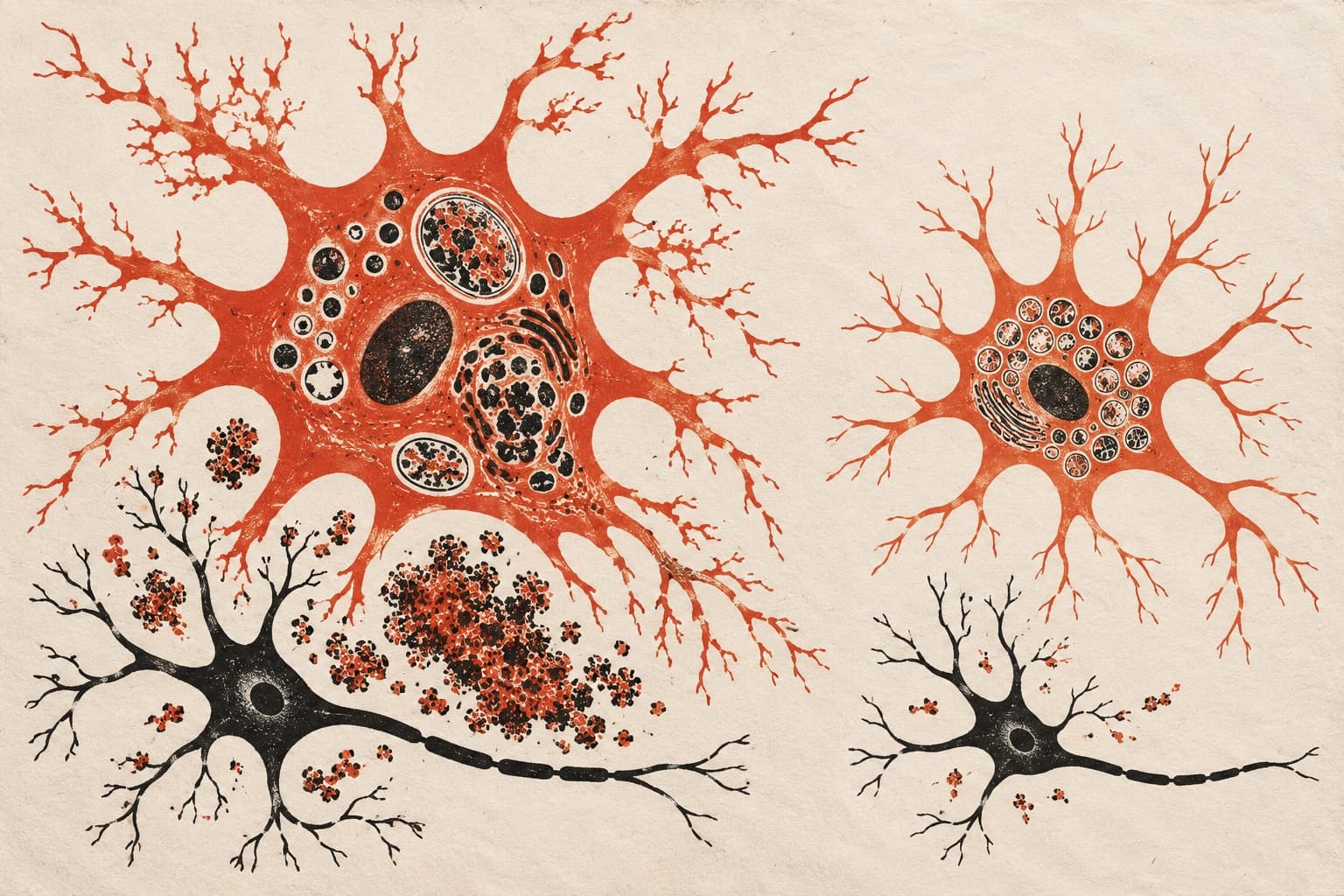
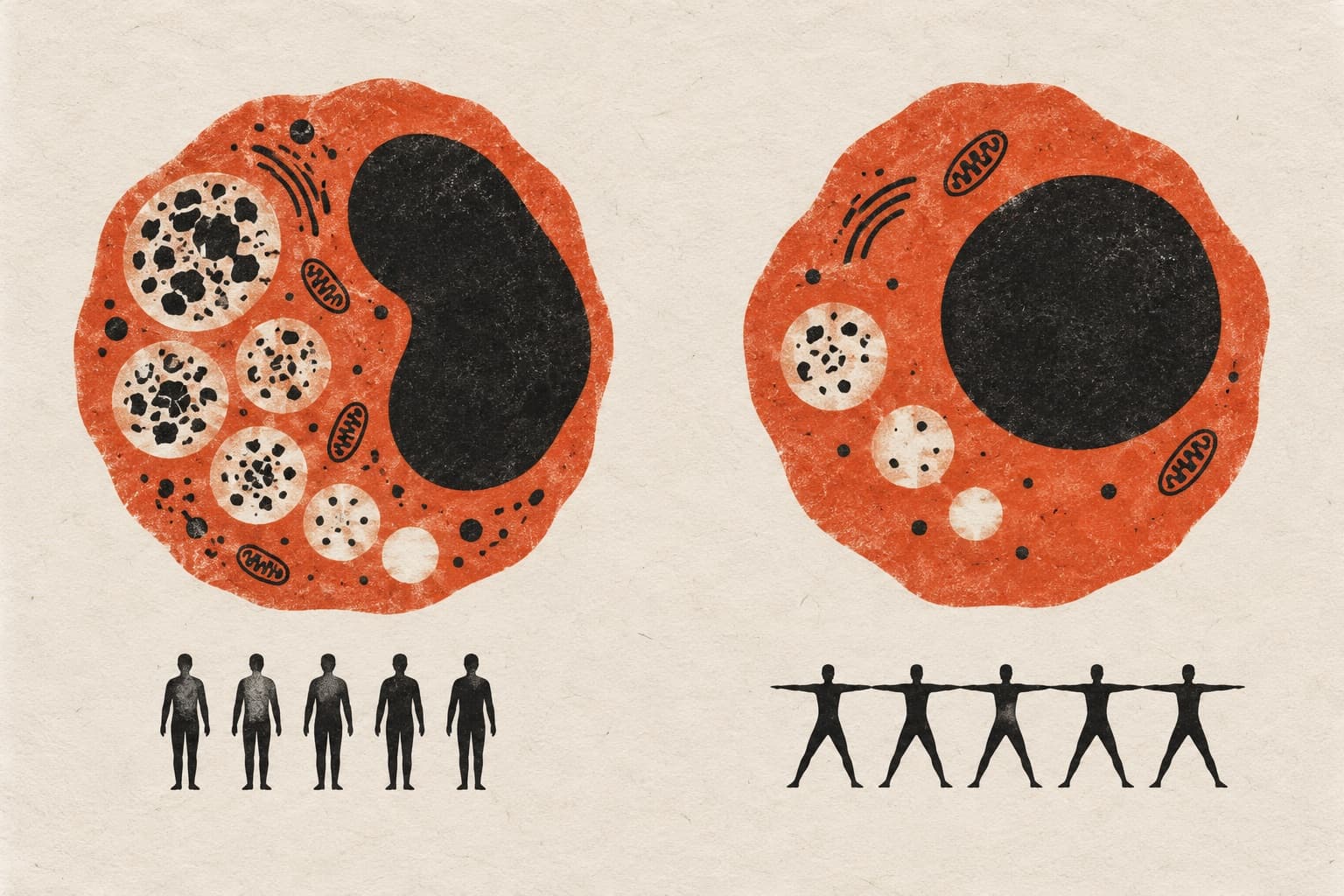
The segment was required for recycling-related breakdown across all major tissues examined, but not for the health measures tested. It also helped limit damage after acute heat stress to lysosomes, the cell compartments that break down waste. The segment was needed for heat resistance induced by removing reproductive cells, but not by reducing signaling through insulin and a related growth factor or by dietary restriction. In worms lacking reproductive cells, deleting the segment reduced recycling-related breakdown in nerve cells and altered lysosomal acidity.
Why it matters
Cellular recycling is linked to longevity. This work addresses whether different routes to longer life rely on the same recycling machinery.
Caveats
These genetic experiments tested worms, not people. The report is a preprint and has not been peer-reviewed.
The paper
Buck Institute for Research on Aging
bioRxiv, Oct 20, 2026, Open access, Preprint, not peer-reviewed