Protein templates can create apparent lifespan links in mammals
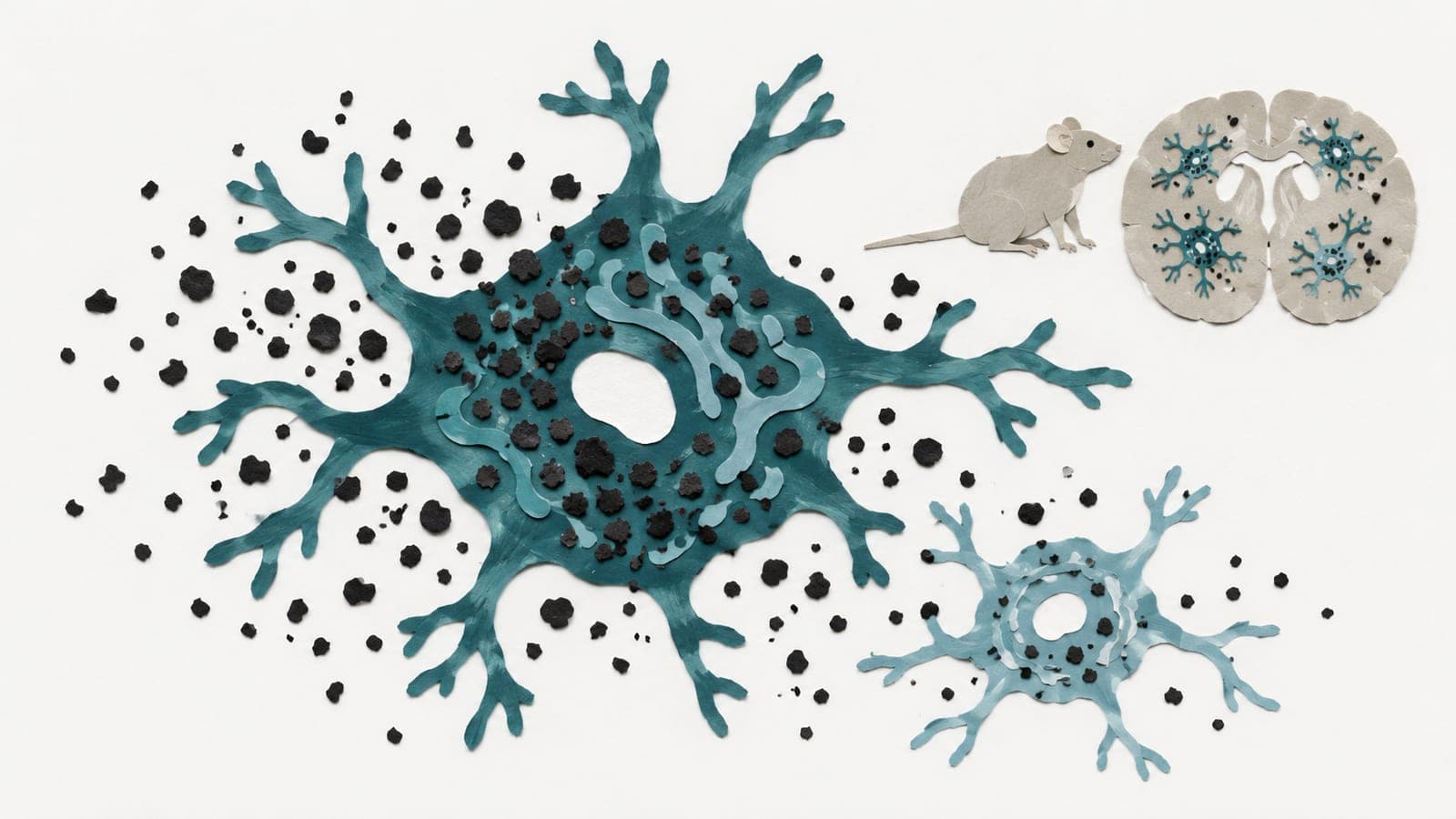
A computational analysis of 57 placental mammal species found that an apparent link between predicted protein stability and lifespan disappeared when researchers changed the structural template.

Limit: Protein stability in living animals was not measured
In a computational study, researchers analysed 57 placental mammal species and 40 reptile and amphibian species to test whether predicted protein stability was linked to lifespan. They reconstructed ancestral proteins and estimated how changes in proteins’ building blocks affected their ability to retain their folded shape. The calculations used predicted protein shapes as structural templates.
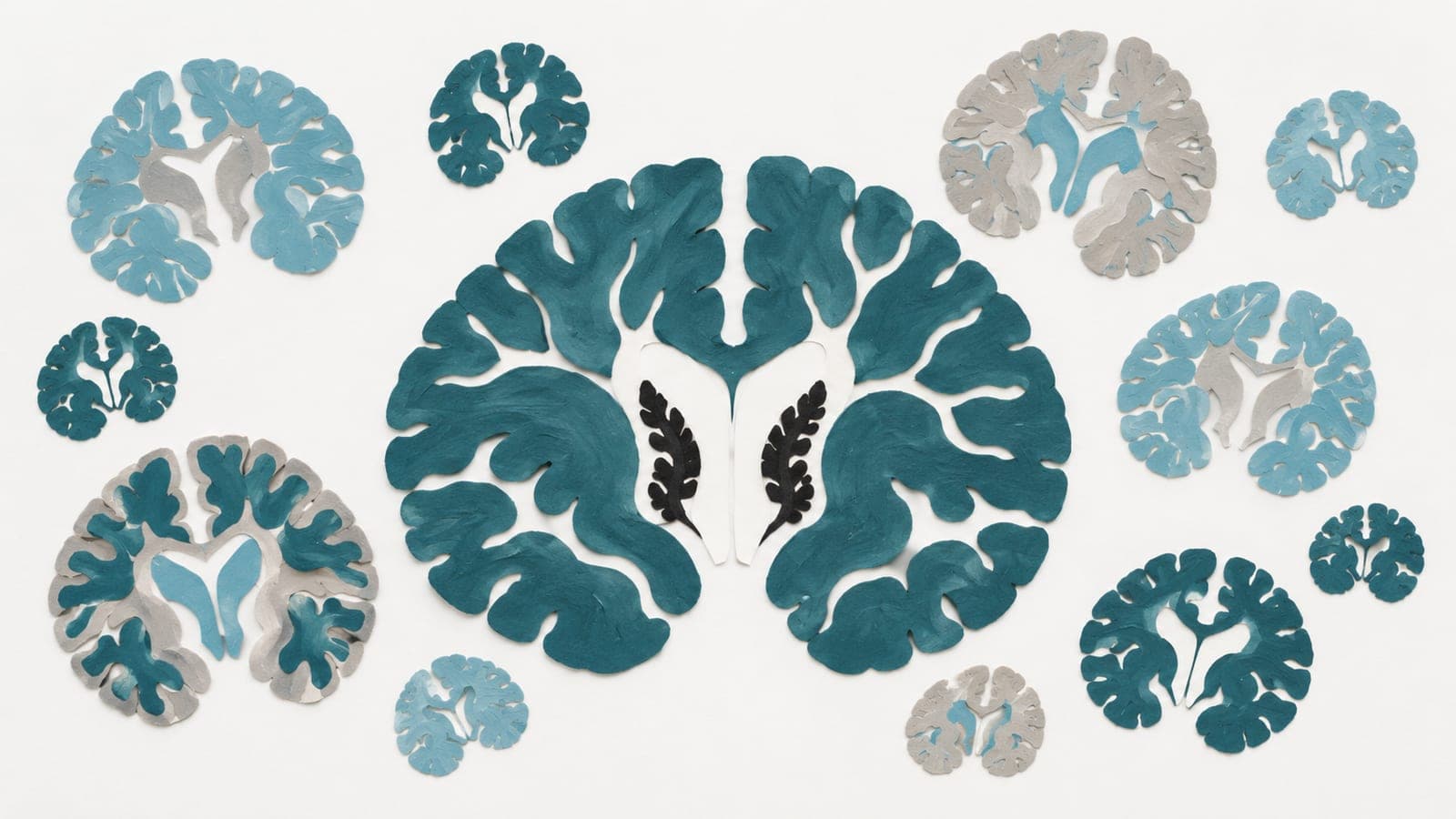
With a human template, primate proteins appeared least destabilised, producing a weak apparent link with lifespan. The link disappeared with a platypus template. Among reptiles, a human template produced an apparent link that two fish templates did not reproduce. Neither group showed a robust link using templates from outside the group, although moderate effects could not be excluded.
Why it matters
The study addresses whether protein stability might help account for differences in lifespan between species. The researchers proposed checks to distinguish biological patterns from biases in prediction tools.
Caveats
These were computational predictions, not measurements of protein stability in living animals. The paper is a preprint and has not been peer-reviewed.
The paper
bioRxiv, 16 Oct 2026, Open access, CC BY, Preprint, not peer-reviewed