Human blood-forming cells show disease-linked DNA patterns
A computational analysis of existing human blood and bone marrow data mapped previously unknown cell-type-specific and disease-associated mitochondrial DNA variants.
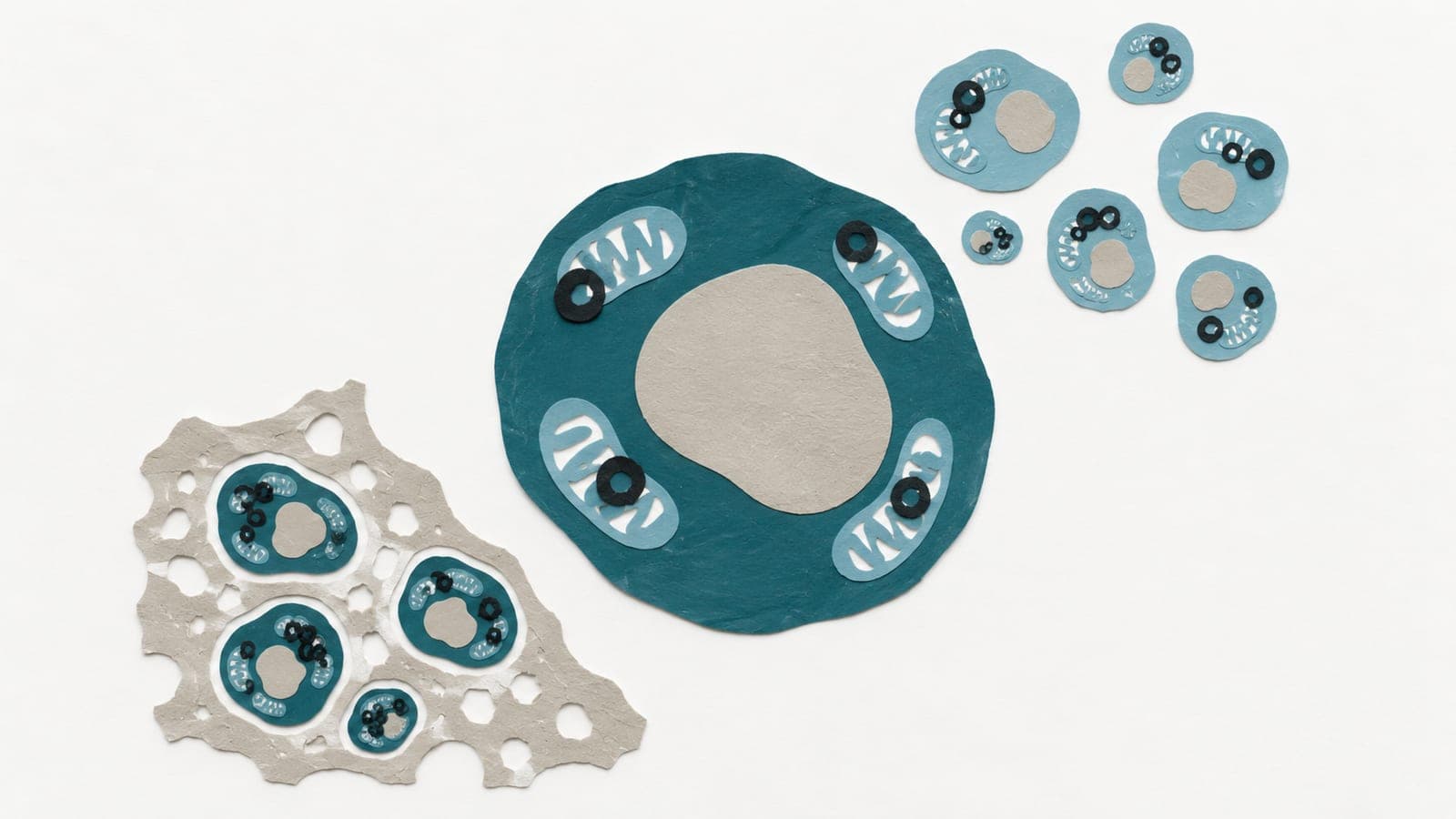
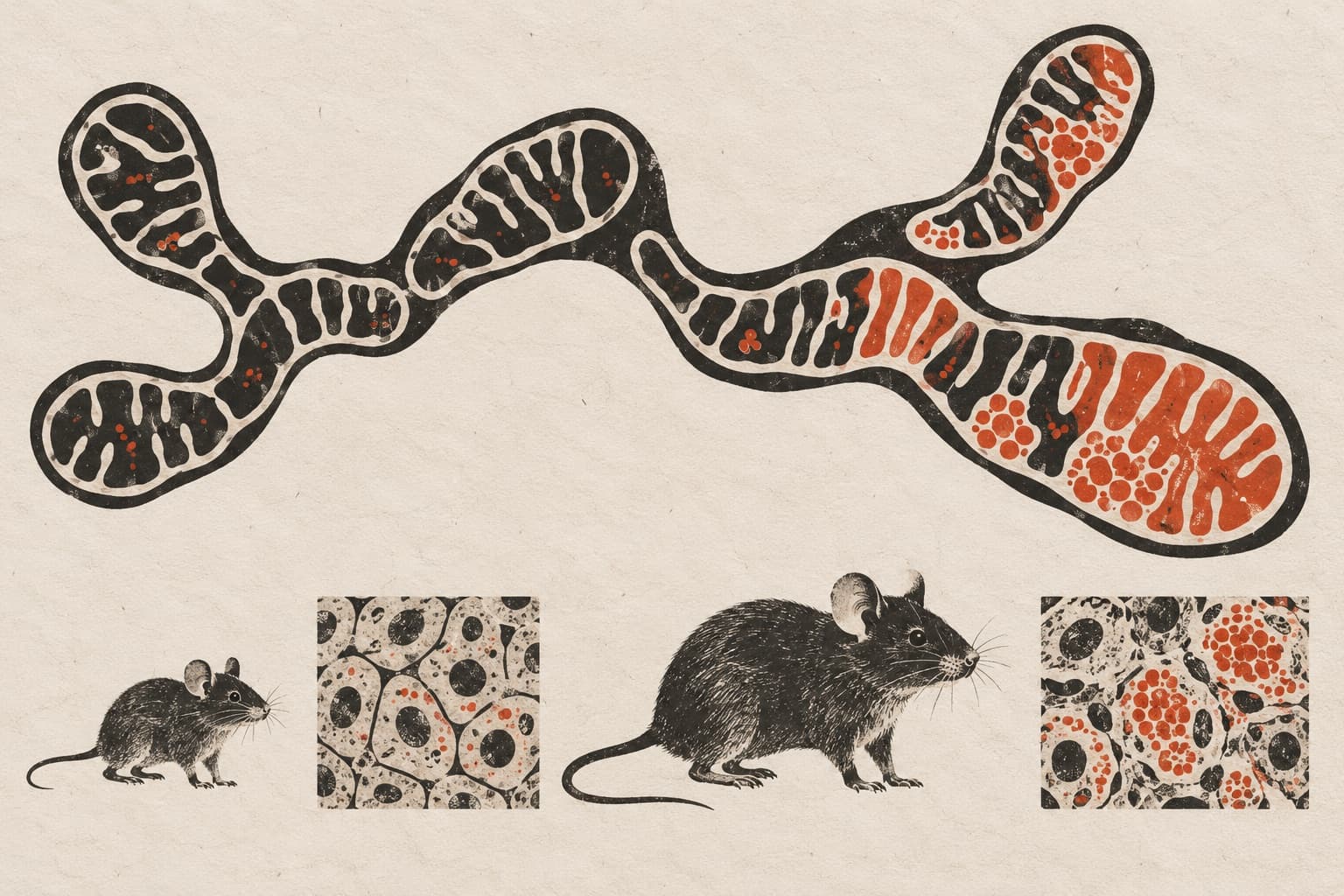
Researchers analysed existing data from human peripheral blood mononuclear cells, a group of immune cells, and human bone marrow cells in a computational study. Their new tool identified variants in mitochondrial DNA, the DNA in cells’ energy-producing structures, using data on gene activity in individual cells.
Blood and bone marrow shared many inherited variants. Variants acquired during life differed by tissue and cell type and appeared across the mitochondrial genome, suggesting they arose largely at random. The analysis also identified previously unknown cell-type-specific and disease-associated variants. Comparing variants with gene activity and modelling molecular structures suggested possible ways disease-associated variants might affect processes such as inflammation and contribute to disease.
Why it matters
Examining mitochondrial DNA variation across ages offers a starting point for investigating how genetic differences between blood-forming cells may relate to aging and disease.
Caveats
The computational analysis did not experimentally test the proposed disease mechanisms. The findings concern human blood and bone marrow cells, and the preprint has not been peer-reviewed.
- Single-cell omics
- Inflammation
- Mitochondrial DNA maintenance
- Homoplasmic mtDNA variant patterns
- Inherited mtDNA single-nucleotide variants
- Humans
The paper
Children's Hospital of Philadelphia and University of Pennsylvania
bioRxiv, 13 Oct 2026, CC BY-NC-ND, Preprint, not peer-reviewed