Loss of the Y chromosome barely alters tumor gene activity
Analyses of human kidney tumors, mice and cell lines showed that losing the Y chromosome produces few broad changes in gene activity across cancers.
Mice
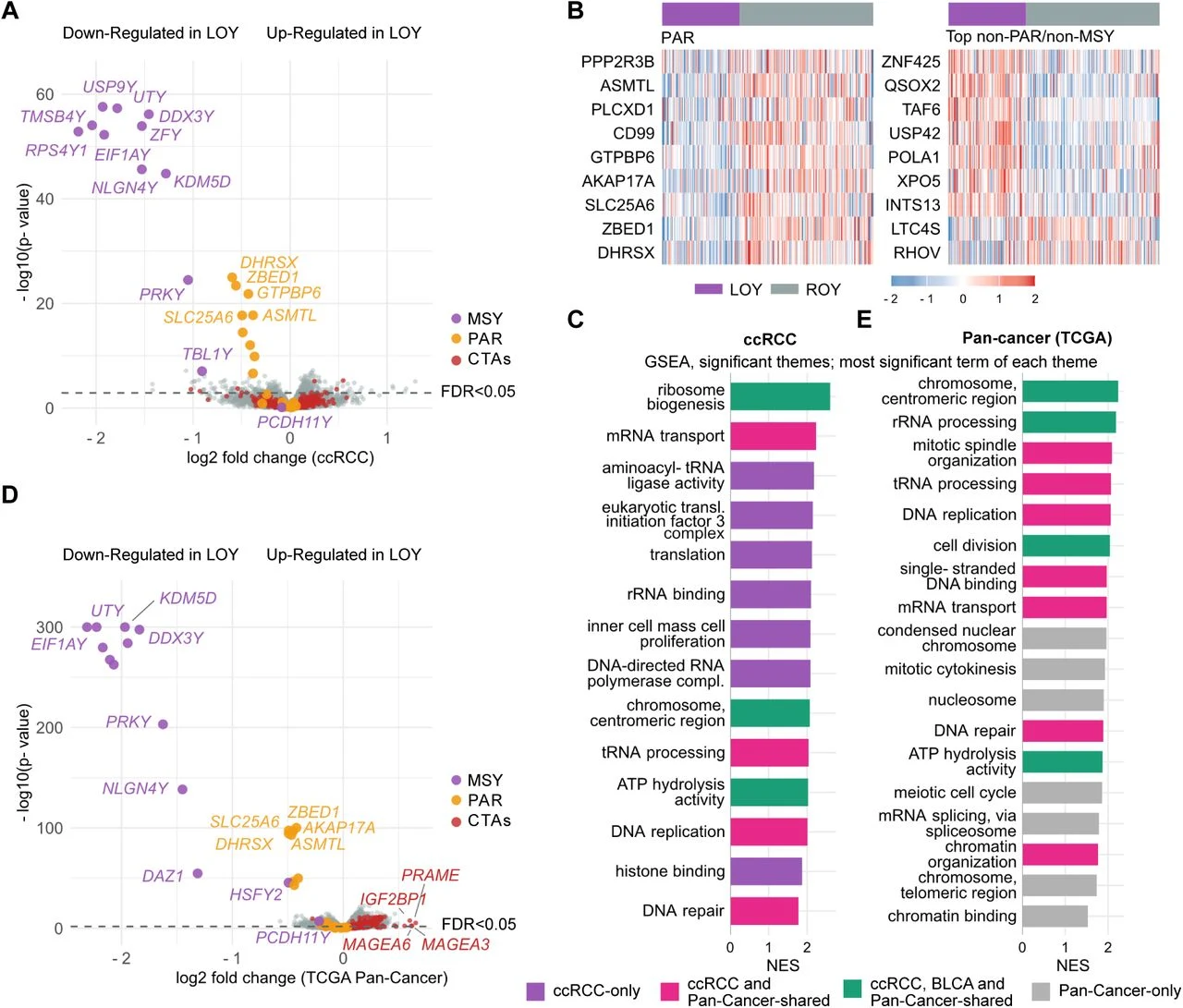
Using observational data from two human cohorts with clear cell renal cell carcinoma, alongside experiments in a mouse model of the disease and cultured human kidney cancer cells, researchers analyzed tumor gene activity. Across all three settings, loss of the Y chromosome mostly changed the activity of genes on the sex chromosomes themselves, matching their lost copies. It produced no large effects on other chromosomes. In the human cohorts, tumors lacking the Y chromosome showed modest shifts in pathways linked to cell division, protein-making machinery and DNA repair. A wider analysis across other tumor types found the same pattern, though some non-kidney cancers had higher expression of cancer/testis antigens. The authors concluded that Y chromosome loss is largely silent in gene activity across cancers.
Why it matters
Tumors in men often lose the Y chromosome, which predicts poor outcomes in some cancers. Clarifying whether this loss alters wider gene activity bears on how sex-specific chromosome changes contribute to tumor development in adults.
Caveats
The human findings come from observational tumor cohorts, and the cell experiments used clones from a single cell line. The paper is also a preprint that has not yet been peer-reviewed.
From the paper
- Limitation
Y chromosome status in ccRCC was inferred from transcript abundance rather than DNA, so partial or subclonal losses are not resolved, although the 95% concordance with WGS-based calls argues that misclassification is limited.
Quoted word for word from the full text on bioRxiv.
The paper
University of Freiburg
bioRxiv, Oct 9, 2026, Open access, CC BY, Preprint, not peer-reviewed