Blood mutations skew pooled human cancer mutation data
For one gene involved in DNA modification, 52.8% of patients flagged as carrying a mutation had no tumour-derived mutation in that gene.
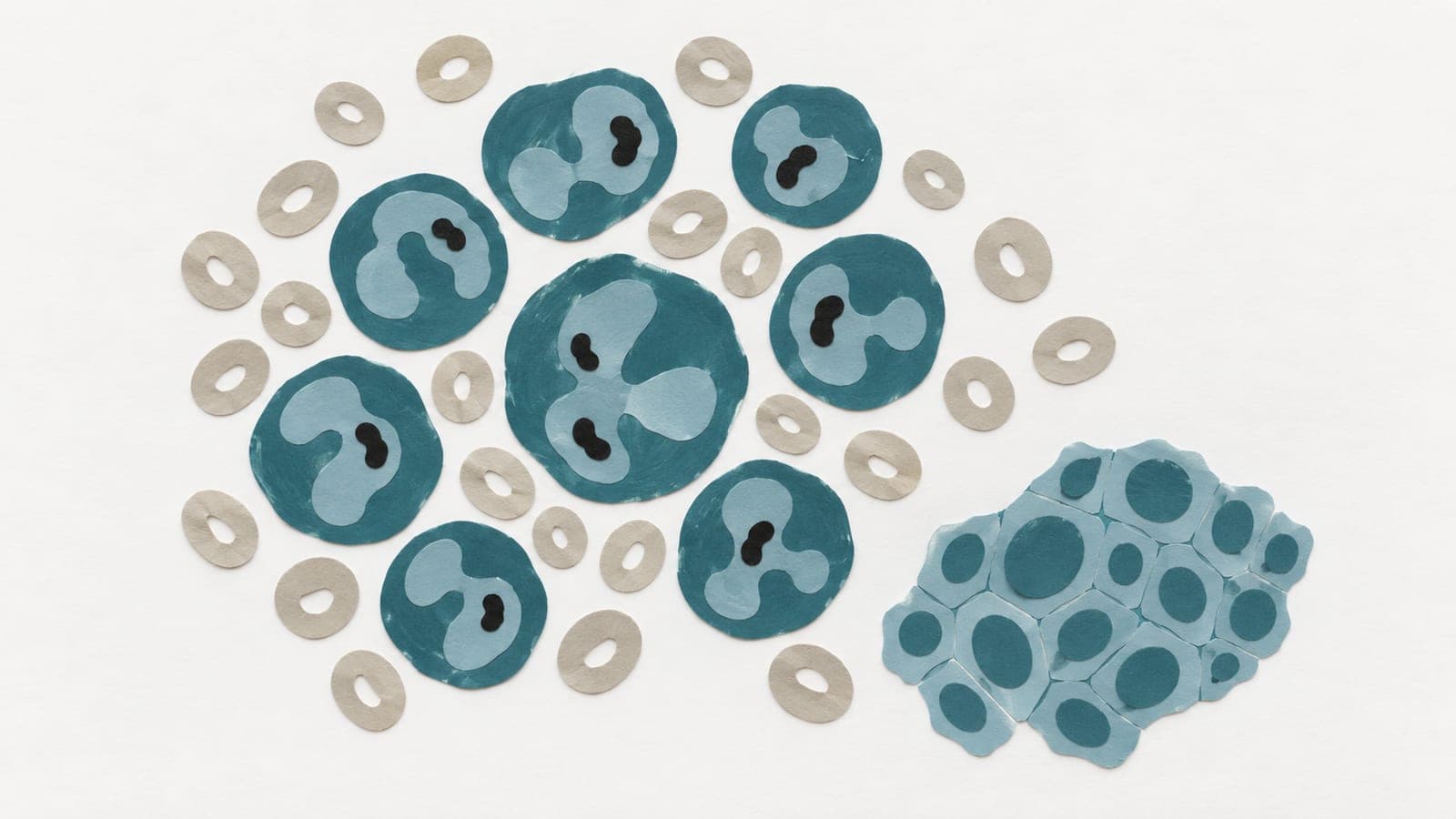
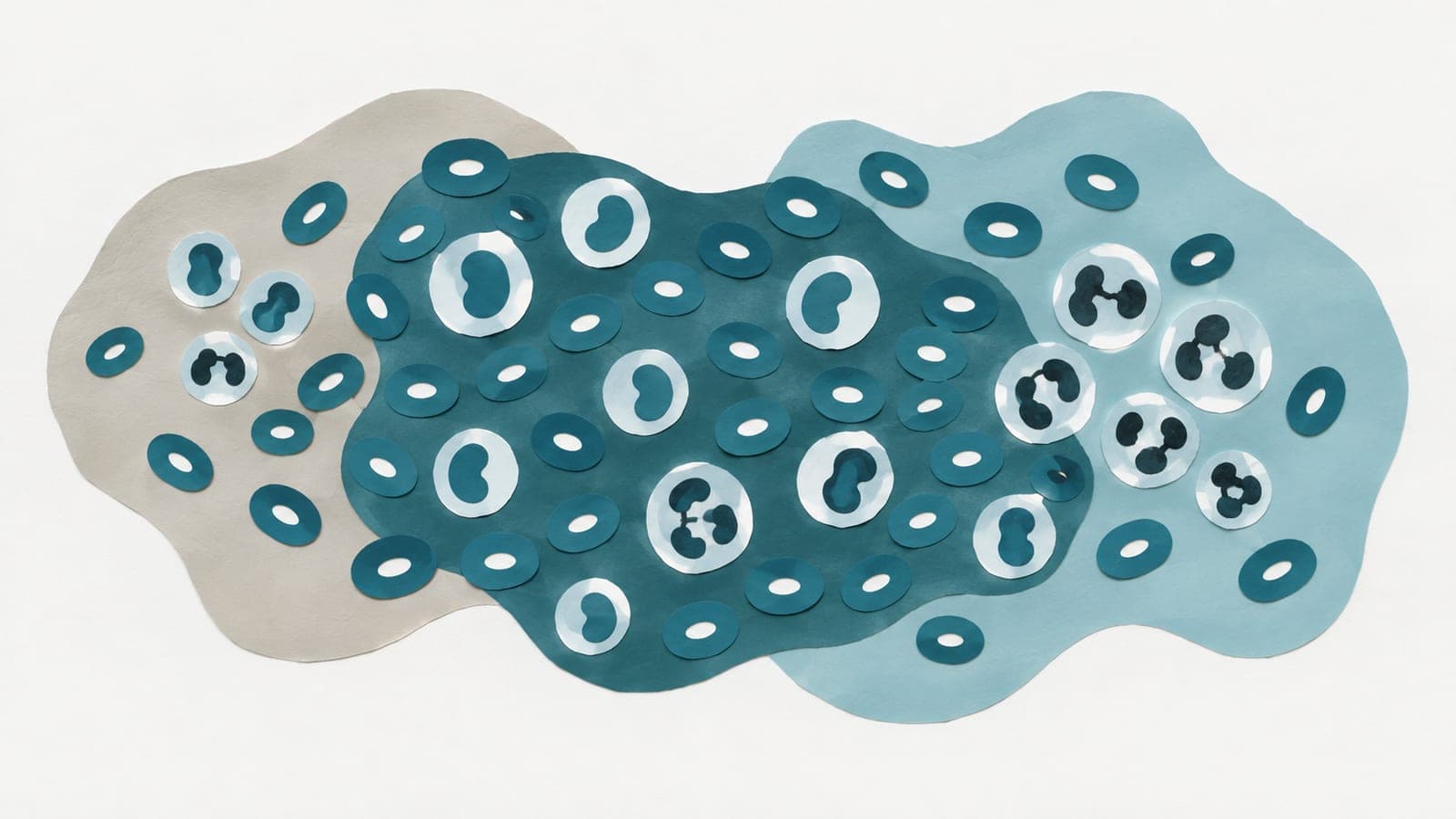
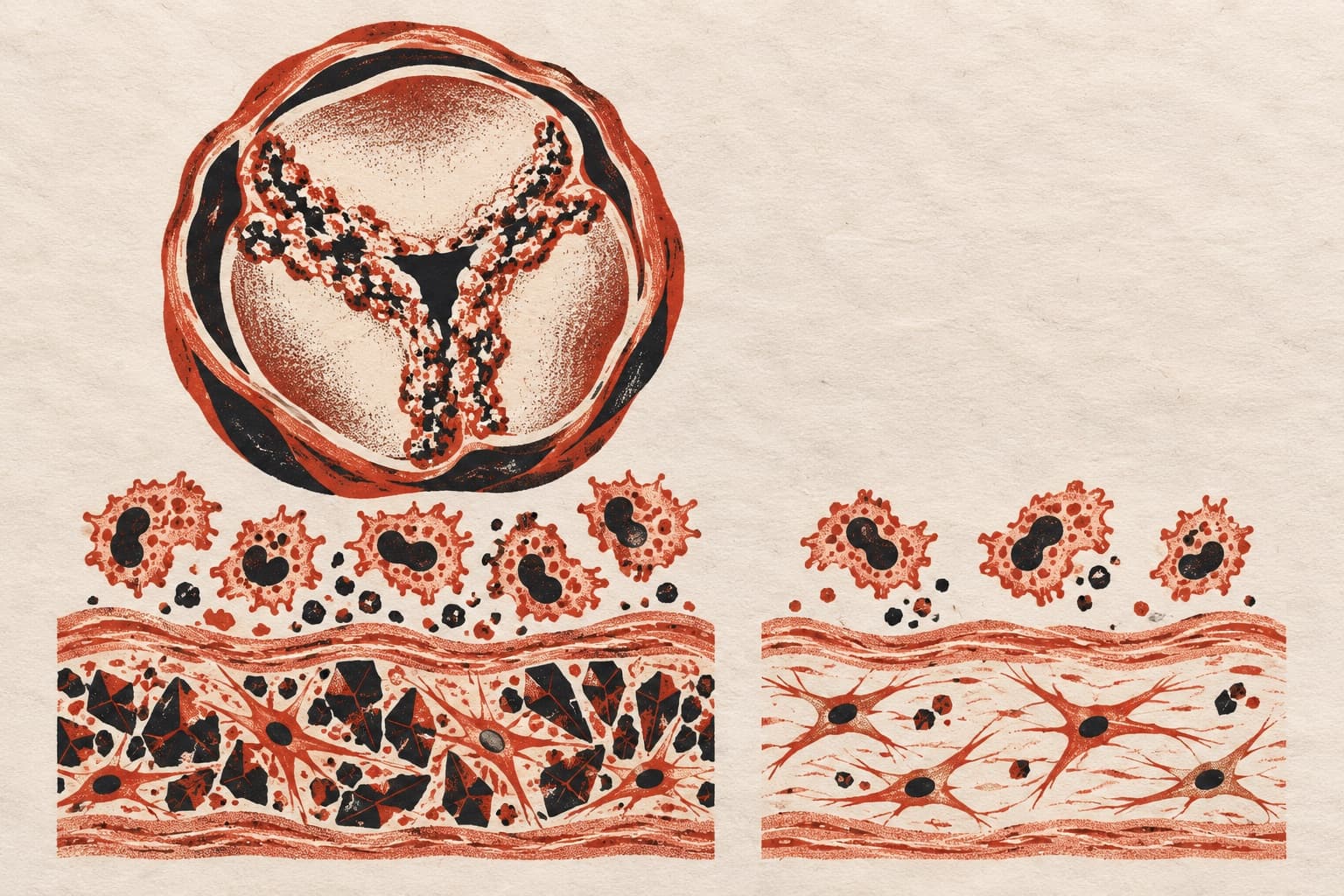
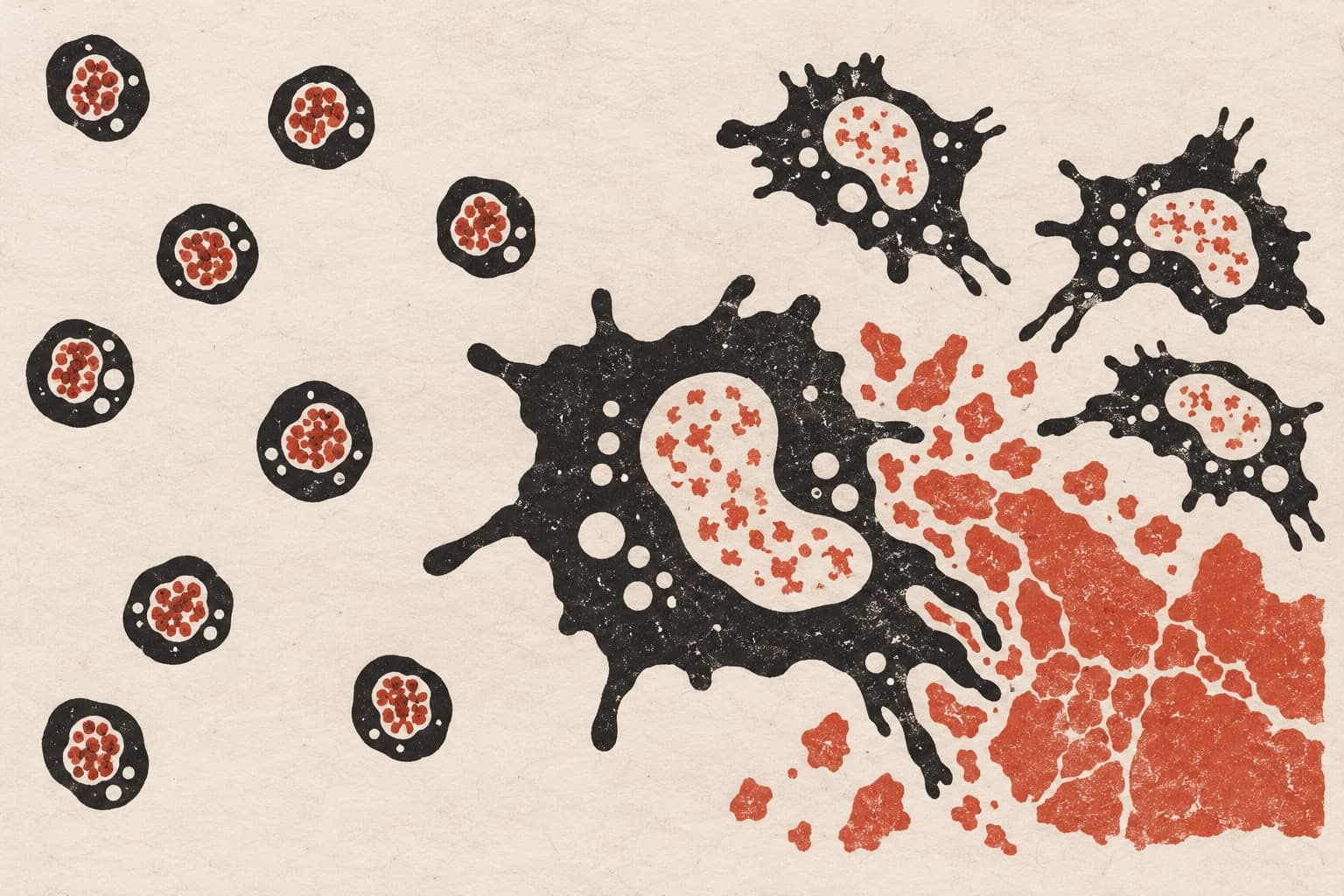
In human patient data from 483 public cancer studies, researchers computationally analysed 1,282,483 coding mutation records across 140 genes. They linked records by patient identifier, classified them by specimen type and rebuilt a patient-by-gene table with and without blood-derived records. Three studies supplied blood samples with the same patient identifiers as tumours recorded elsewhere. Merging these records by patient assigned mutations from blood-cell clones—groups descended from one cell—to solid tumours.
For DNMT3A, a gene involved in DNA modification, 52.8% of patients flagged as carrying a mutation had no tumour-derived mutation in that gene. Blood-derived records accounted for 1.7% of all mutation records. Removing them lowered the pooled DNMT3A mutation rate by 45%. The researchers reported that two filtering steps before aggregation removed the misassignment.
Why it matters
For aging research asking how blood-cell clones relate to cancer, the analysis highlights the importance of identifying which specimen carried a mutation.
Caveats
This was a computational reanalysis of public records, not an experiment testing how blood-cell clones affect cancer. The report is a preprint and has not been peer-reviewed.
The paper
Stanford University School of Medicine
medRxiv, 12 Oct 2026, CC BY, Preprint, not peer-reviewed