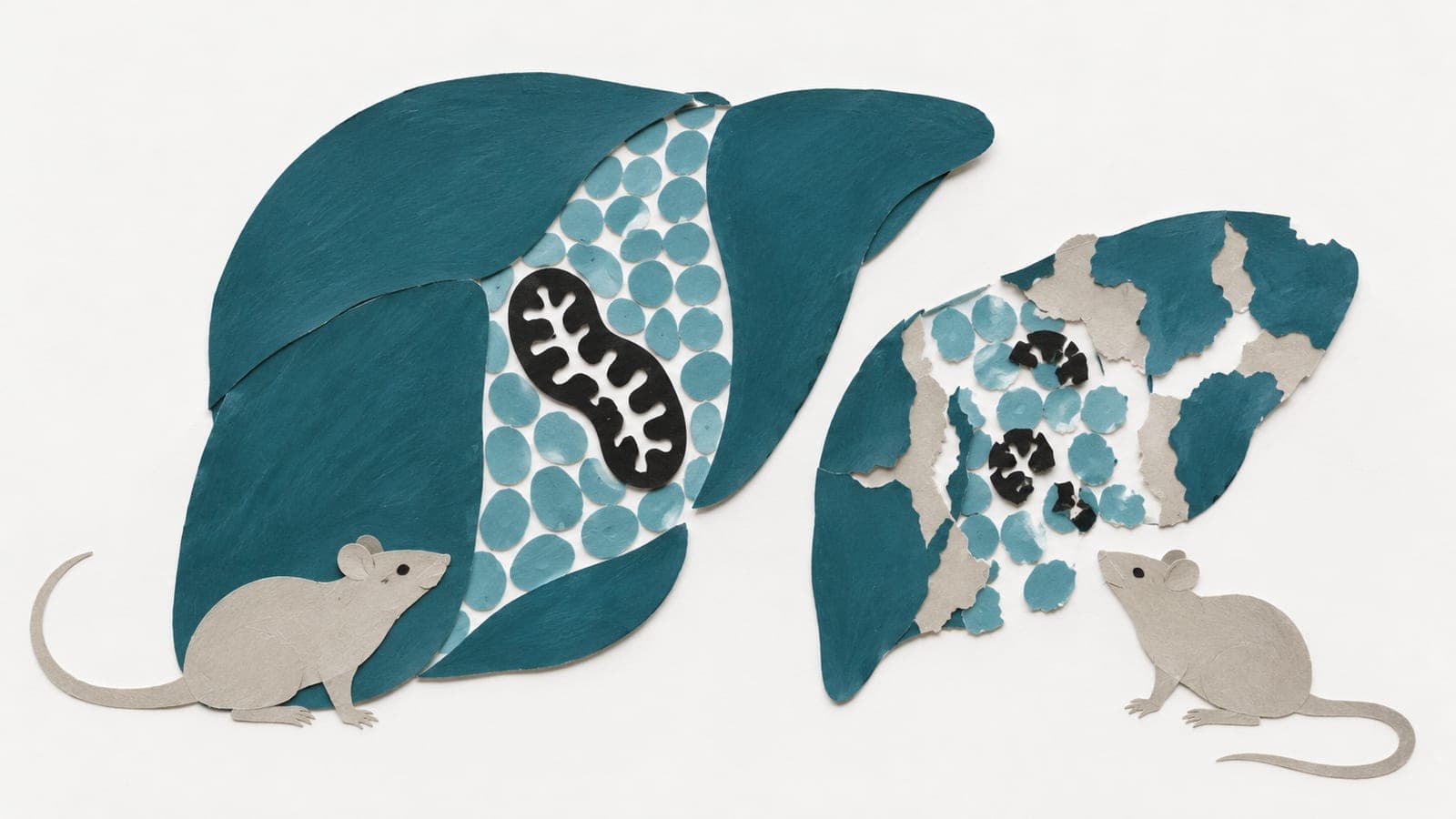
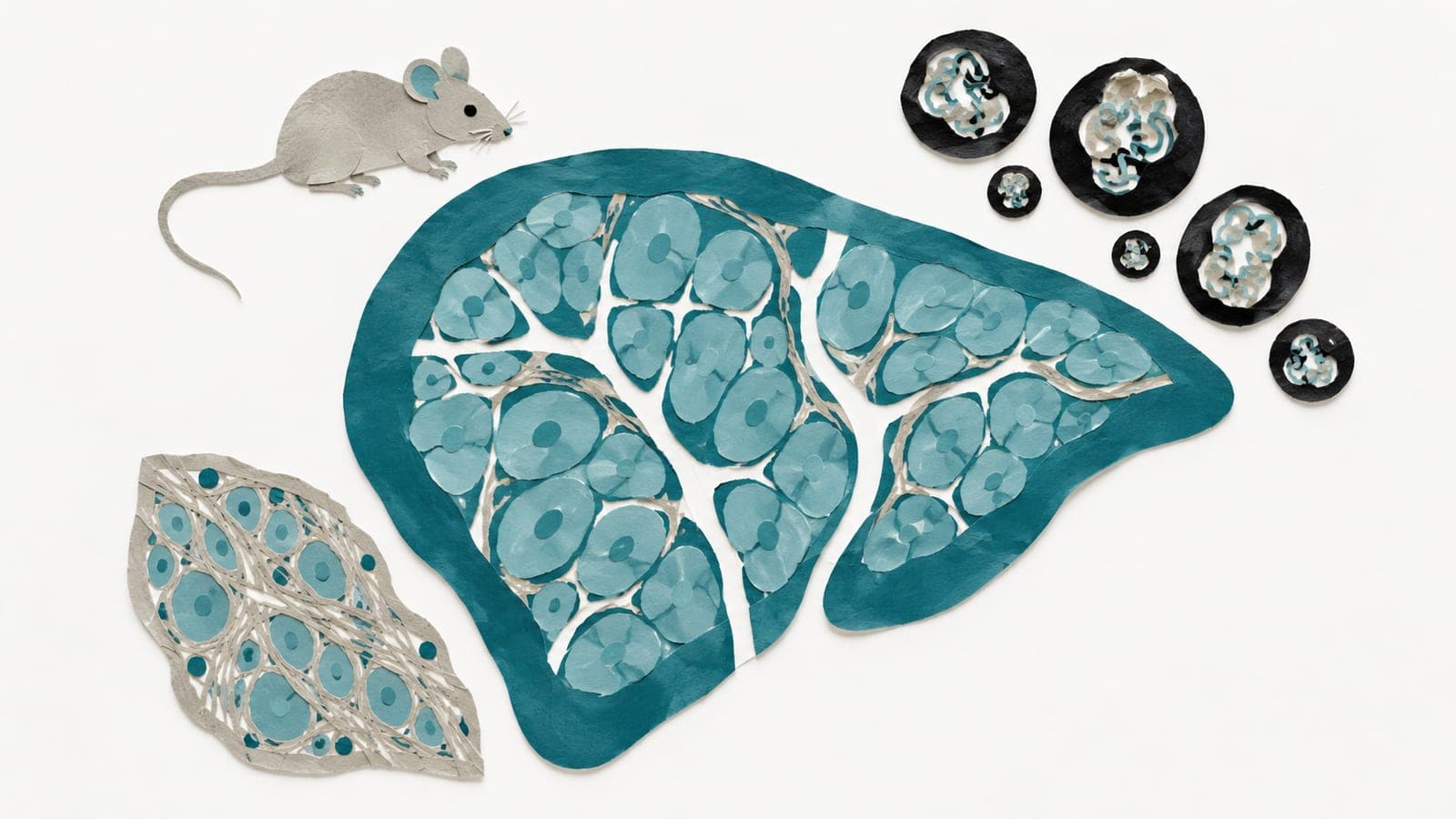
Pig kidneys recovered function after ultra-cold storage
Kidneys 100-fold larger than those previously rewarmed with this method recovered function after up to one year at minus 150 degrees Celsius.
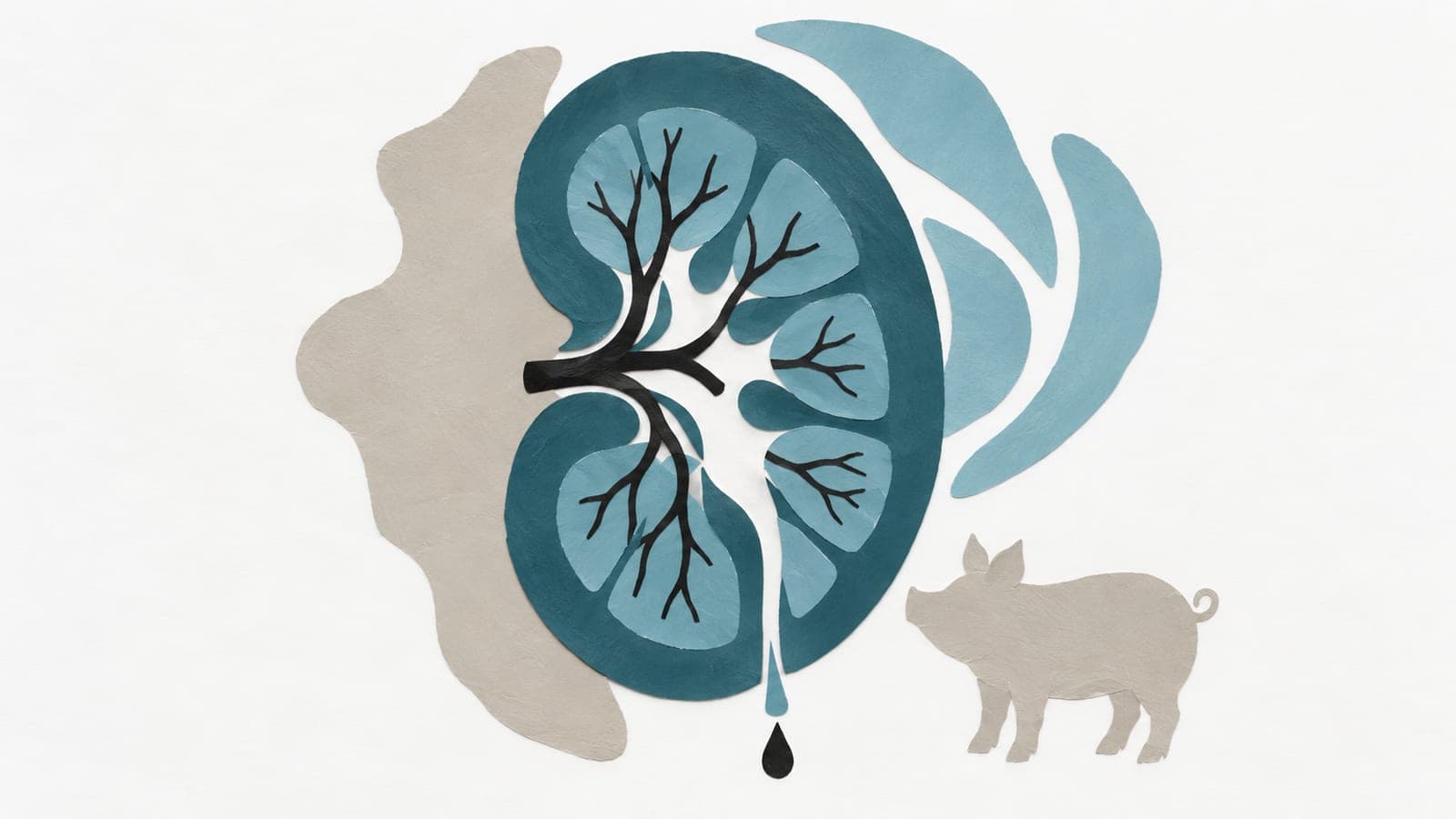
In an animal experiment, researchers cooled human-scale pig kidneys without forming ice, stored them at minus 150 degrees Celsius and rewarmed them with electromagnetic heating. Storage lasted up to one year. They used a new mixture of protective chemicals and passed it through the kidneys at different temperatures. Controlled cooling and staged rewarming limited thermal stress and avoided cracking.
After rewarming, the kidneys showed blood-vessel function, metabolism—the chemical processes that sustain cells—and waste excretion when researchers circulated body-temperature fluid through them. Tissue examination found limited injury. After transplantation, blood flowed evenly through the kidneys, which immediately produced urine. Recovery approached that of kidneys kept in conventional cold storage across several measures. It was similar to recovery after exposure to the protective chemicals alone, suggesting minimal additional functional injury from ice-free cooling, storage and rewarming.
Why it matters
Short preservation windows contribute to donor-organ discard and deaths on transplant waiting lists. Longer organ banking could help address these limits on transplantation.
Caveats
The abstract reports immediate function after transplantation, not long-term transplant outcomes. These were pig kidneys, and the findings are from a preprint that has not been peer-reviewed.
- Kidney transplantation
- Cryogenic storage
- Cryoprotectant formulation
- Multithermic perfusion
- Urine production
- Pigs
The paper
Functional recovery of vitrified and nanowarmed human-scale pig kidneys
University of Minnesota
bioRxiv, 14 Oct 2026, Open access, CC BY-NC-ND, Preprint, not peer-reviewed