Frailty and cognitive impairment decline after kidney transplant
Physical frailty fell from 8.3% to below 2%, and mild cognitive impairment dropped from 42.6% to 31.3% over two years in 230 kidney transplant recipients.
Transplant International
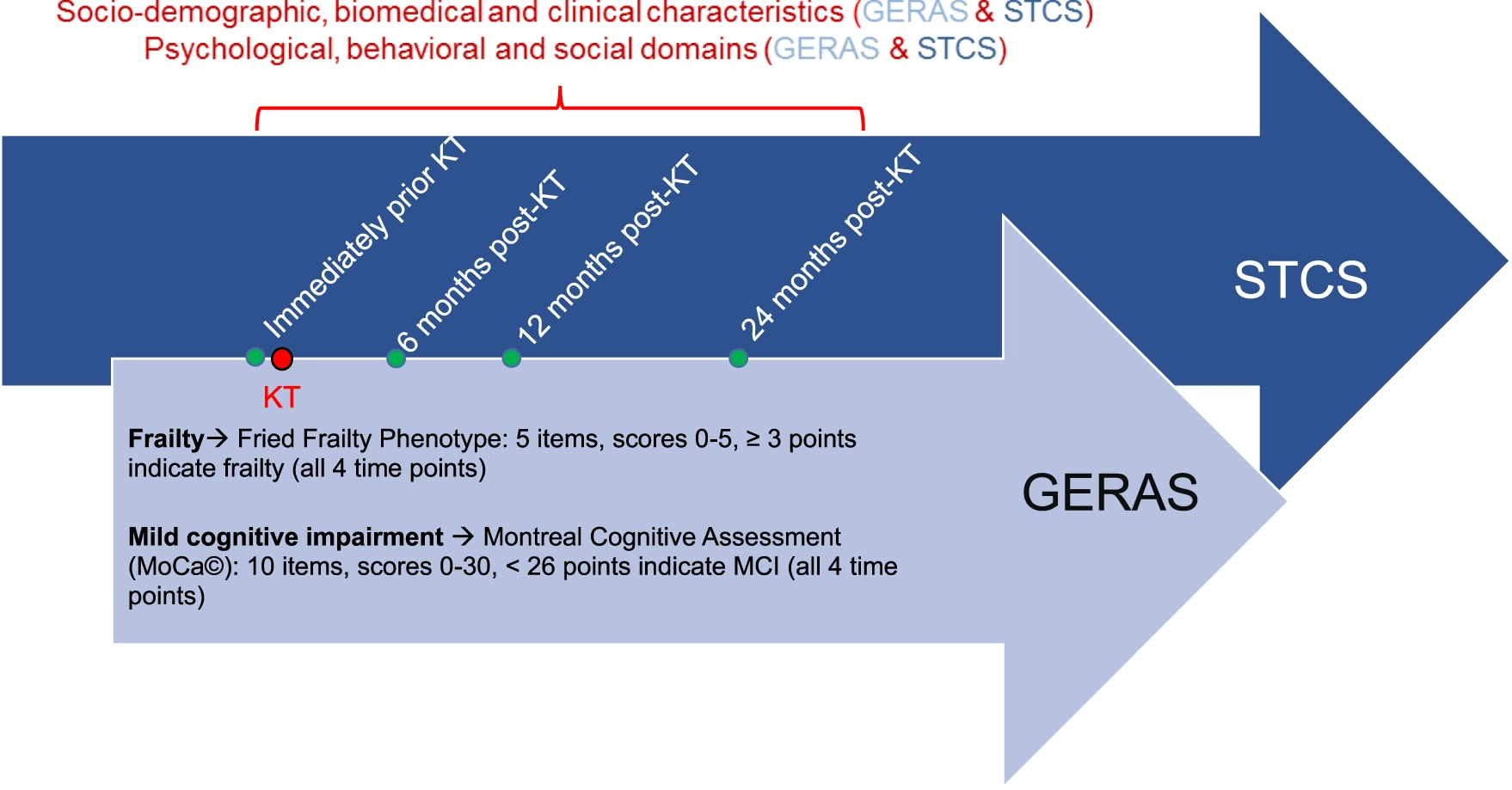
In a prospective multicentre cohort study, researchers followed 230 adult kidney transplant recipients for up to two years after surgery. The team tracked physical frailty using an adapted frailty score and mild cognitive impairment using a cognitive assessment. Physical frailty declined from 8.3% before transplantation to below 2% during follow-up. Pre-frailty, an intermediate stage of physical weakness, decreased from 54.3% to 27.6% at two years. The prevalence of mild cognitive impairment also fell from 42.6% to 31.3%. Physical frailty proved more dynamic over time than cognitive function. In longitudinal analyses, better cognitive function at earlier time points predicted lower subsequent frailty, whereas frailty did not significantly predict later cognitive function.
Why it matters
Physical frailty and cognitive impairment are important health vulnerabilities that frequently increase with age. Understanding how mental and physical function relate over time may help clinicians identify patients at risk of persistent frailty and tailor post-transplant care.
Caveats
Because this was an observational study with no comparison group of patients who remained on dialysis, it cannot show whether transplantation itself caused the improvements. The findings also rely on a cohort limited to 230 adult recipients followed across centres in a single country.
- Kidney transplantation
- Mild cognitive impairment
- Kidney failure
- Mild cognitive impairment prevalence
- Adapted Fried Frailty Phenotype
- Humans
The paper
Show 6 more authors
Michael Dickenmann, Déla Golshayan, Karine Hadaya, Uyen Huynh‐Do, Reto W. Kressig, Sabina de Geest,University of Basel
Transplant International · 21 Sep 2026