Epigenetic clock

Papers on epigenetic clock

1,674 papers47 new in 30 days

Sunday, August 30

Saturday, August 29

Friday, August 28

The Journal of Nutrition, Health & Aging

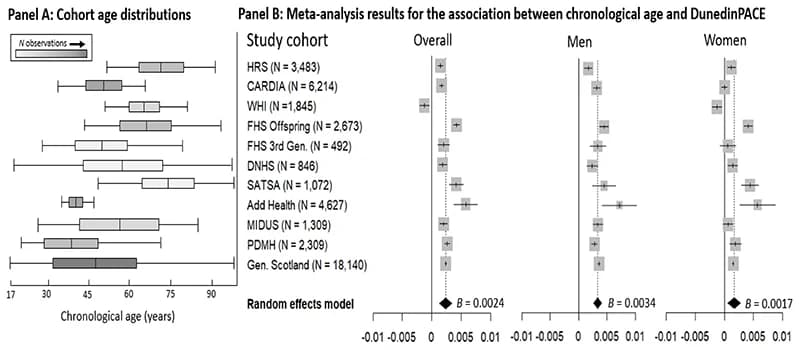
Mediterranean diet linked to weaker smoking-related aging signals

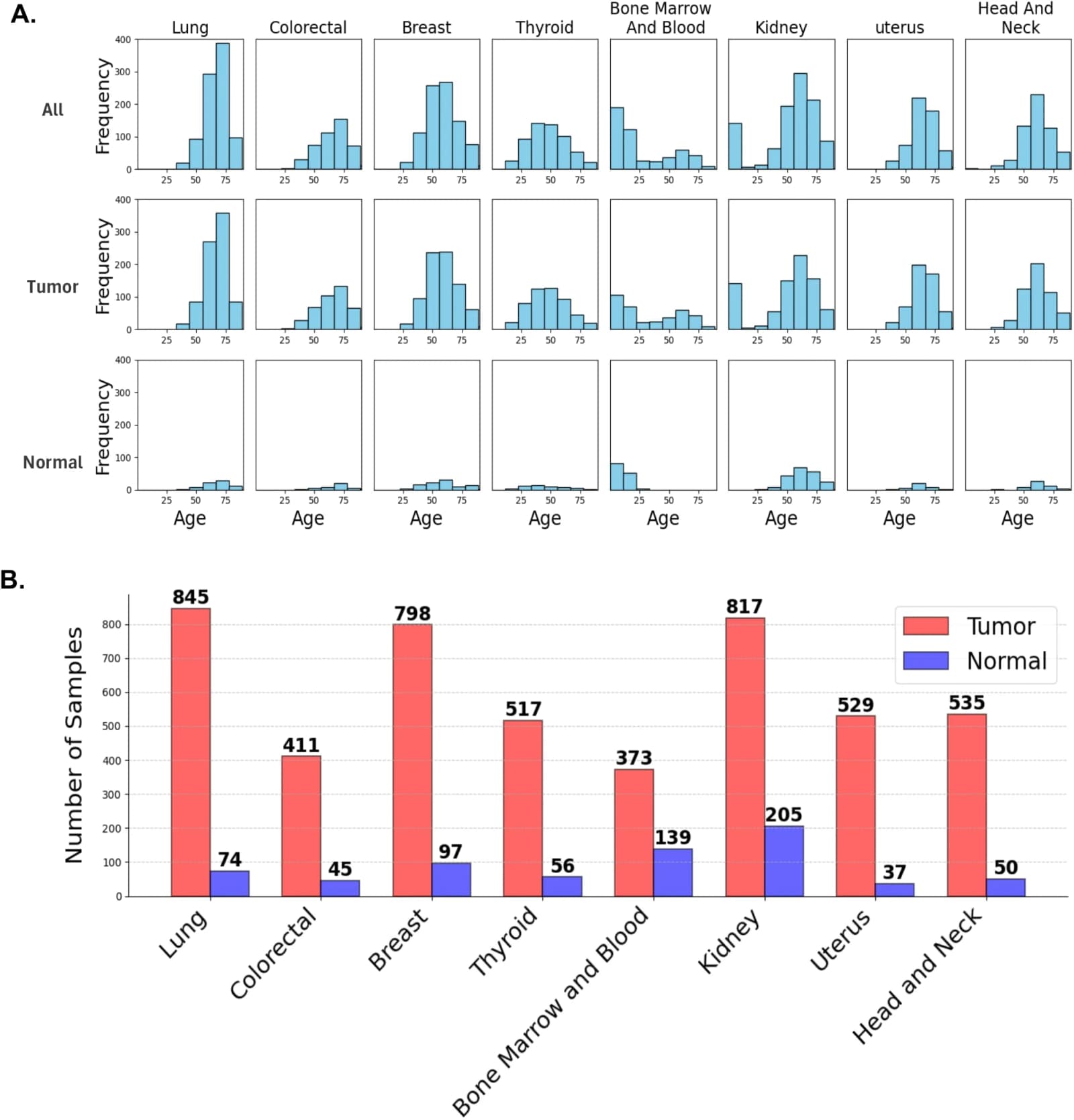
A cross-sectional analysis of 928 police employees linked closer Mediterranean diet adherence to smaller smoking-associated differences in blood-based aging measures.A cross-sectional analysis of 928 police employees linked closer Mediterranean diet adherence to smaller smoking-associated differences in blood-based aging measures.

Figure from The Journal of Nutrition, Health & Aging
Cross-sectional · 928 peopleBiomarkers

Thursday, August 27

Wednesday, August 26

Tuesday, August 25

Saturday, August 22

Mechanisms of Ageing and Development

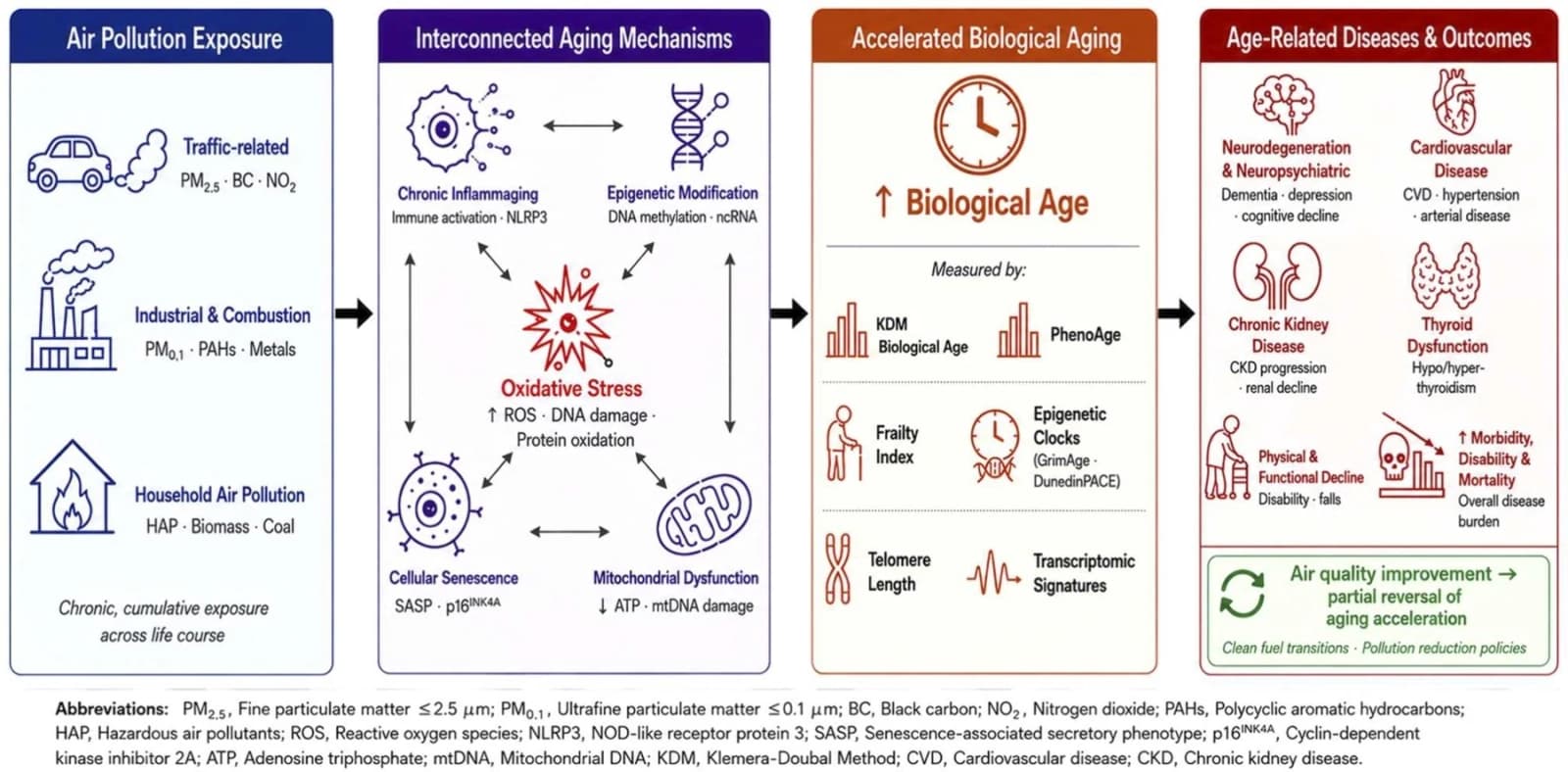
DNA-based model predicted death risk in postmenopausal women

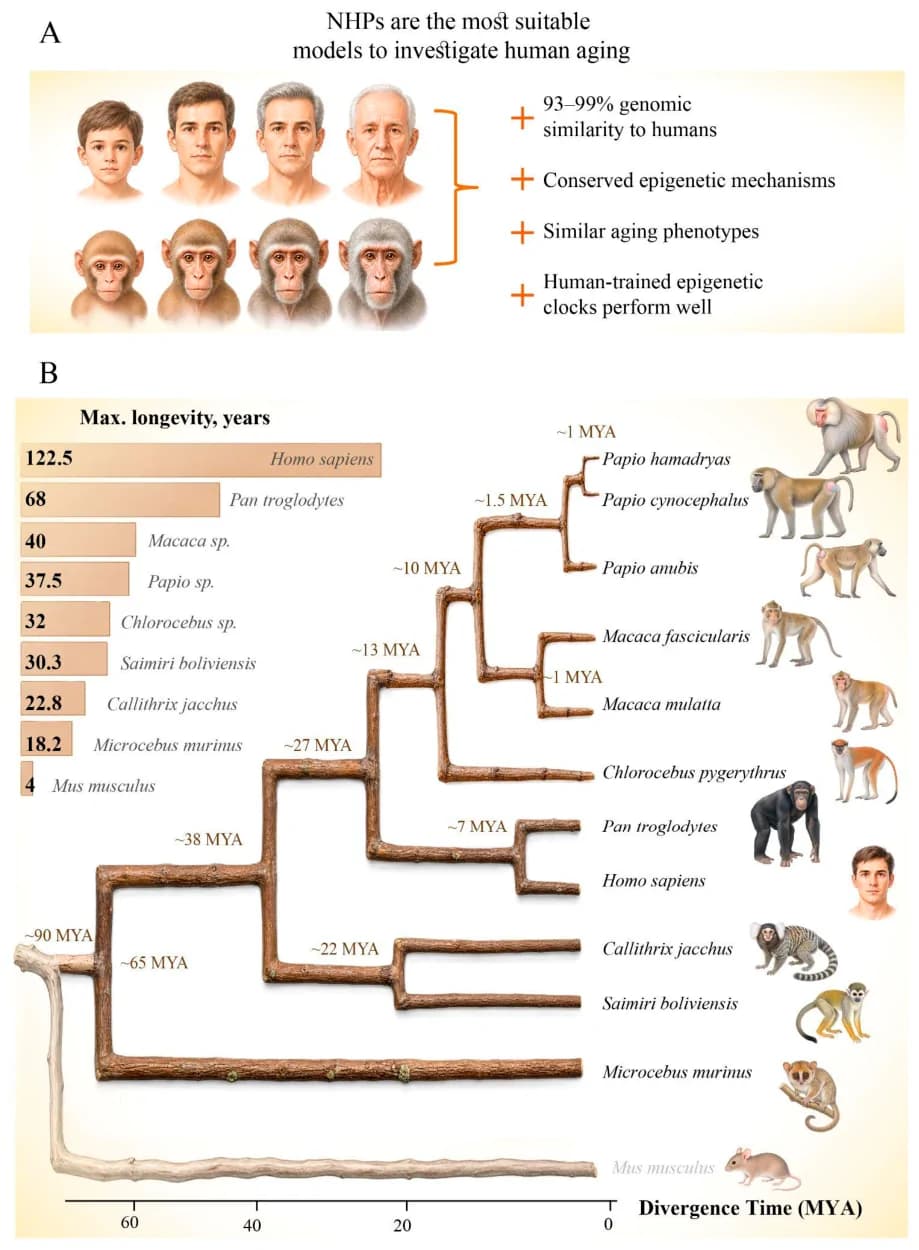
An observational analysis in postmenopausal women aged 50–79 found prediction comparable to one existing biological-age clock and better than another.An observational analysis in postmenopausal women aged 50–79 found prediction comparable to one existing biological-age clock and better than another.

Figure from Mechanisms of Ageing and Development
Cohort studyBiomarkers
EBioMedicine

Aging-marker patterns linked to quality of life in epilepsy

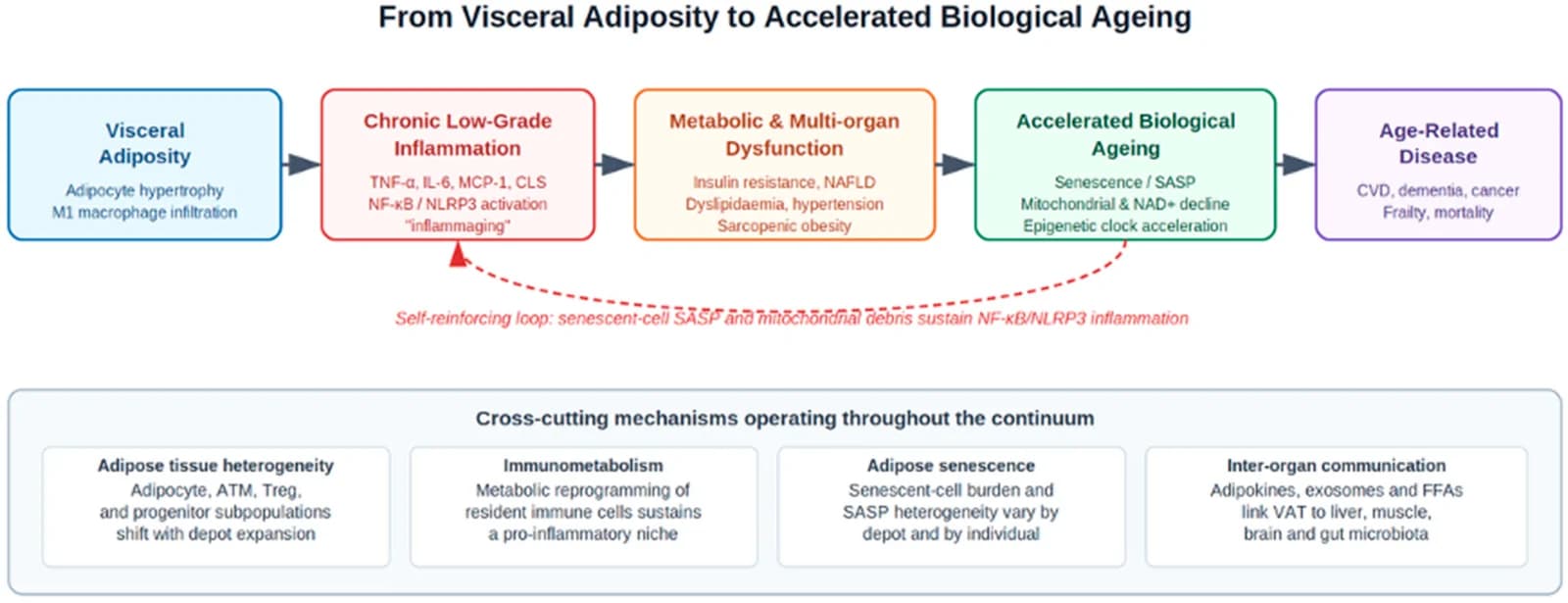
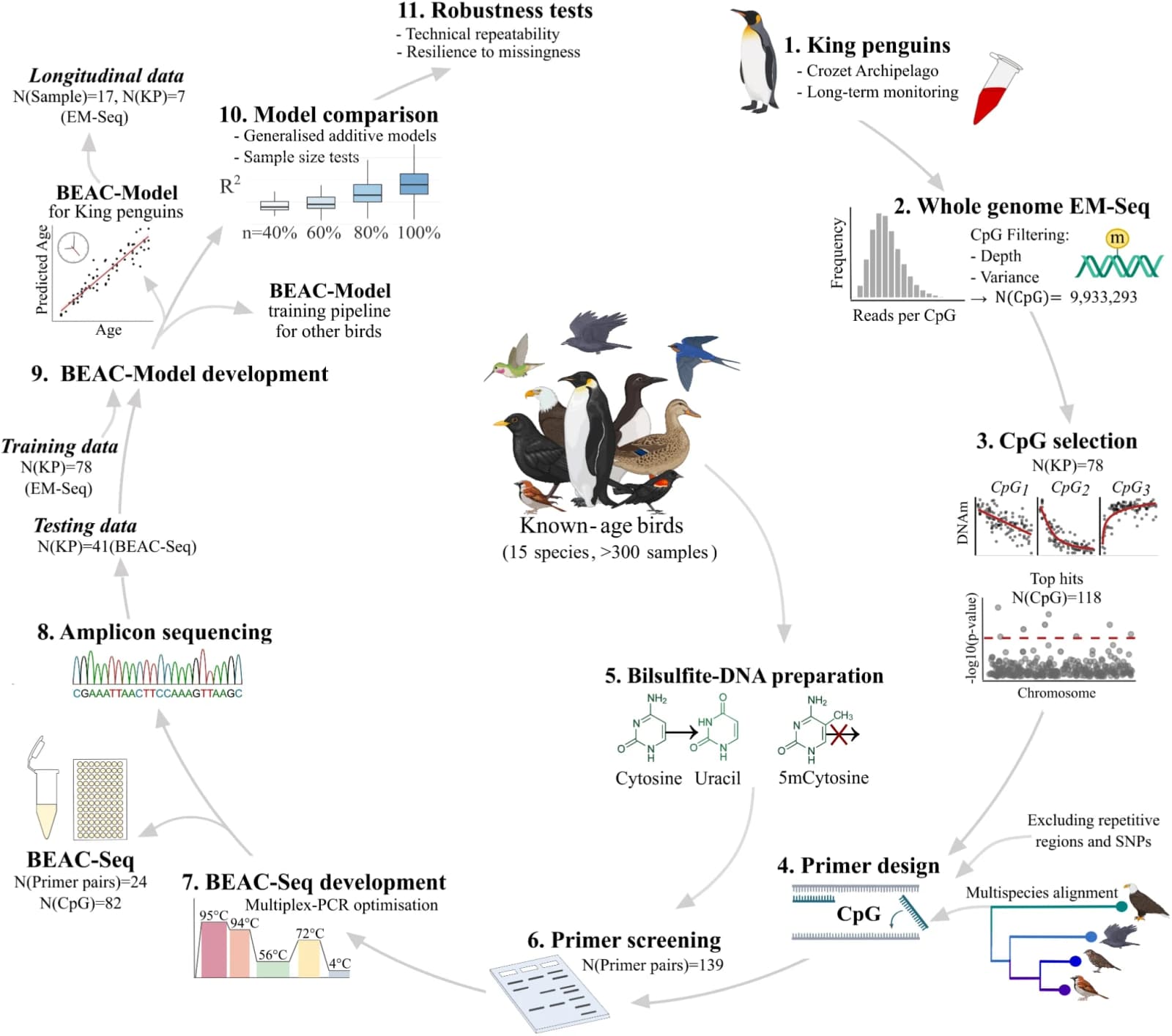
Quality-of-life scores rose 18.8 points in adults whose estimated aging rate rose then fell, versus 4.7 points with the opposite pattern during dietary therapy.Quality-of-life scores rose 18.8 points in adults whose estimated aging rate rose then fell, versus 4.7 points with the opposite pattern during dietary therapy.

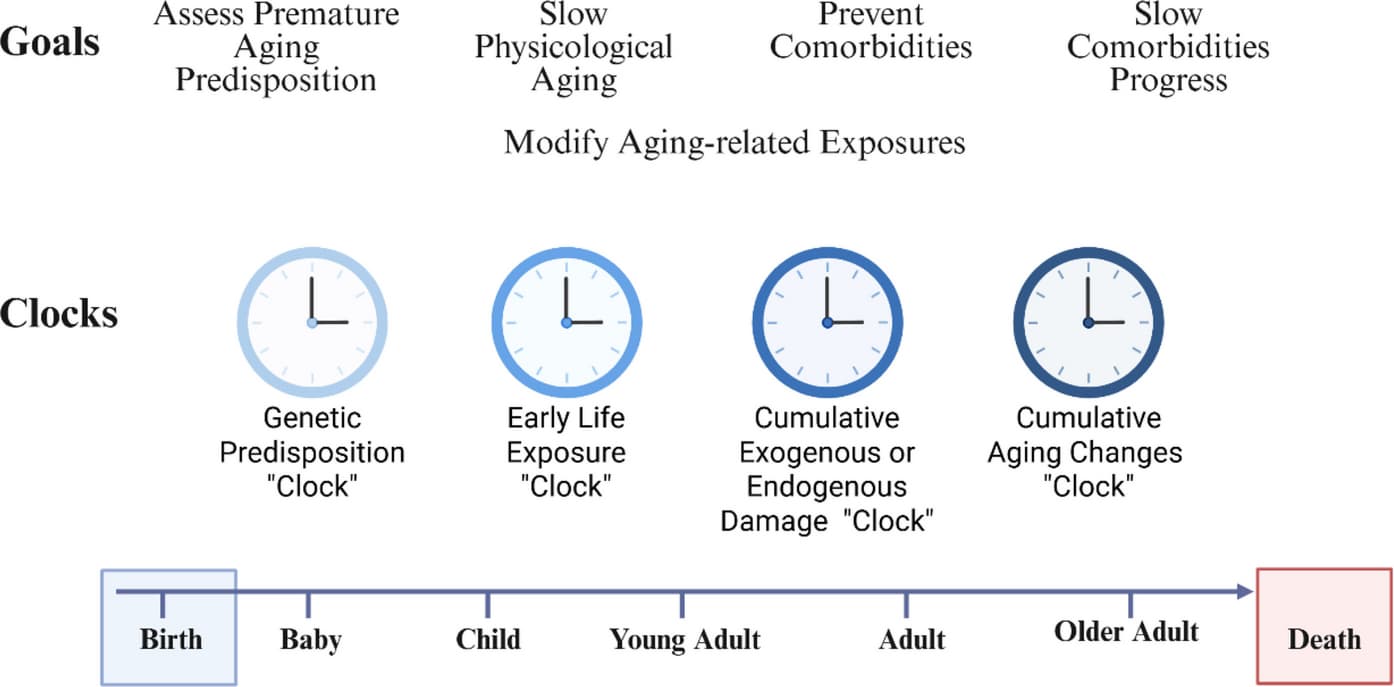
Baseline characteristics of cumulative epigenetic clocks.
Single-arm trialInterventions

Friday, August 21

Thursday, August 20

Nature

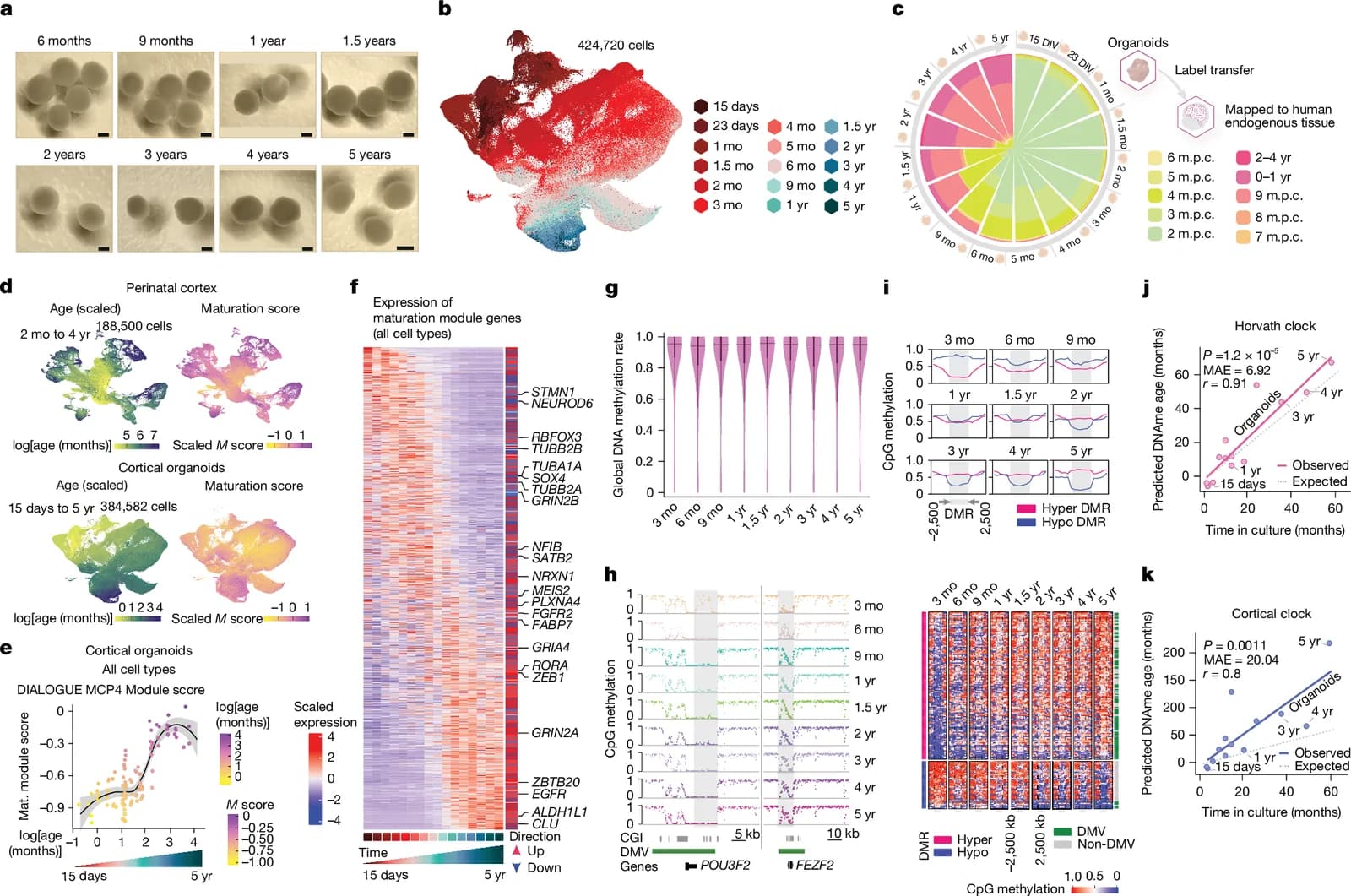
Lab-grown human brain models recorded developmental time

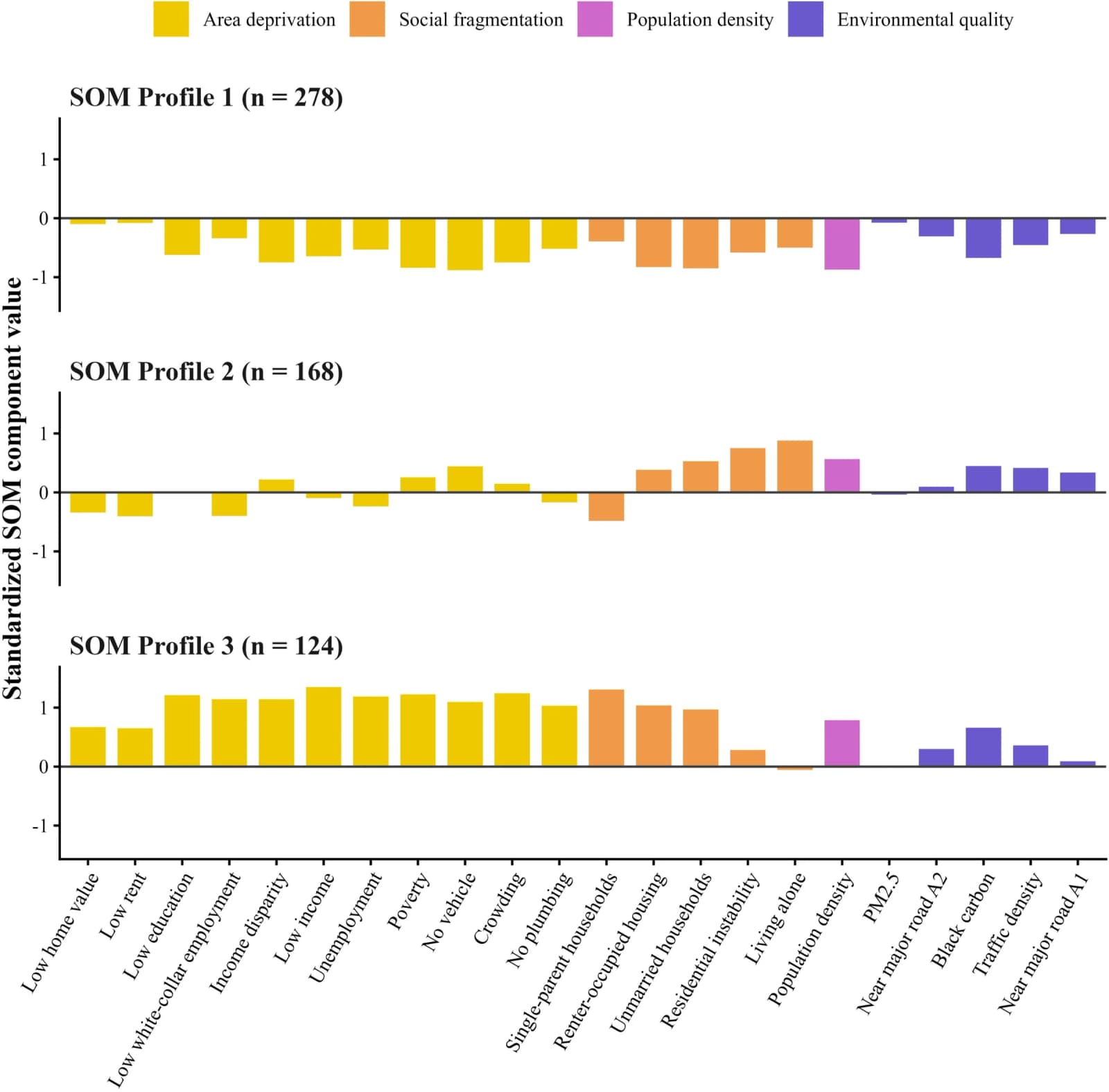
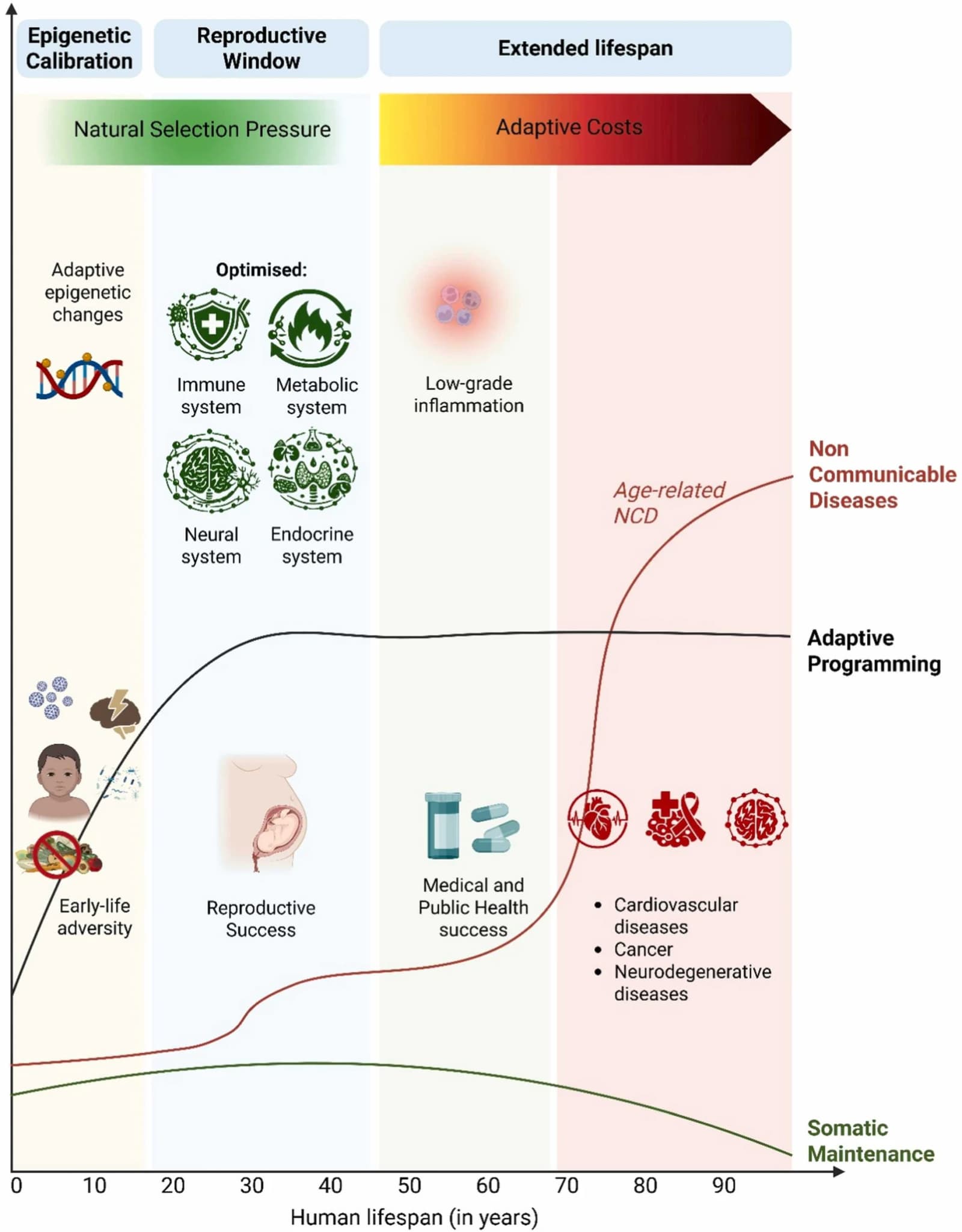
Human brain organoids grown for five years showed cell-type-specific changes in gene activity and DNA-based age estimates that tracked time in culture.Human brain organoids grown for five years showed cell-type-specific changes in gene activity and DNA-based age estimates that tracked time in culture.

Cortical organoids undergo progressive maturation during long-term culture.
Human cell studyMechanisms

Wednesday, August 19