Endogenous Gdf15 activation limits adiposity and increases fecal energy excretion in mice
Abstract
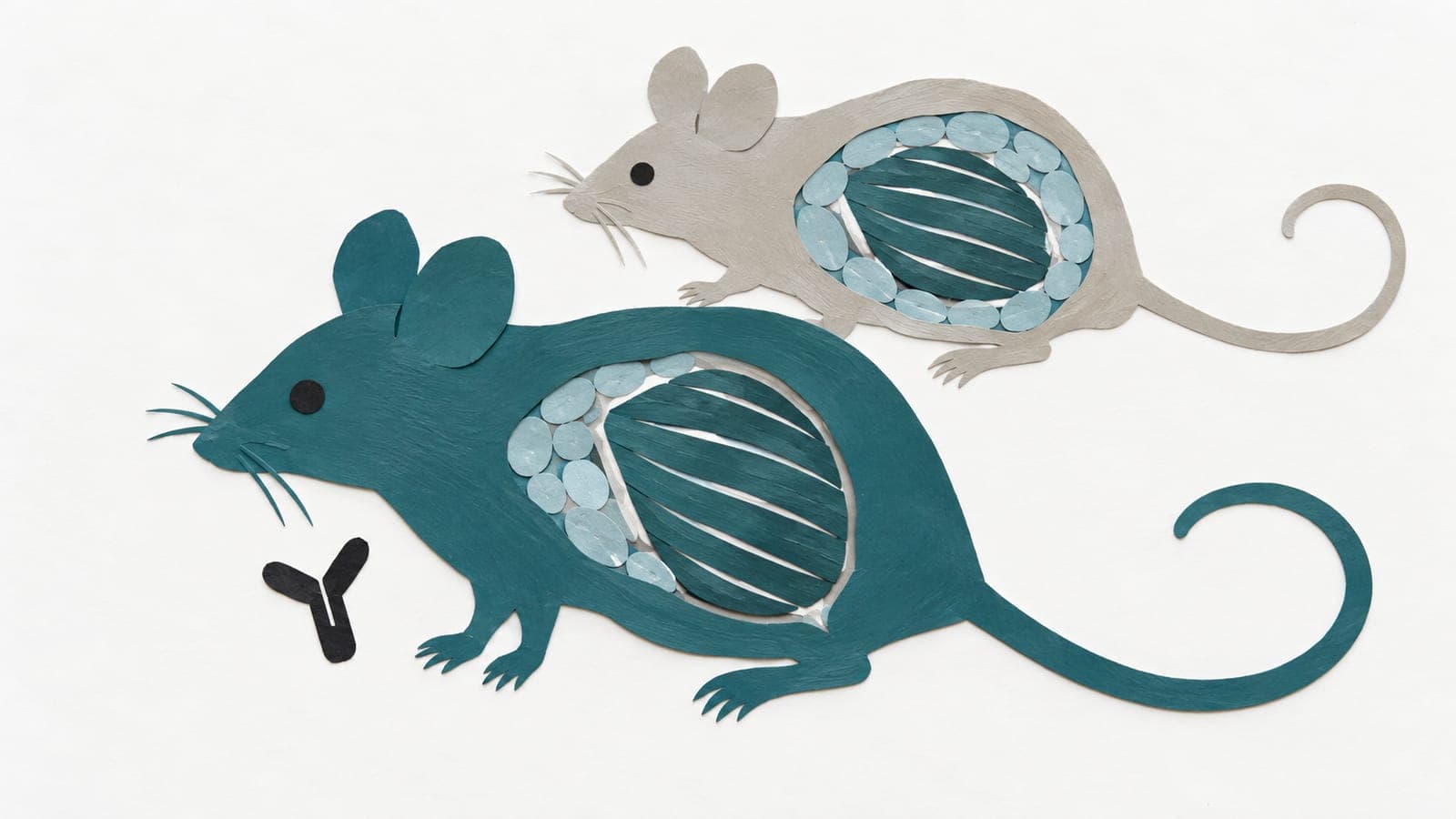
Growth differentiation factor 15 (GDF15) is an emerging target for obesity, but the effects of sustained physiological increases in endogenous GDF15 remain unclear. Here we use muscle-targeted CRISPR activation to elevate endogenous Gdf15 expression in mice. High-physiological circulating GDF15 prevents diet-induced obesity by limiting fat accumulation while preserving lean mass. This protection requires the endogenous Gdf15 locus and GFRAL signaling, without a detectable increase in energy expenditure. Alongside modest, inconsistent reductions in food intake, Gdf15 activation increases fecal energy excretion, accompanied by gut microbiota remodeling and altered ileal transcriptional programs. In mice with established obesity, Gdf15 activation reduces adiposity and increases fecal energy excretion without a detectable reduction in food intake. These findings identify fecal energy excretion as a GDF15-regulated component of energy balance and support a role for endogenous GDF15 beyond appetite regulation.
The paper
German Institute of Human Nutrition; Helmholtz Munich
Research Square, 15 Oct 2026, Open access, Preprint, not peer-reviewed