Vaccine patch under the tongue protected aged mice from flu
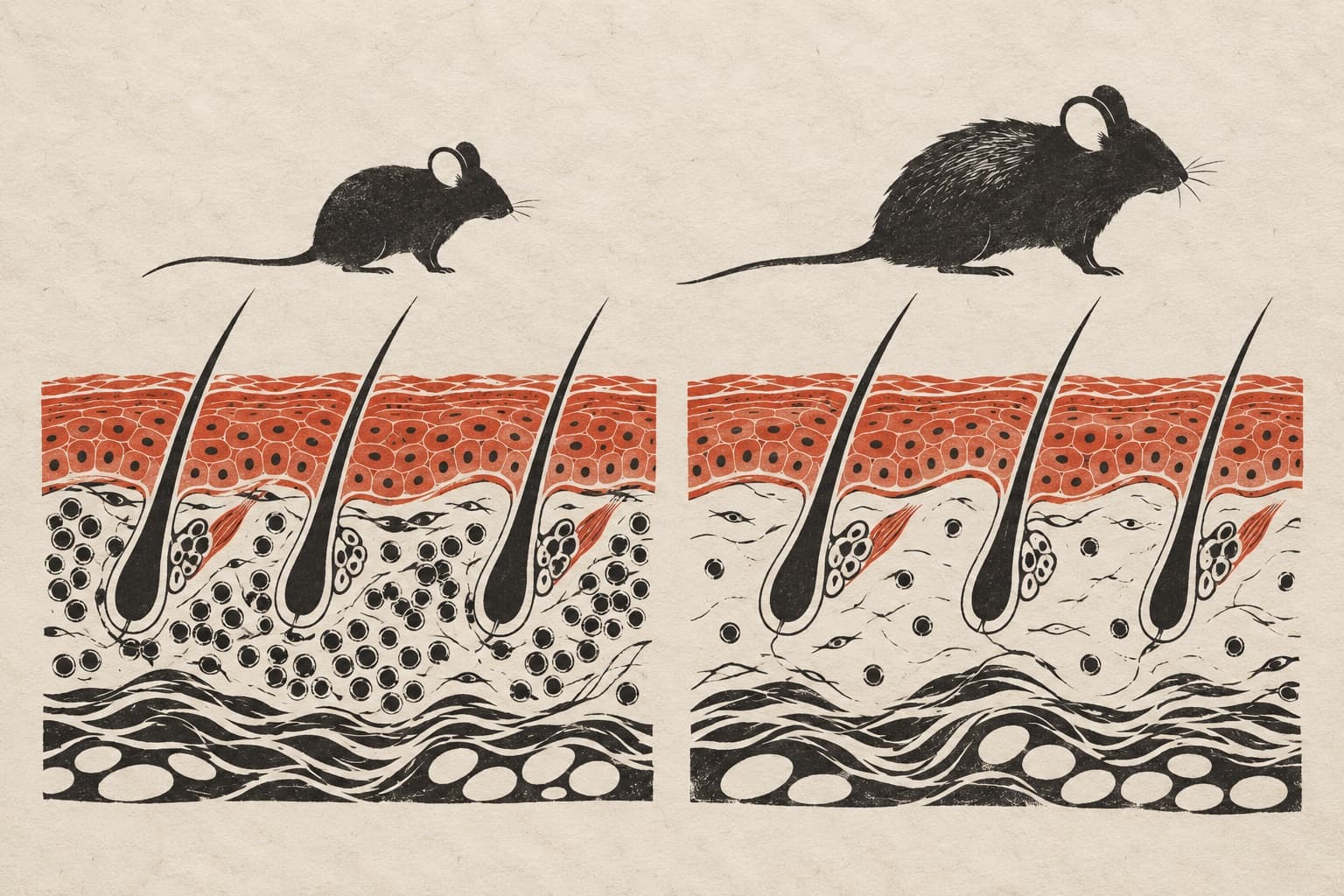
When aged mice were exposed to influenza, the patch provided 100% protection, compared with 75–80% protection from injected formulations.

Limit: Protection was measured after injected priming, not with the patch alone
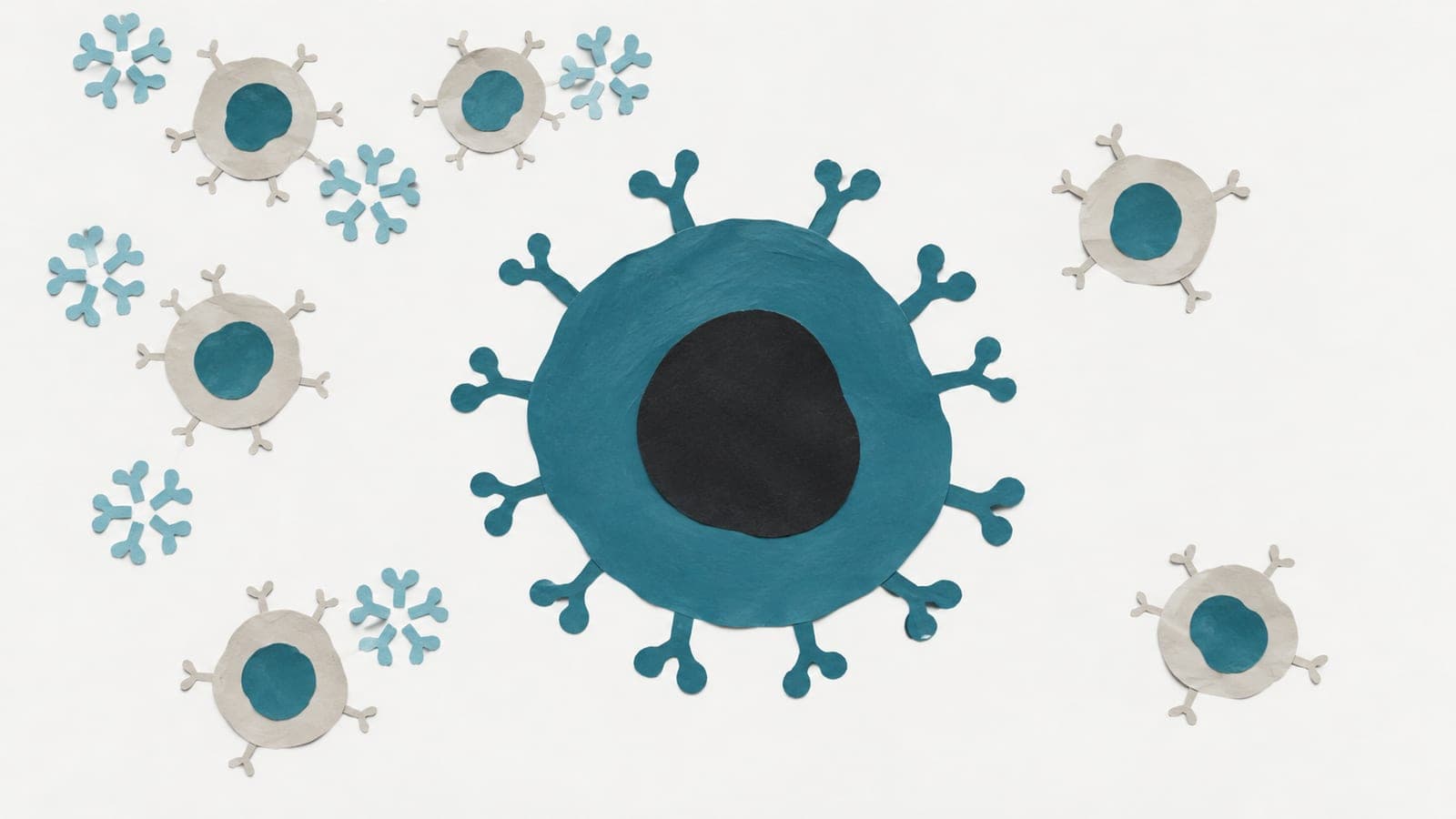
In an animal experiment, researchers tested an under-the-tongue influenza vaccine patch in young mice aged 2–3 months and aged mice aged 16–18 months. The patch used chitosan, a material that helped it stick under the tongue, to deliver a vaccine containing a virus protein.
The patch provided 100% protection in aged mice exposed to influenza, compared with 75–80% protection from injected formulations. It did so despite lower levels of one type of antibody. The patch failed to protect young mice. The researchers suggested that age-dependent immune mechanisms might account for the difference.
Why it matters
Age-related immune decline can weaken vaccine responses. The study explored whether vaccine delivery through the lining of the mouth might help address that decline.
Caveats
This animal experiment cannot establish whether the patch would protect older people. The preprint has not been peer-reviewed, and its abstract did not report group sizes or define “protection”.
The paper
Sublingual vaccination by chitosan-based patch protected aged mice from influenza virus infection
Lyon 1 Université
Research Square, 12 Oct 2026, Open access, Preprint, not peer-reviewed