A UHRF1 feed-forward mechanism sustains DNA methylation at CpG-sparse genomic regions
Binding of mono-ubiquitinated histone H3 by UHRF1 drives multi-mono-ubiquitination to prevent methylation loss in regions typically degraded during cancer and aging.
bioRxiv
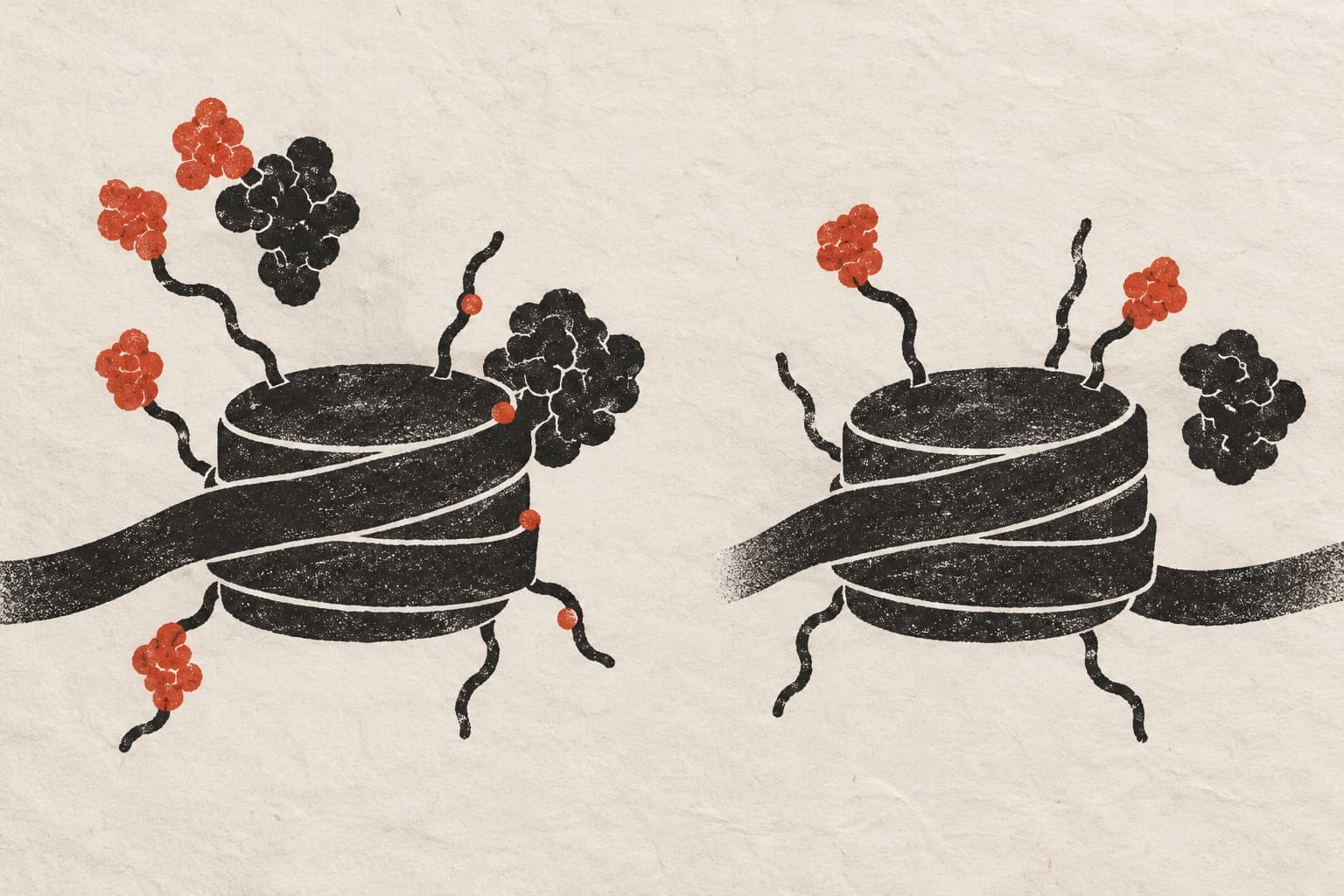
In mammalian cells, researchers investigated how the epigenetic cofactor UHRF1 promotes multi-mono-ubiquitination on histone H3 tails to recruit the maintenance methyltransferase DNMT1. The preprint reports that UHRF1 directly binds its own mono-ubiquitinated H3 products through an uncharacterized LGDDSL loop within Tudor 2 of its tandem Tudor domain. This binding event promotes subsequent rounds of ubiquitin deposition in a feed-forward read-write loop. When the authors disrupted this ubiquitin-reading activity, cells showed impaired H3 multi-mono-ubiquitination. Consequently, this disruption accelerated the loss of DNA methylation in late-replicating, CpG-sparse genomic regions, mimicking the defects seen when UHRF1 ubiquitin ligase activity is lost.
Why it matters
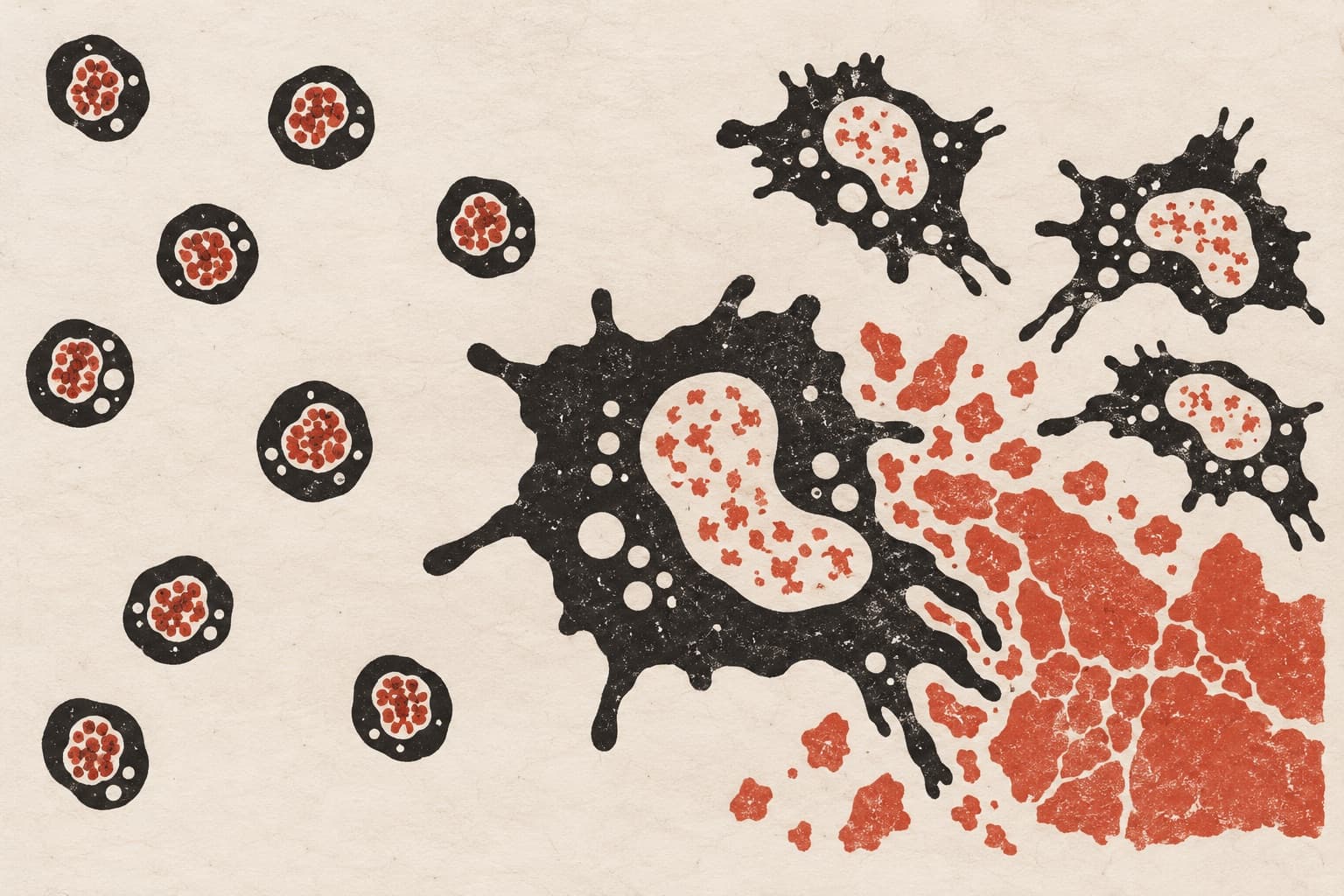
DNA methylation loss in CpG-sparse, late-replicating domains is a recognized feature of both aging cells and cancer. Clarifying how UHRF1 protects these vulnerable regions reveals a molecular mechanism necessary for preserving mammalian epigenetic maintenance.
Caveats
The findings are based on cell models and have not yet undergone peer review, as the study is a preprint.
The paper
Van Andel Institute
bioRxiv · 26 Sep 2026 · Preprint, not peer-reviewed