Parental dementia history linked to immune-cell shifts in midlife
An observational study of 1,204 middle-aged adults found no link between parental dementia history and faster aging on DNA-based measures or brain scans.
Cross-sectional study
Limit: Reported outcomes cover immune cell composition, not immune function
Edited by Boris Djordjevic · AgingResearch.News
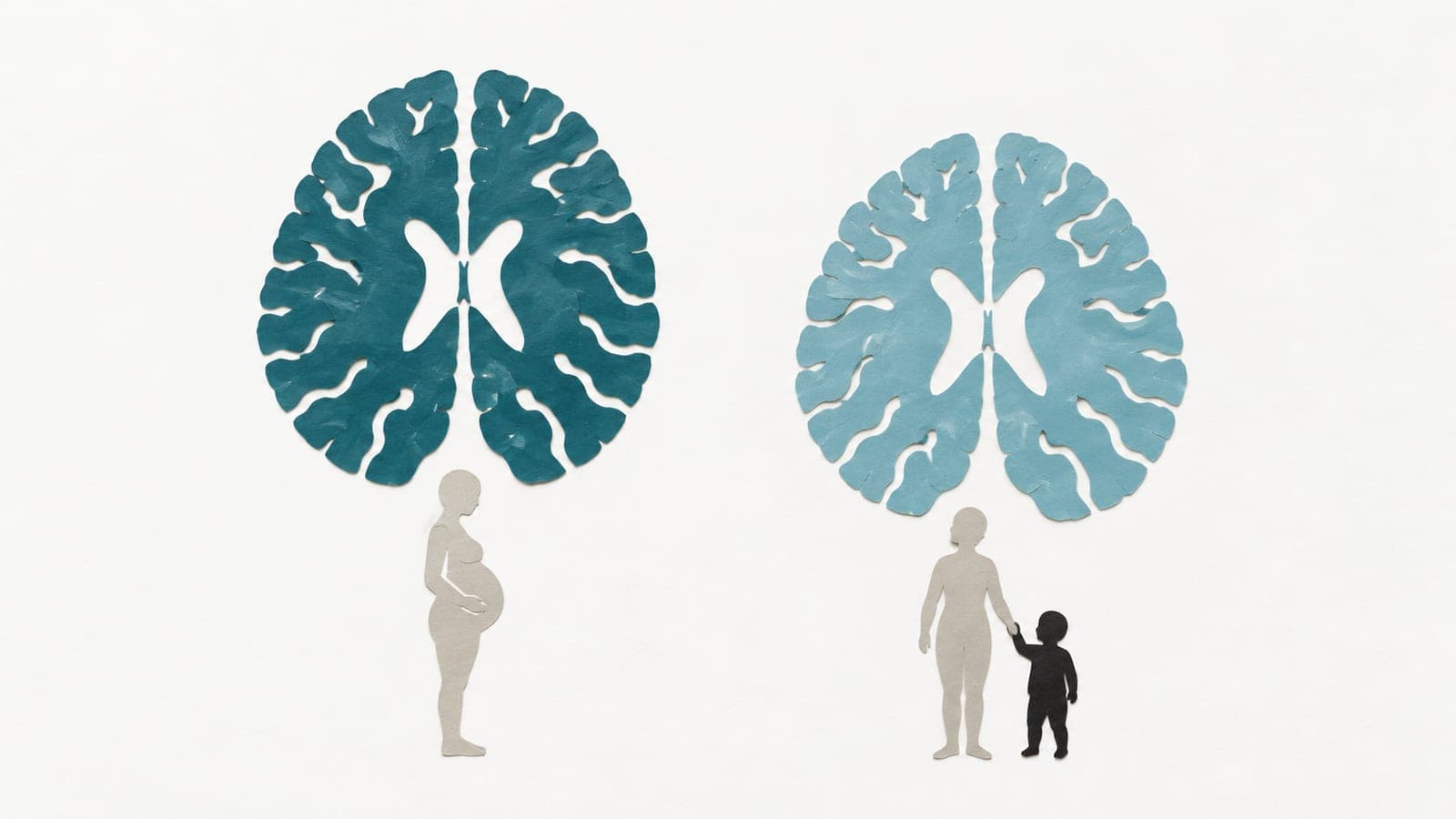
An observational study of 1,204 middle-aged adults examined links between parental dementia history and immune cell composition, aging measures based on chemical tags on DNA, and brain scans. Parental dementia history was not associated with faster aging on the DNA-based or brain measures.
It was associated with an expansion of CD8 memory T cells, immune cells that remember past threats. The link with shorter telomeres, the protective ends of chromosomes, weakened after researchers accounted for these cells. Earlier parental dementia onset was associated with a faster pace of biological aging. Poorer parental cognitive performance was linked to faster DNA-based aging and a larger gap between estimated brain age and actual age.
Why it matters
Parental dementia history is a risk factor for Alzheimer’s disease, but the underlying mechanisms remain poorly understood. The study examined immune and other aging processes as possible pieces of that link.
Caveats
The observational design cannot show that parental dementia history caused the immune-cell differences. The findings concern middle-aged adults, and the preprint has not been peer-reviewed.
- DNA methylation
- Immune response
- Telomerase and telomere maintenance
- Dementia
- Immune cell composition
- Humans
The paper
Department of Neurology, Taub Institute for Research on Alzheimer's Disease and the Aging Brain, Gertrude H. Sergievsky Center, College of Physicians and Surgeo
medRxiv, Oct 24, 2026, Open access, Preprint, not peer-reviewed