Raising an immune-cell protein eased liver injury in aged mice
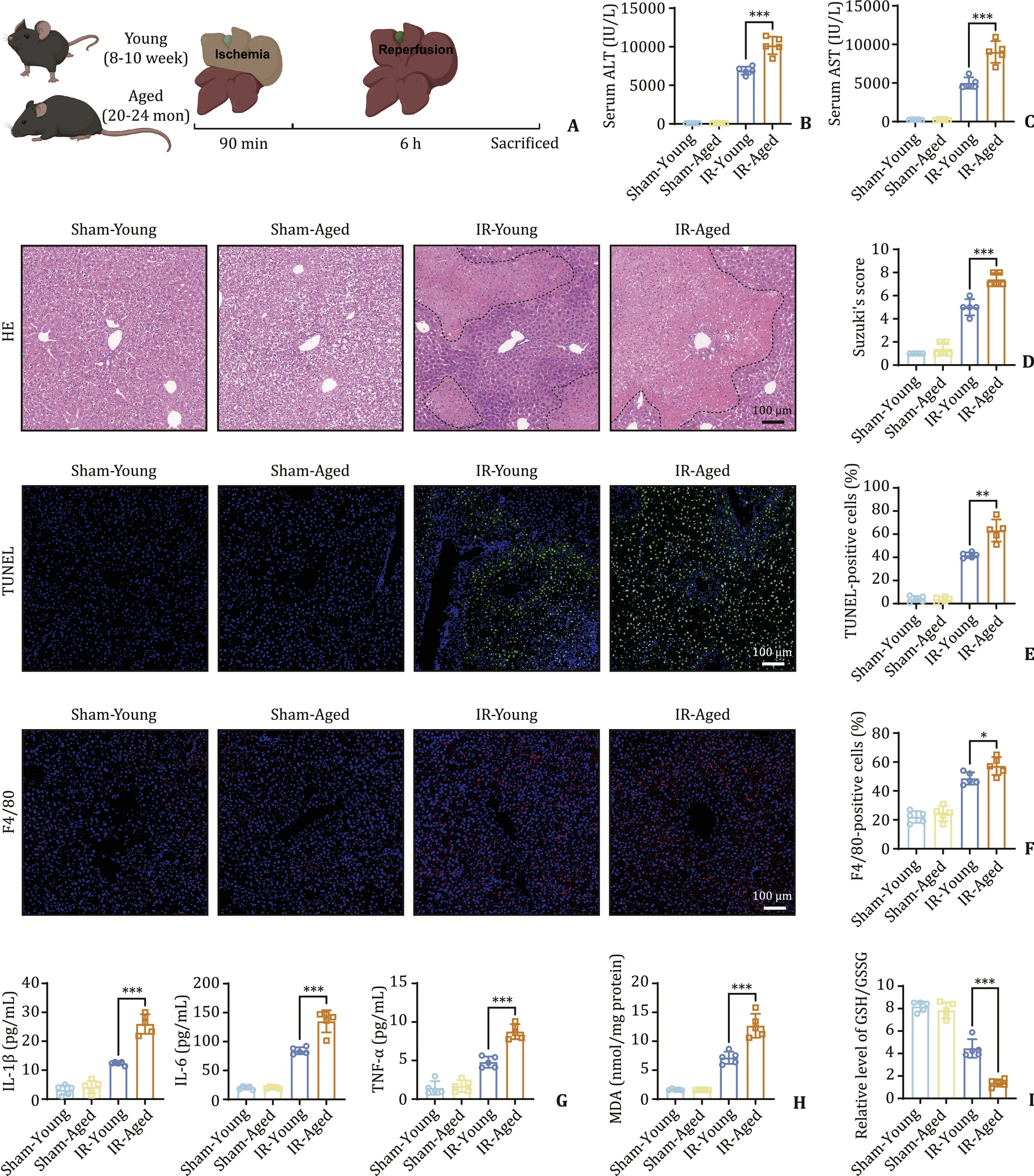
In experiments, aged mice had less of the protein and more injury than young mice after liver blood supply was interrupted and restored.
Our read
Mechanisms- Studied:
- Experiments in mice (Independent replication)
Editor of record: Boris Djordjevic · AgingResearch.News
Aged mice developed more severe liver injury than young mice when blood supply was interrupted and restored in an animal experiment. Their liver macrophages, a type of immune cell, contained less SIRT3, a protein that removes chemical tags from other proteins.
Deleting the gene for SIRT3 in myeloid cells, a group that includes macrophages, worsened injury and promoted an inflammatory macrophage state. Increasing SIRT3 in liver macrophages eased injury in aged mice. In lab experiments, SIRT3 removed these tags from IDH2, a protein involved in energy production. This shifted how macrophages produced energy and limited their shift toward an inflammatory state. In human liver grafts, low macrophage SIRT3 and high IDH2 tagging were associated with worse graft function after transplantation.
Why it matters
Older donor livers can help address organ shortages, but their vulnerability to injury when blood flow returns limits their use. The authors propose targeting this protein pathway to improve outcomes with older donor livers.
Caveats
The experiments showing that increasing SIRT3 eased liver injury were in mice. The human graft findings leave open whether increasing it would improve transplant outcomes in people.
The paper
Shanghai Jiao Tong University
Hepatobiliary & Pancreatic Diseases International, Oct 26, 2026
Comments
Be the first to comment.