Exercise program linked to better physical function in older adults
At 10 weeks, adjusted physical performance scores averaged 9.62 in the program group versus 7.80 in the control group.

Controlled, registered NCT07864831
Limit: Unmeasured motivation toward physical activity could explain part of the intervention group's better performance
Edited by Boris Djordjevic · AgingResearch.News
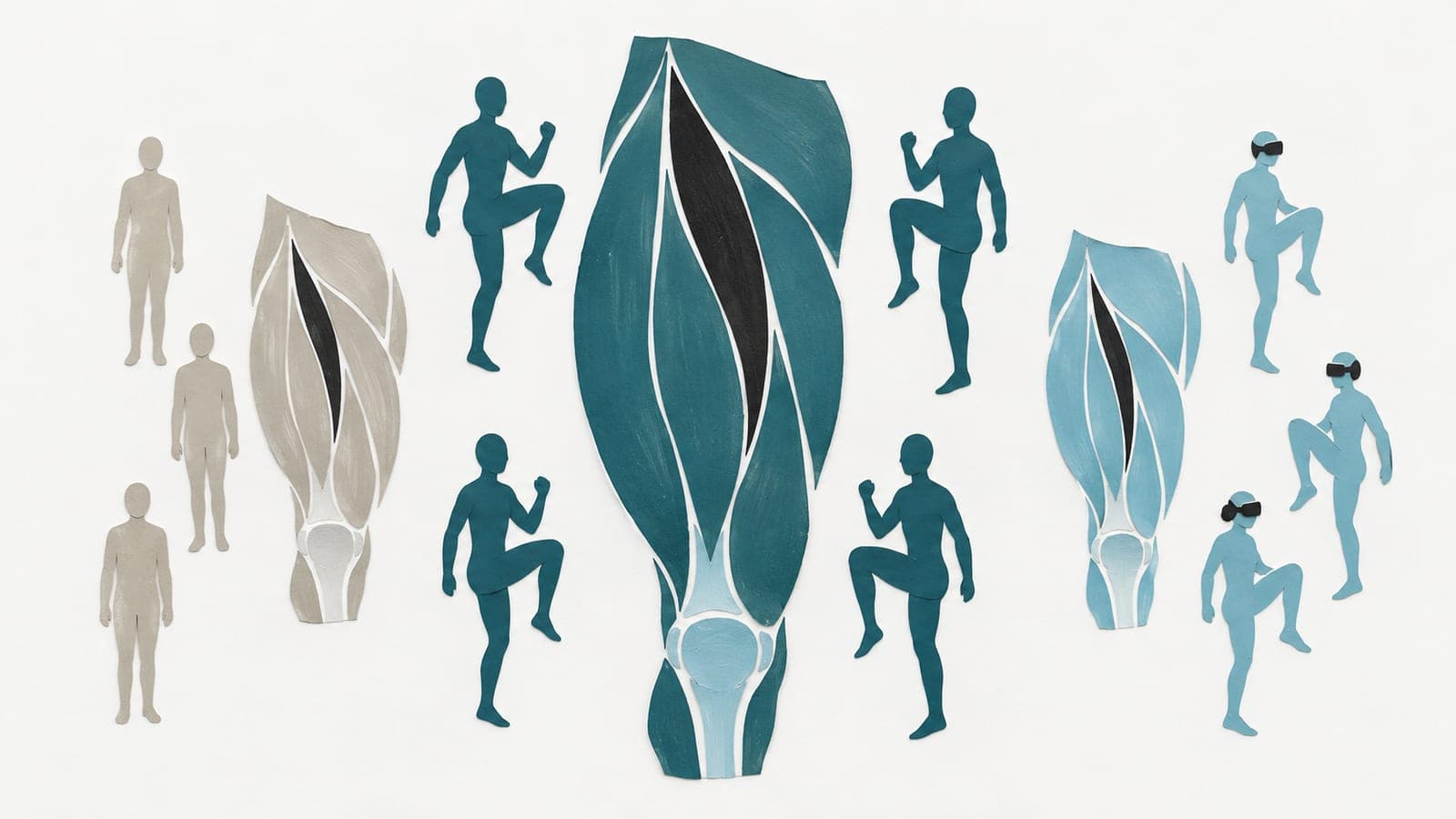
In a non-randomized controlled evaluation, 184 community-dwelling adults aged 65 or older joined an exercise and recreation program (103 people) or a control group (81). Group assignment used voluntary enrollment and geographic matching. The program offered 20 supervised sessions, twice weekly, combining several types of exercise with simple recreational activities.
At 10 weeks, program participation was associated with greater improvements in balance, walking, rising from a chair and overall physical performance. Adjusted scores on the Short Physical Performance Battery, which assesses balance, walking and chair rises, averaged 9.62 versus 7.80 in controls. Adjusted times on a test of standing up, walking and sitting down averaged 8.85 seconds versus 12.04 seconds. Delivery cost averaged €92.3 per participant, or €62.3 excluding research monitoring devices.
Why it matters
The evaluation explored a community-based approach to physical abilities relevant to frailty in older age, while also measuring delivery costs.
Caveats
Allocation was not randomized, and the groups differed at the start, so the findings cannot show that the program caused the improvements. A single assessor who knew participants’ groups and designed and coordinated the program assessed outcomes.
From the paper
- Participants
A total of 184 adults aged 65 or older residing in Lorca participated, with 81 in the control group and 103 in the intervention group.
- Result
The estimations indicated that during the final measurement (T2), participants in the intervention group had significantly higher probabilities of maintaining balance (>10 s) compared to the control group (OR = 6.37; 95% CI: 1.75–23.26; p = 0.005).
- Events by group
In contrast, the intervention group showed improvements of 8% and 10% after 5 and 10 weeks, respectively.
- Limitation
The non-randomized design does not permit causal inference, and residual confounding, including unmeasured differences in prior physical activity or concurrent rehabilitation, cannot be excluded despite statistical adjustment; the findings should therefore be read as associations.
Quoted word for word from the full text on mdpi.com.
The paper
Hospital Rafael Méndez; Universidad de Murcia
Healthcare, Oct 14, 2026, Open access