Two mole-rat species resist skin cancer but differ in immune response
Damaraland mole-rats developed no tumors over more than three years, while their immune response to cancer-causing chemicals differed from that of naked mole-rats.
Limit: Damaraland mole-rats’ abundant hair follicles can influence skin immune cell recruitment independently of cancer resistance
Edited by Boris Djordjevic · AgingResearch.News
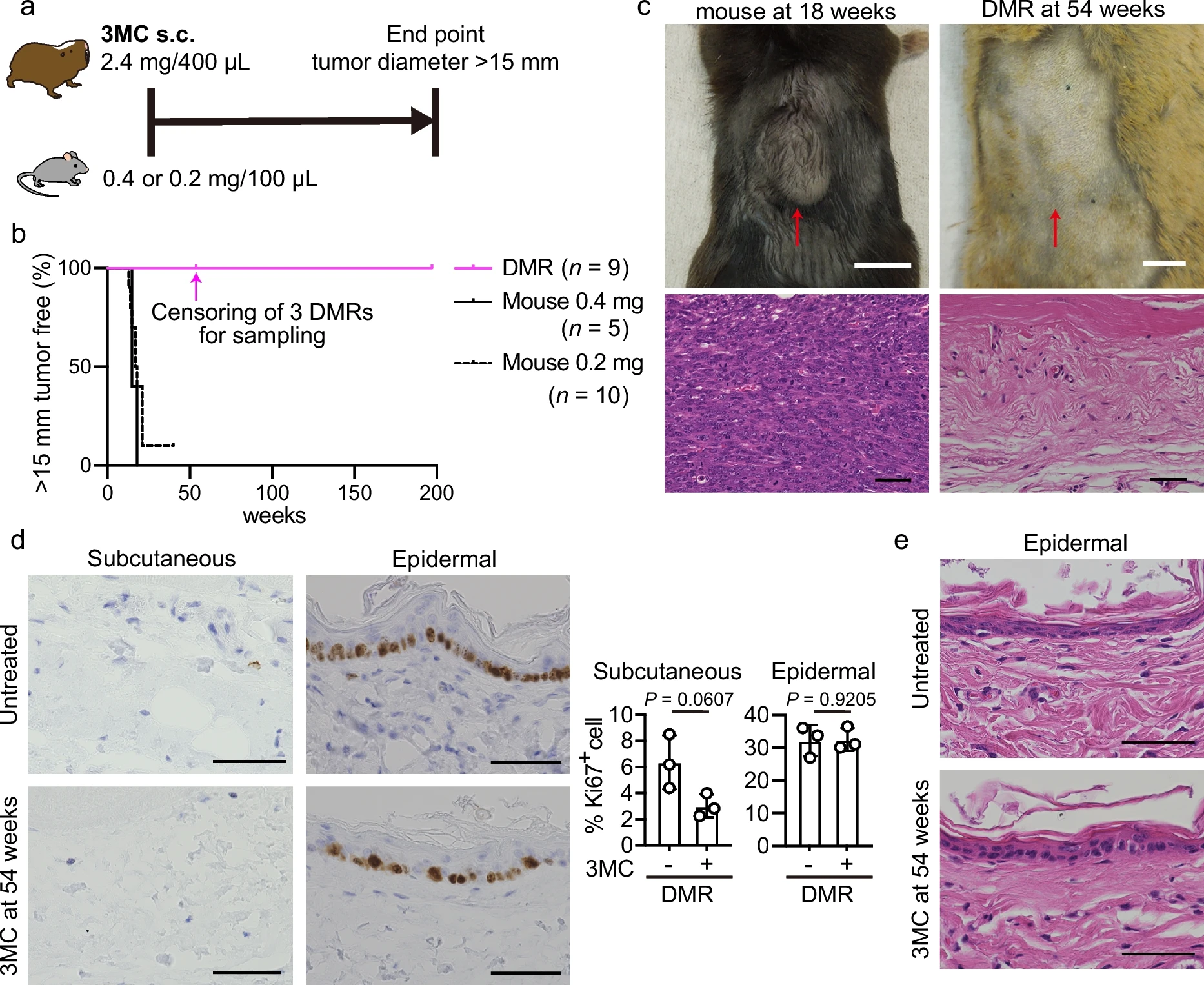
In experiments with naked mole-rats and Damaraland mole-rats, researchers tested resistance to chemically induced skin cancer and examined immune responses. Damaraland mole-rats were highly resistant to skin cancer caused by two different chemicals. They developed no tumors over more than three years.
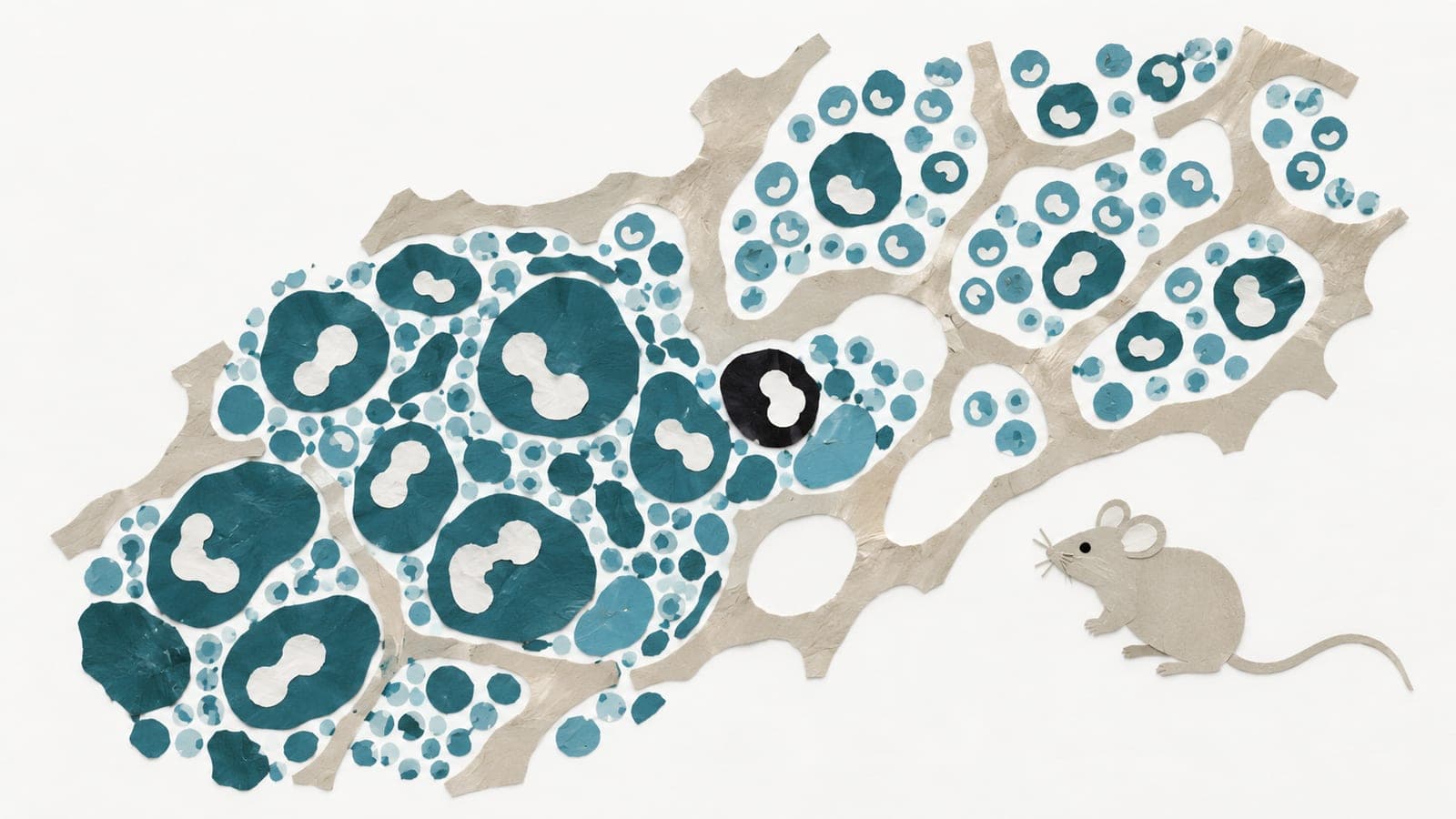
Despite their shared cancer resistance, the species responded differently. After chemical exposure, Damaraland mole-rats showed a strong buildup of immune cells in tissue. Naked mole-rats showed only a minimal buildup. Damaraland mole-rats increased the activity of genes involved in broad immune responses. They also increased activity of genes for molecules that may restrain excessive inflammation. Naked mole-rats showed limited changes in gene activity, suggesting that the species may use different strategies to protect their tissues.
Why it matters
These long-lived mammals offer a way to study which biological pathways are associated with natural cancer resistance over a long lifespan.
Caveats
The experiments tested chemically induced skin cancer, not resistance to every kind of cancer. The findings came from mole-rats, not people.