Behavior changes linked to protein buildup in Down syndrome
In cognitively stable adults with few symptoms, odds of developing additional abnormal behaviors rose by a factor of 1.51 per year.
Limit: Behavioral symptoms were measured by questionnaires, leaving the association vulnerable to reporting errors
Edited by Boris Djordjevic · AgingResearch.News
An observational cohort study examined behavioral symptoms in about 336 adults with Down syndrome at 10 university sites in the US and UK. Researchers used questionnaires to measure additional abnormal behaviors and the absence of normal behavior or motivation. They also measured Alzheimer’s-related brain changes and cognitive performance.
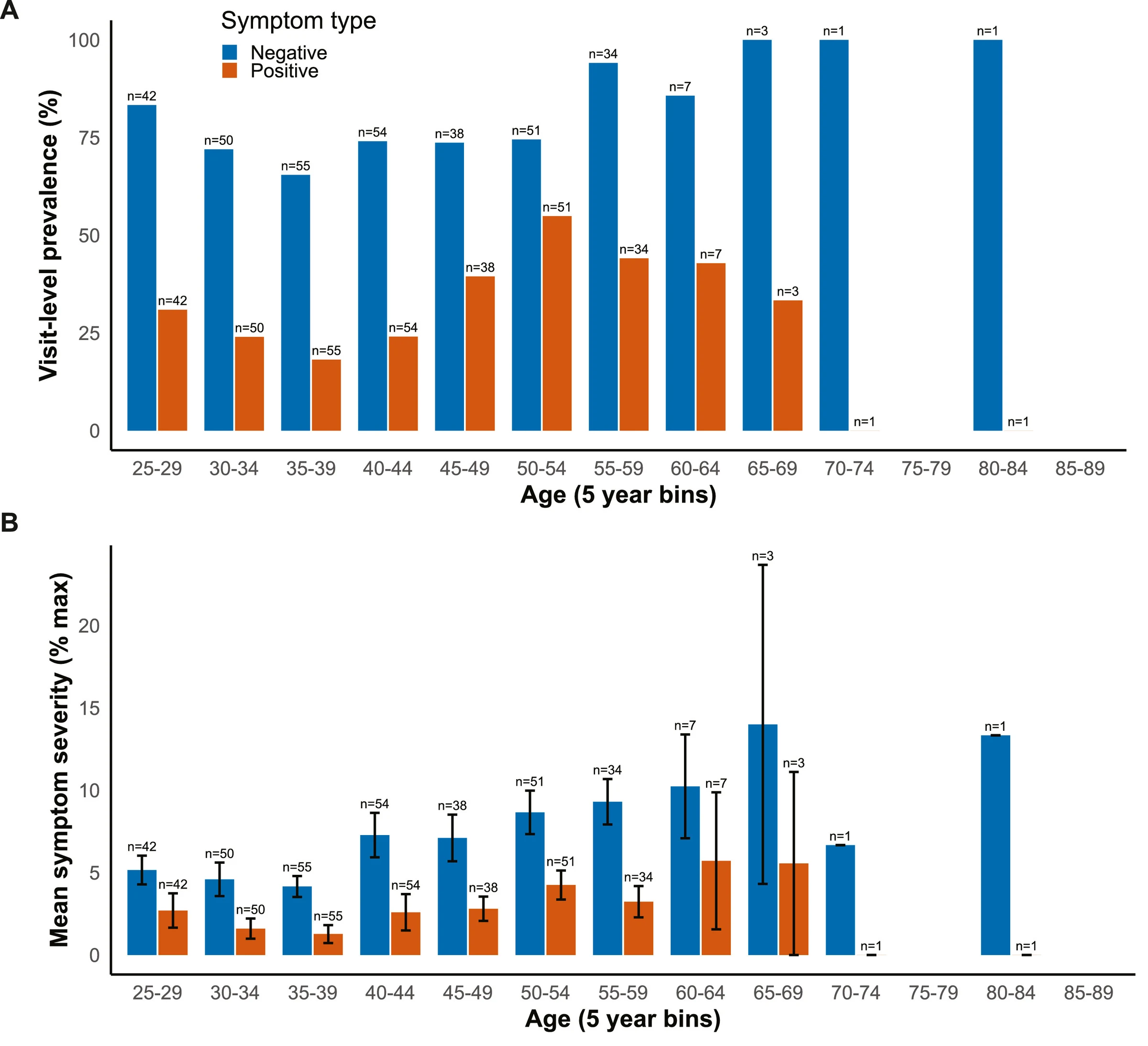
Behavioral symptoms were common across adulthood. Among cognitively stable participants with few symptoms, the odds of developing additional abnormal behaviors rose by a factor of 1.51 per year. The odds of developing symptoms involving absent normal behavior or motivation rose by a factor of 1.42 per year. Greater severity of additional abnormal behaviors was associated with greater buildup of tau, a brain protein, in two brain regions. More severe symptoms involving absent normal behavior or motivation were linked to poorer memory-test performance.
Why it matters
The study addressed whether behavioral symptoms could accompany developing Alzheimer’s-related changes in adults with Down syndrome whose cognition was still stable.
Caveats
This observational study identified associations, not whether tau buildup caused behavioral changes. Researchers measured symptoms with questionnaires, and the findings concern adults with Down syndrome.
The paper
University of Southern California; Vanderbilt University
The American Journal of Geriatric Psychiatry, Sep 25, 2026