Food contaminant restricts fetal growth in mice
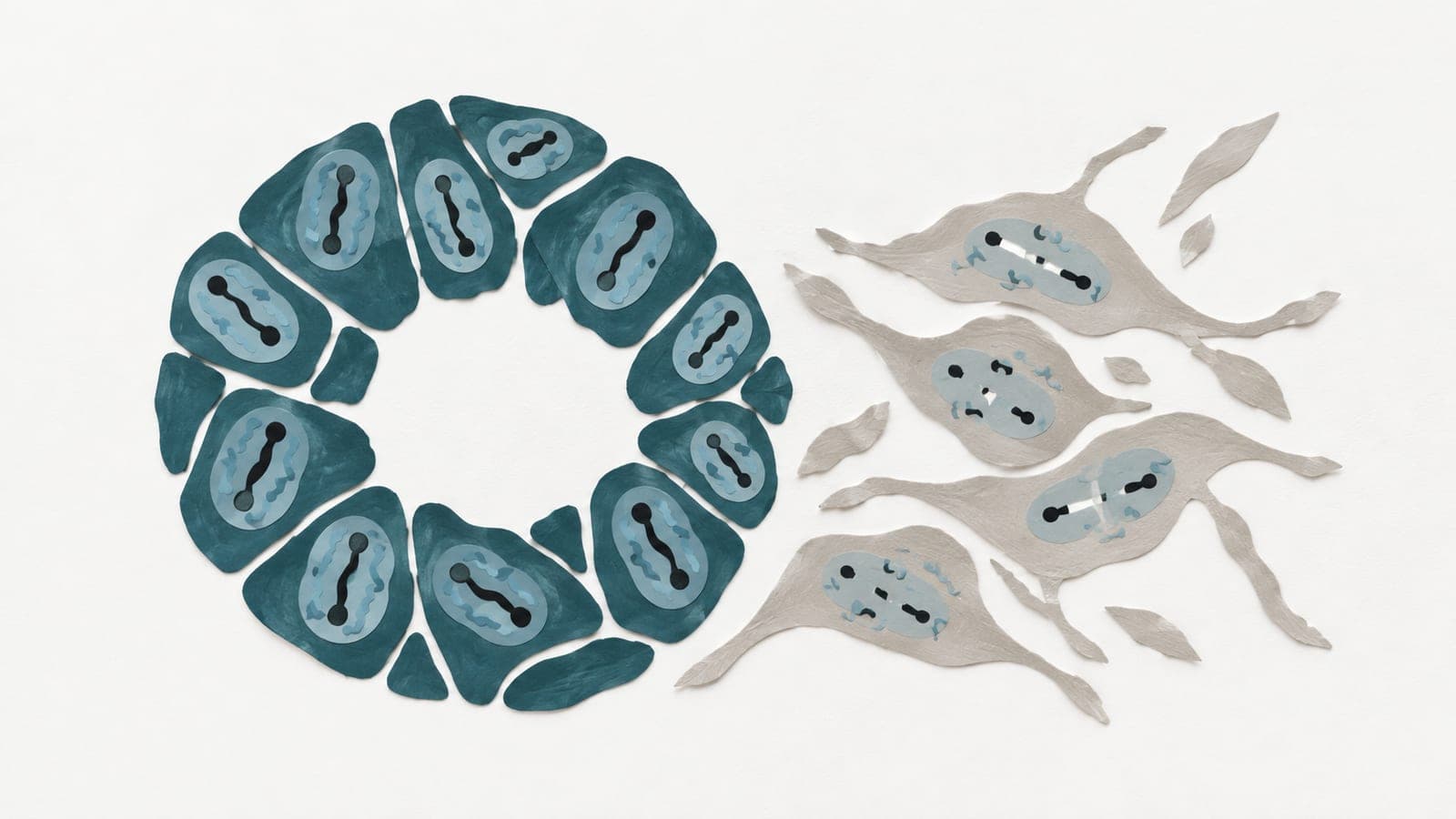
Mouse experiments linked restricted fetal growth to senescence, a state in which cells stop dividing, in the placenta’s blood vessels.
Limit: The abstract omits doses, preventing comparison with typical dietary exposure
Edited by Boris Djordjevic · AgingResearch.News
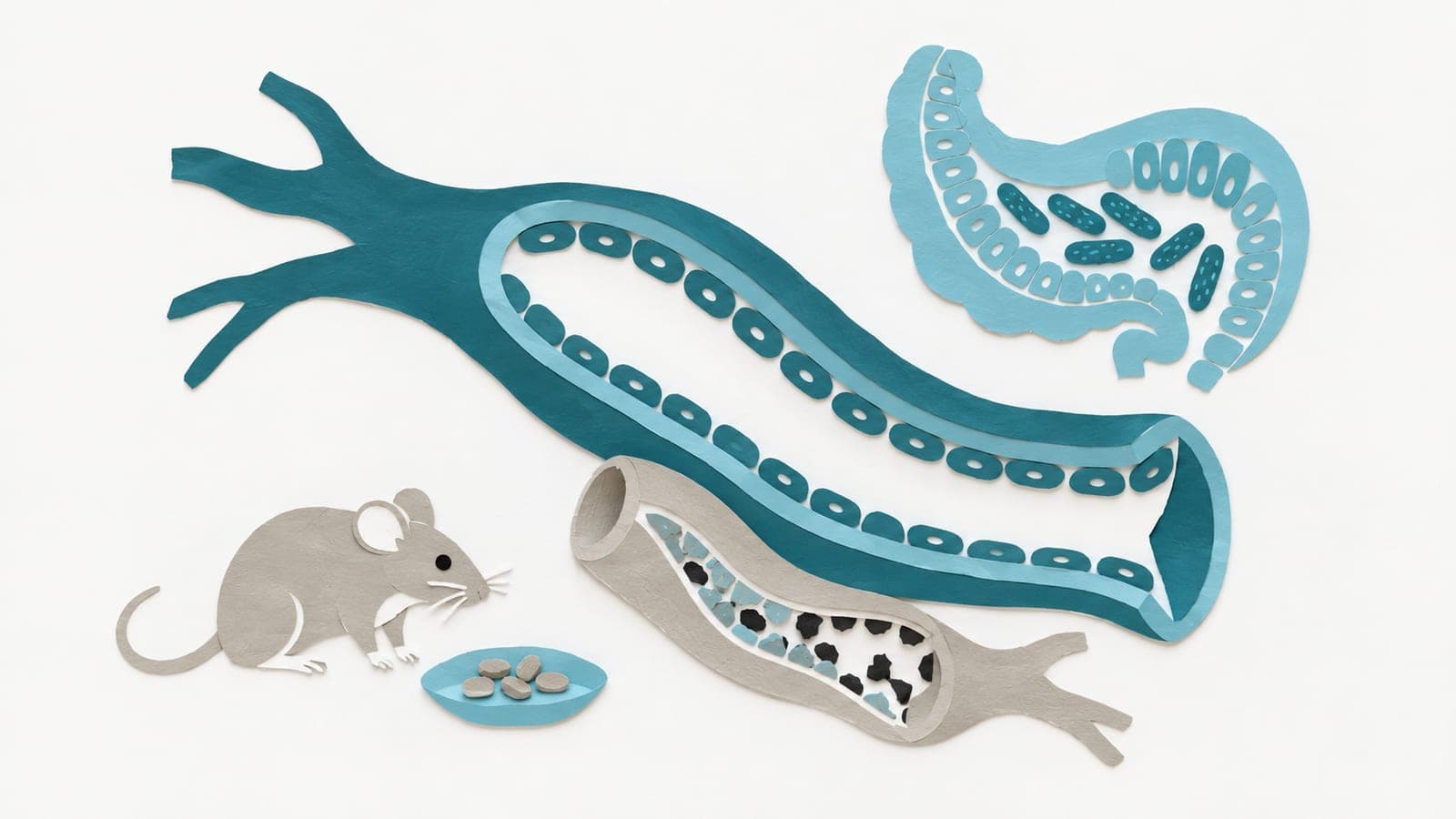
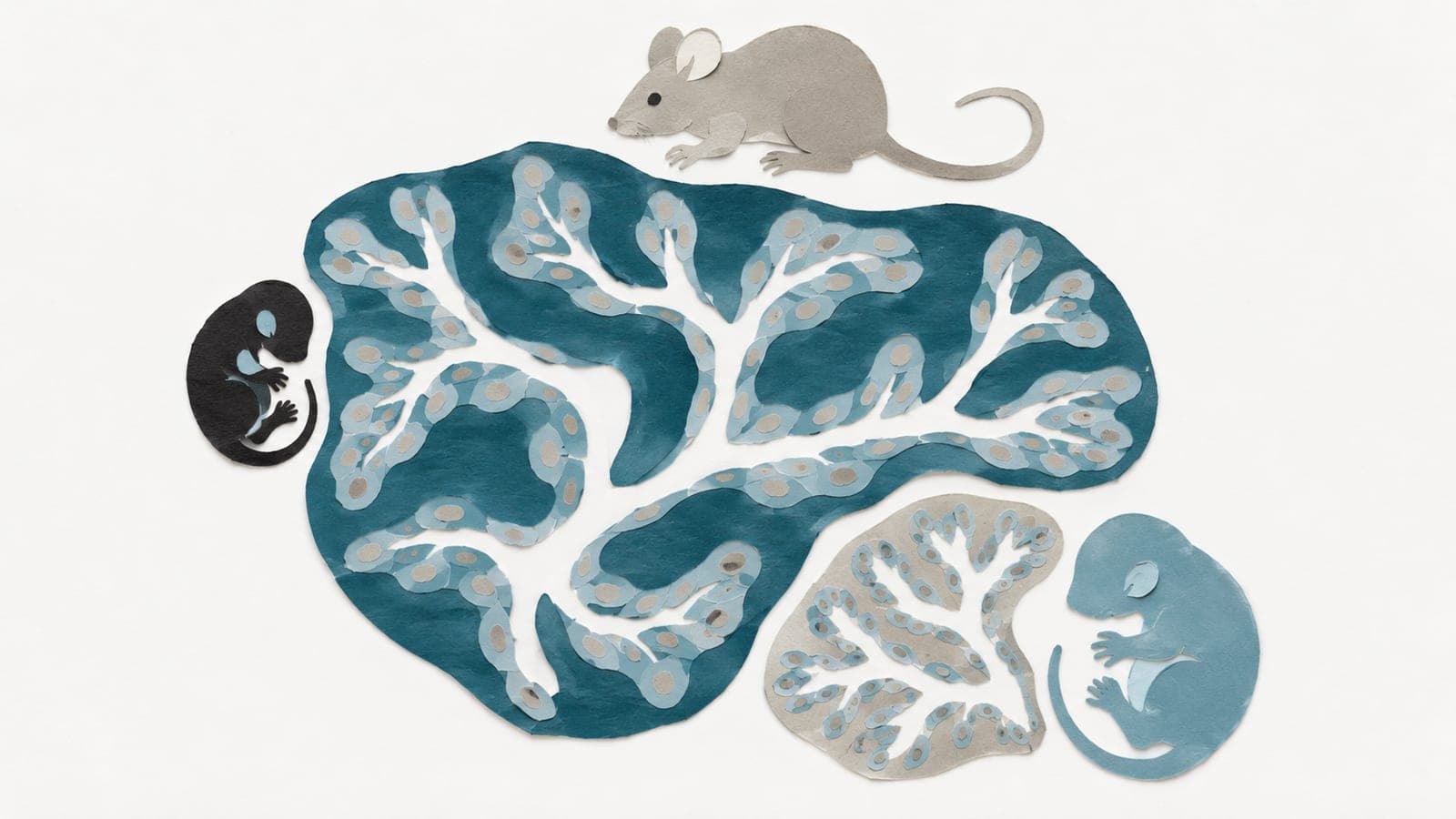
In mice, experiments found that exposure during pregnancy to the food contaminant 3-monochloro-1,2-propanediol restricted fetal growth by triggering senescence in placental blood vessels. Senescence is a state in which cells stop dividing. The contaminant also depleted placental taurine, a naturally occurring compound.
The researchers traced this disruption to increased activity of Ezh2, a protein that helps regulate gene activity. Ezh2 added repressive chemical marks at the control region of Fmo1, a gene involved in taurine metabolism, suppressing its activity. In separate experiments with human endothelial cells, which line blood vessels, taurine supplementation or inhibition of Ezh2 countered the senescence caused by the contaminant.
Why it matters
The work points to taurine regulation as a potential target for addressing placental blood-vessel senescence, connecting a process studied in aging biology with developmental health.
Caveats
The study used mice and human cells grown in the lab; it did not test whether taurine supplementation protects pregnancies in people. The abstract did not report sample sizes, doses or exposure duration.
The paper
Anhui Medical University
Journal of Agricultural and Food Chemistry, Sep 30, 2026