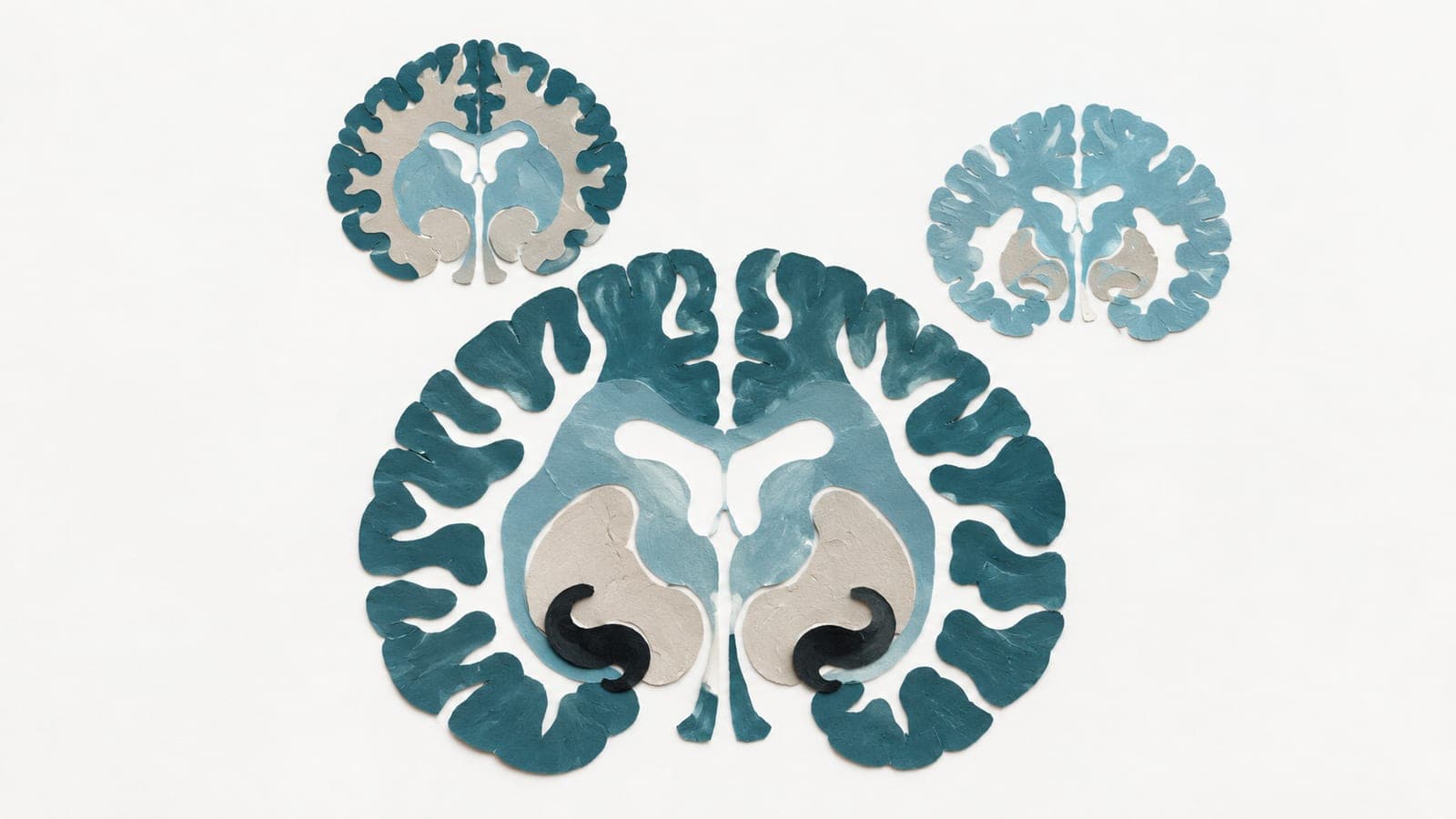
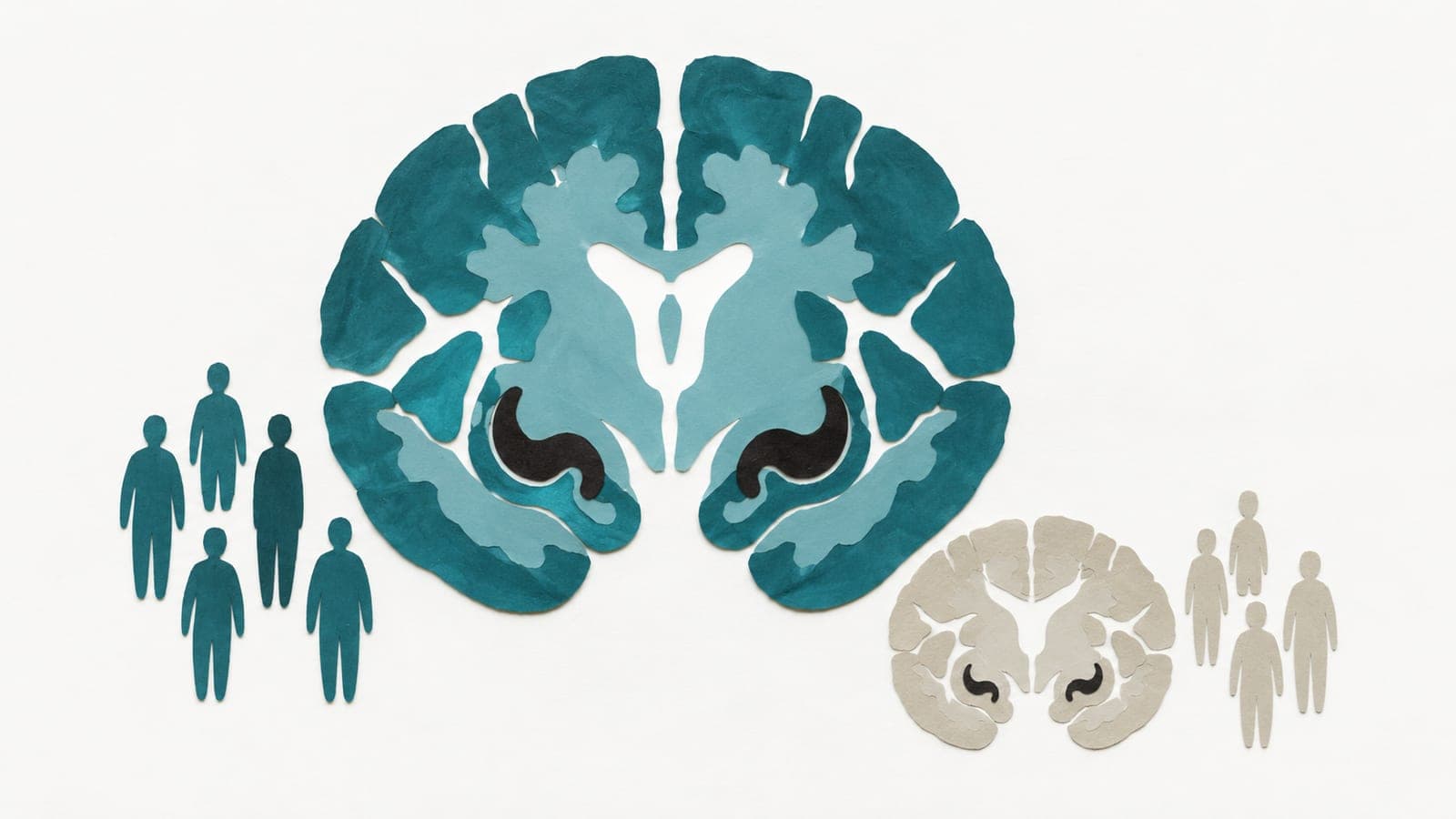
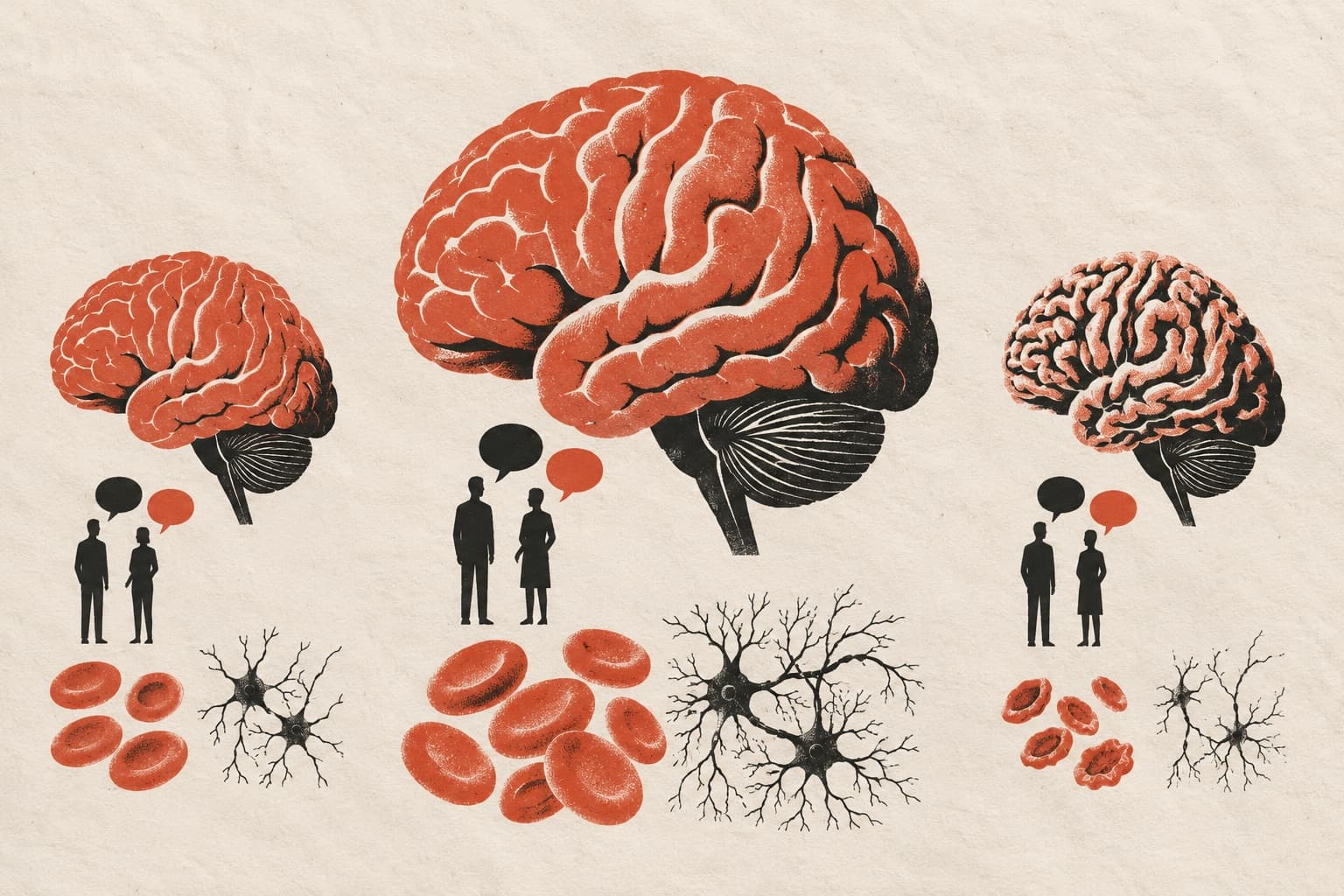
Brain activity complexity differed with aging and Alzheimer's
An observational analysis of electrical brain recordings linked healthy aging to greater pattern complexity, but mild cognitive impairment and Alzheimer's disease to lower complexity.
Limit: The abstract omitted participant numbers and ages, limiting assessment of sample size and age differences
Edited by Boris Djordjevic · AgingResearch.News
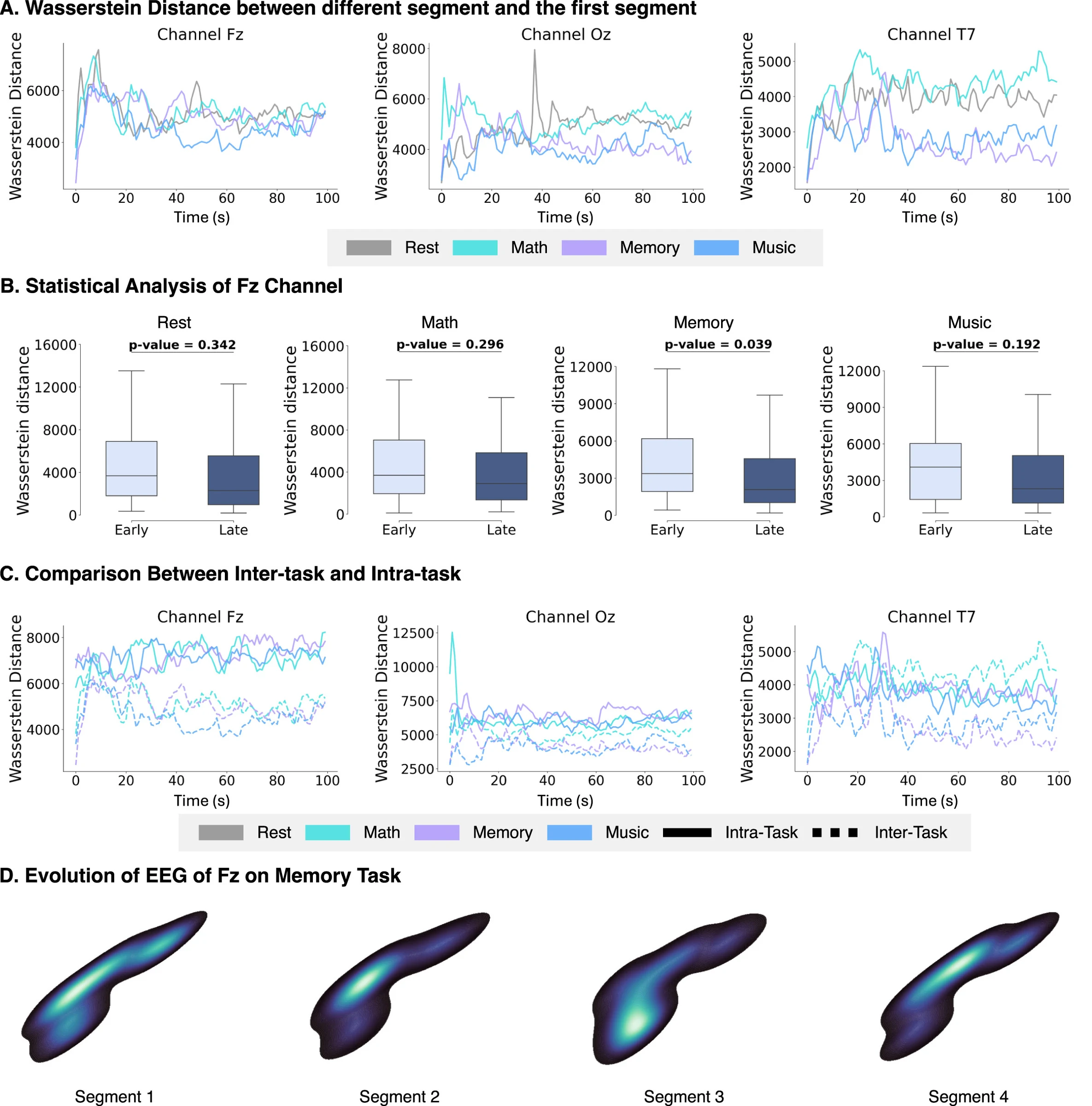
In an observational study, researchers analyzed electrical brain recordings from people in datasets covering multiple tasks, the lifespan and clinical conditions. They measured how the mix of short-term activity patterns changed over time. They also estimated pattern complexity using a measure of how many dimensions were needed to describe the activity.
Greater complexity was consistently associated with greater changes in the mix of activity patterns. Healthy aging was associated with higher complexity and modestly greater shifts in that mix. Mild cognitive impairment and Alzheimer's disease were associated with lower complexity and smaller shifts. The researchers concluded that cognitive aging and impairment were associated with distinct changes in how brain activity patterns were organized.
Why it matters
Mapping the organization of brain activity may offer a complementary way to characterize cognitive states across aging and disease.
Caveats
The observational analysis cannot show that aging or disease caused these differences. The abstract did not report participant numbers or ages.
- Modeling and theory
- Mild cognitive impairment
- Alzheimer's disease
- Distributional changes in EEG activity
- EEG distributional displacement
- Humans
The paper
Jinan University
Clinical Neurophysiology, Oct 8, 2026