Gene variants made human blood-forming cells stop dividing early
In experiments with human blood-forming cells, an additional mutation reduced the defects caused by one inherited variant.

Edited by Boris Djordjevic · AgingResearch.News
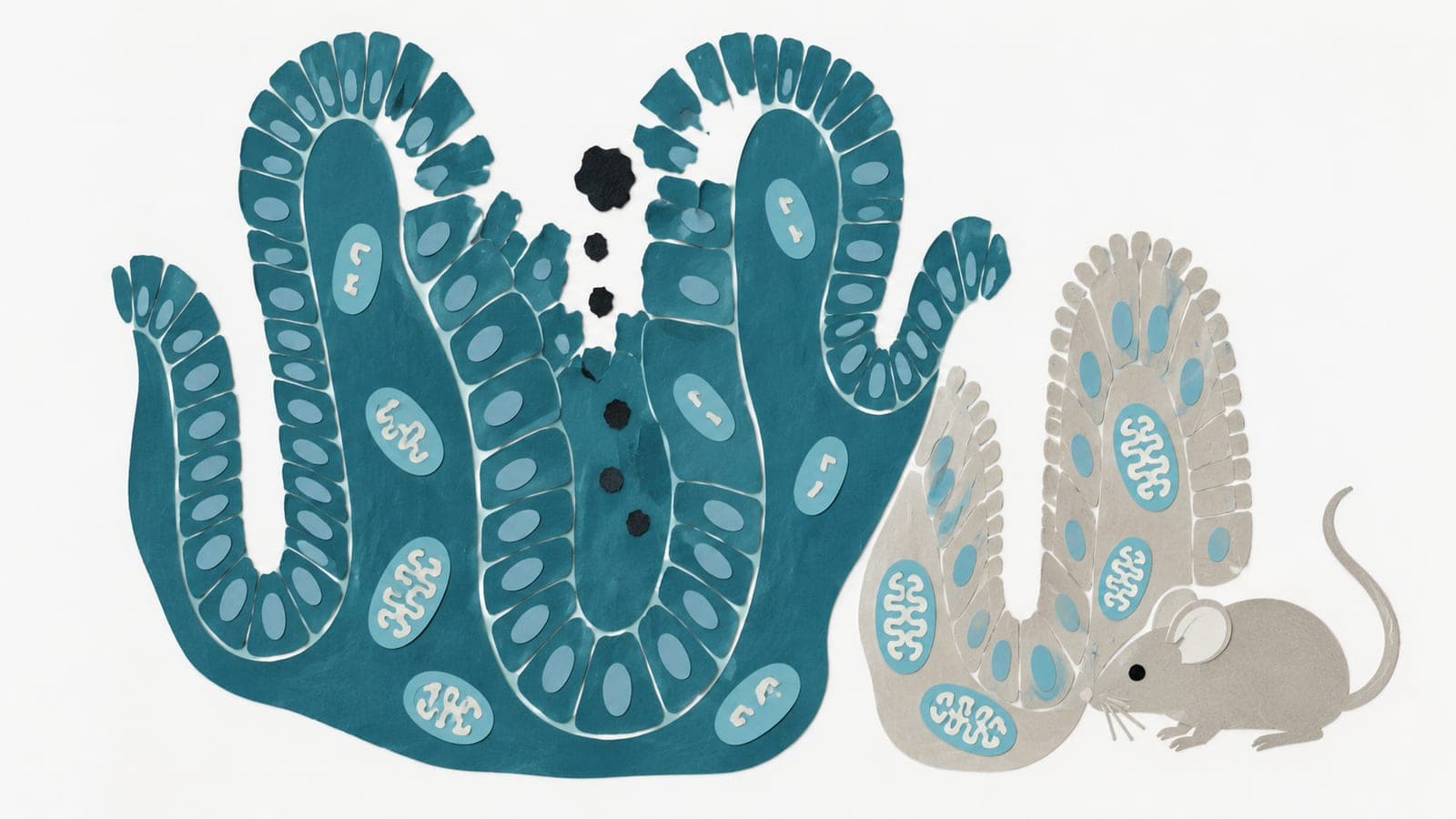
In experiments in human CD34-positive cells, which include blood-forming stem and precursor cells, researchers introduced either of two inherited variants of SEPT6, a gene involved in cell structure and division. The variants had been identified in two children with congenital neutropenia, a condition involving low numbers of infection-fighting white blood cells, and myelodysplastic syndrome, a disorder of blood cell production.
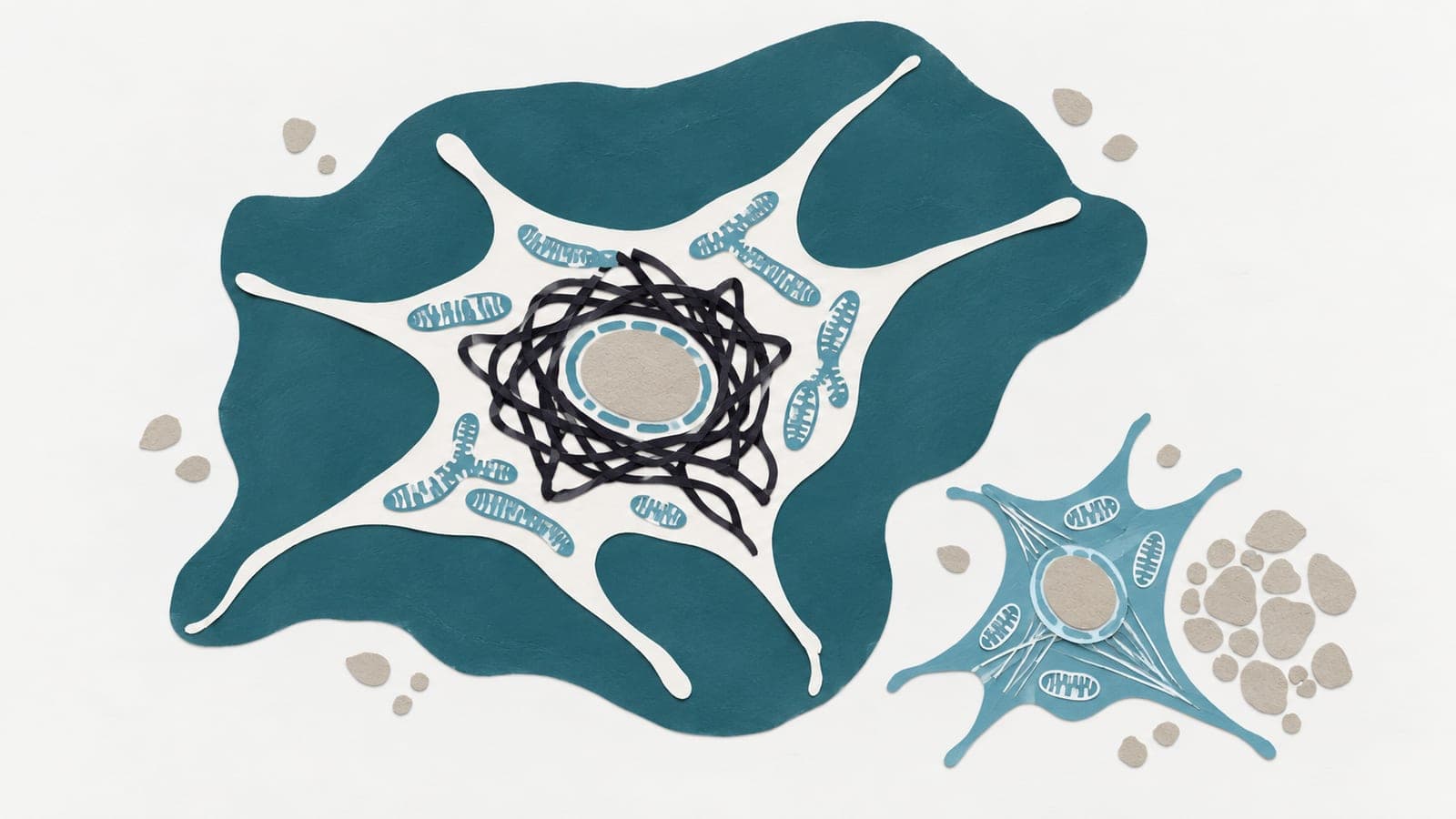
The variants produced enlarged cells with multiple nuclei. Blood-forming stem and precursor cells became exhausted faster and entered senescence, a state in which cells stop dividing, prematurely. Inhibiting a signaling pathway that regulates cell growth relieved senescence. The cells also showed abnormalities in mitochondria, their energy-producing structures. Adding an acquired SEPT6 mutation to the same gene copy as one inherited variant reduced all observed defects.
Why it matters
Premature senescence raises a question relevant to aging biology: how does stopping cell division too soon impair blood formation? The findings suggest this process may contribute to marrow failure associated with inherited SEPT6 variants.
Caveats
These were experiments in genetically altered human cells, not a treatment study in patients. They do not establish whether inhibiting the signaling pathway would benefit people carrying these mutations.
The paper
Boston Children's Hospital
JCI Insight, Oct 22, 2026, Open access