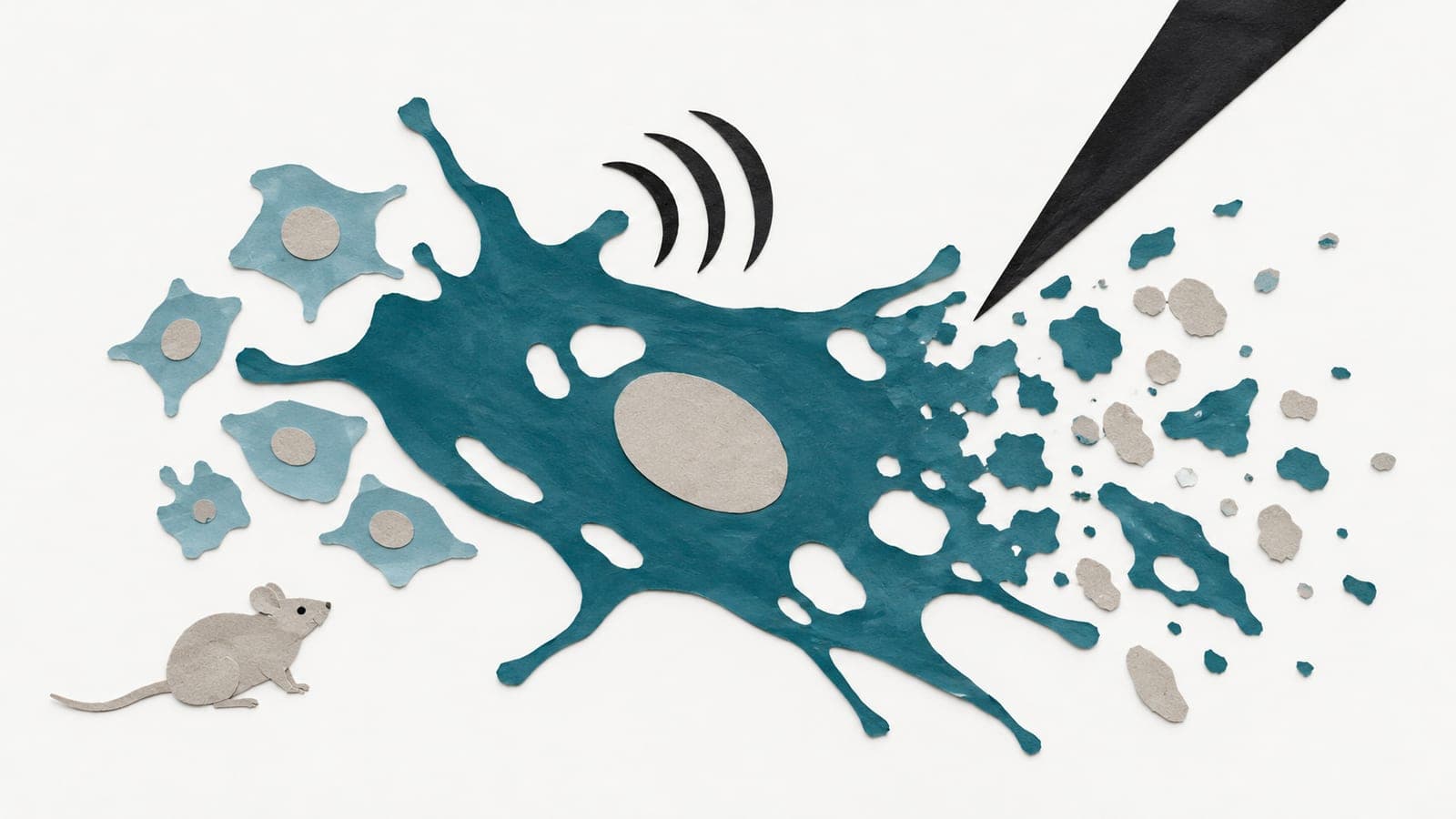
Plant compound may ease blood vessel dysfunction in mice
Researchers tested an enzyme-inhibiting plant compound in mice with fatty buildup in their arteries induced by a high-fat diet.
Limit: Tissue changes served as a stand-in for blood vessel function
Edited by Boris Djordjevic · AgingResearch.News
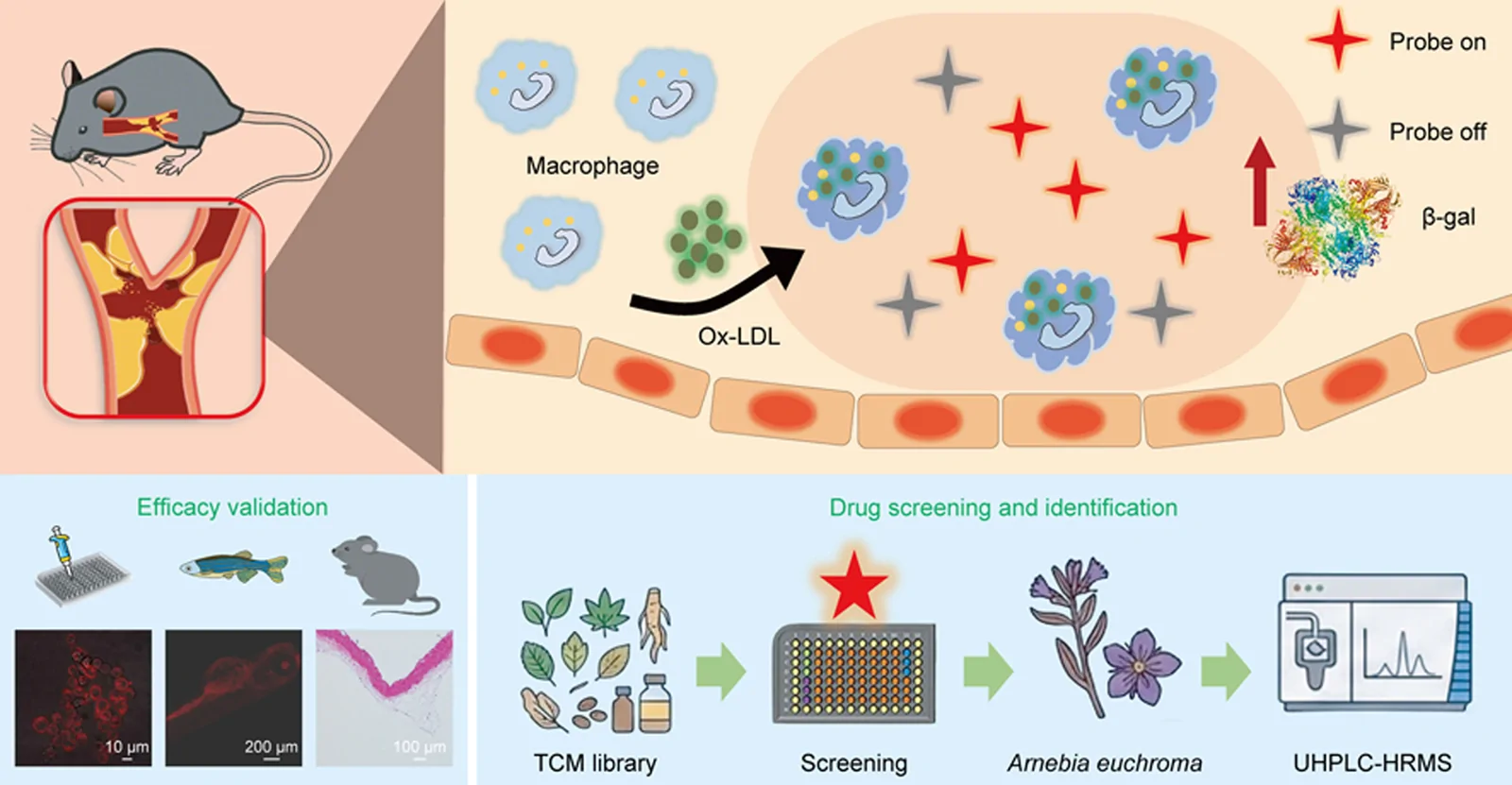
In animal experiments, researchers studied mice lacking apolipoprotein E, a protein that helps transport fats, with atherosclerosis—fatty buildup in arteries—induced by a high-fat diet. They examined tissue changes to assess a natural compound’s effects.
The team first used a fluorescent probe to screen 58 traditional Chinese medicines for inhibitors of beta-galactosidase, an enzyme whose activity rises in senescent cells, which have stopped dividing. They identified the plant Arnebia euchroma and isolated β,β-dimethyl-acryl-alkannin as an inhibitor. They also tested the compound in senescent cells and fat-laden cells grown in the lab, and in zebrafish models of atherosclerosis. The findings across these experiments supported the compound’s potential to reduce blood vessel dysfunction associated with senescence.
Why it matters
Atherosclerosis is an aging-associated disease involving inflammatory processes linked to cell senescence. The study explored whether inhibiting a senescence-linked enzyme might offer a strategy against this disease.
Caveats
These were cell and animal experiments, not a test in people. The abstract gave no doses, treatment durations or numerical measures of benefit.
The paper
Shandong University of Traditional Chinese Medicine
Journal of Pharmaceutical Analysis, May 14, 2026, Open access