High-intensity functional training linked to lower markers in 12 men
A randomized trial in 24 men with metabolic syndrome linked twice-weekly high-intensity functional exercise for 12 weeks to lower levels of two metabolic stress proteins.
Registered IRCT20241130063899N1
Limit: Only 12 men received training, with 12 controls
Edited by Boris Djordjevic · AgingResearch.News
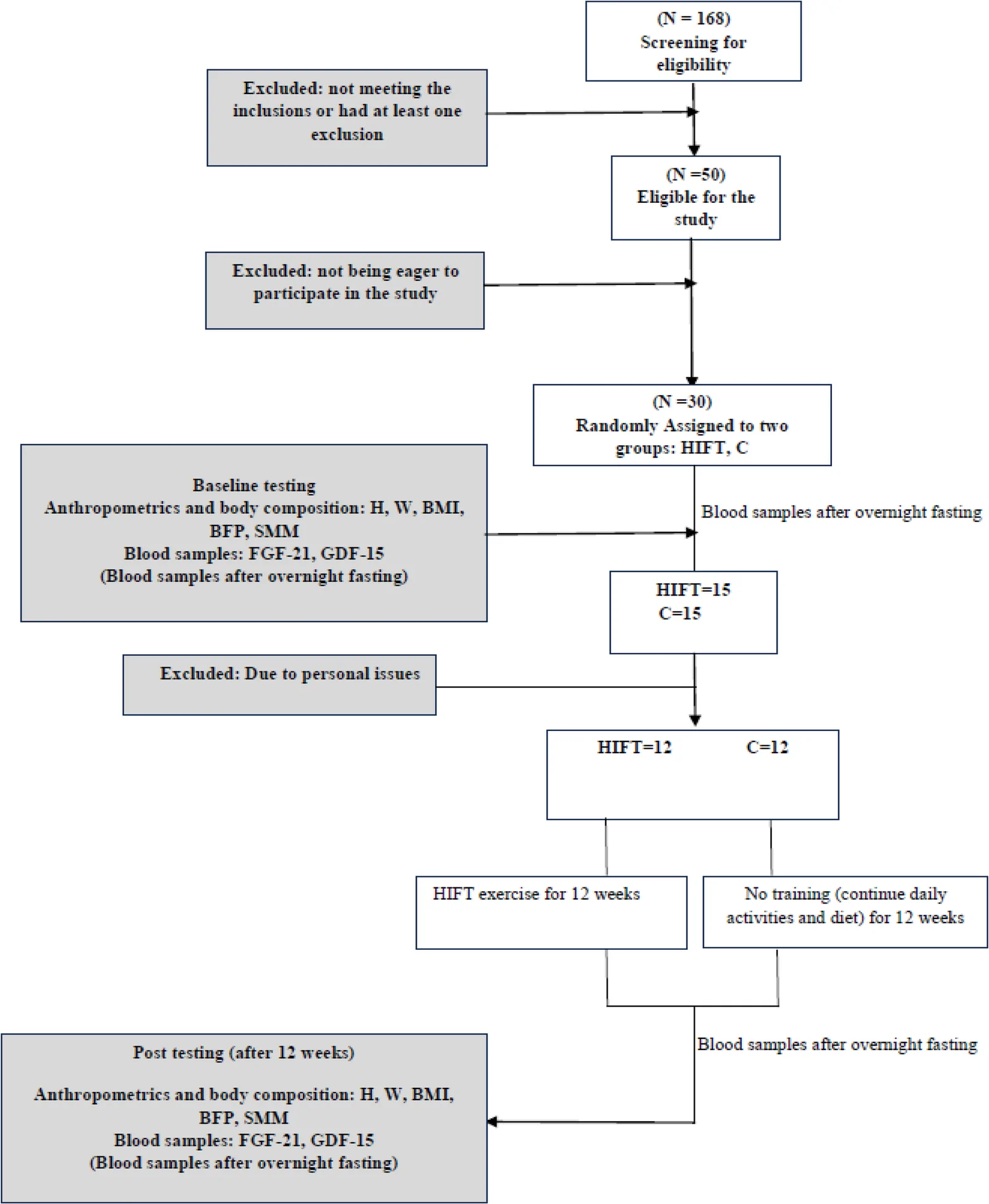
In a randomized controlled trial, researchers studied 24 men with metabolic syndrome, a cluster of risk factors for heart disease and diabetes. Their average age was 42.40 years. Researchers assigned 12 men to high-intensity functional training and 12 to a control group. The exercise group trained twice weekly for 12 weeks, with each session lasting 50 minutes.
After training, blood levels of FGF-21 and GDF-15, two proteins used as markers of metabolic stress, decreased in the exercise group. Body fat percentage, fasting blood sugar and HbA1c, a measure of longer-term blood sugar, also fell. Skeletal muscle mass increased. The authors described the findings as associations, not evidence of direct biological mechanisms. They suggested the training may be an additional, nondrug approach to managing metabolic syndrome.
Why it matters
The work addresses how exercise might help manage metabolic health in middle age, a question relevant to healthier aging.
Caveats
This small trial included only middle-aged men with metabolic syndrome, limiting its relevance to women and other age groups. The abstract gave no between-group effect sizes or information on harms.
The paper
Allameh Tabataba'i University; Isfahan University of Medical Sciences
BMC Sports Science, Medicine & Rehabilitation, Jul 27, 2026, Open access