Mice lacking a lung protein developed worse lung scarring
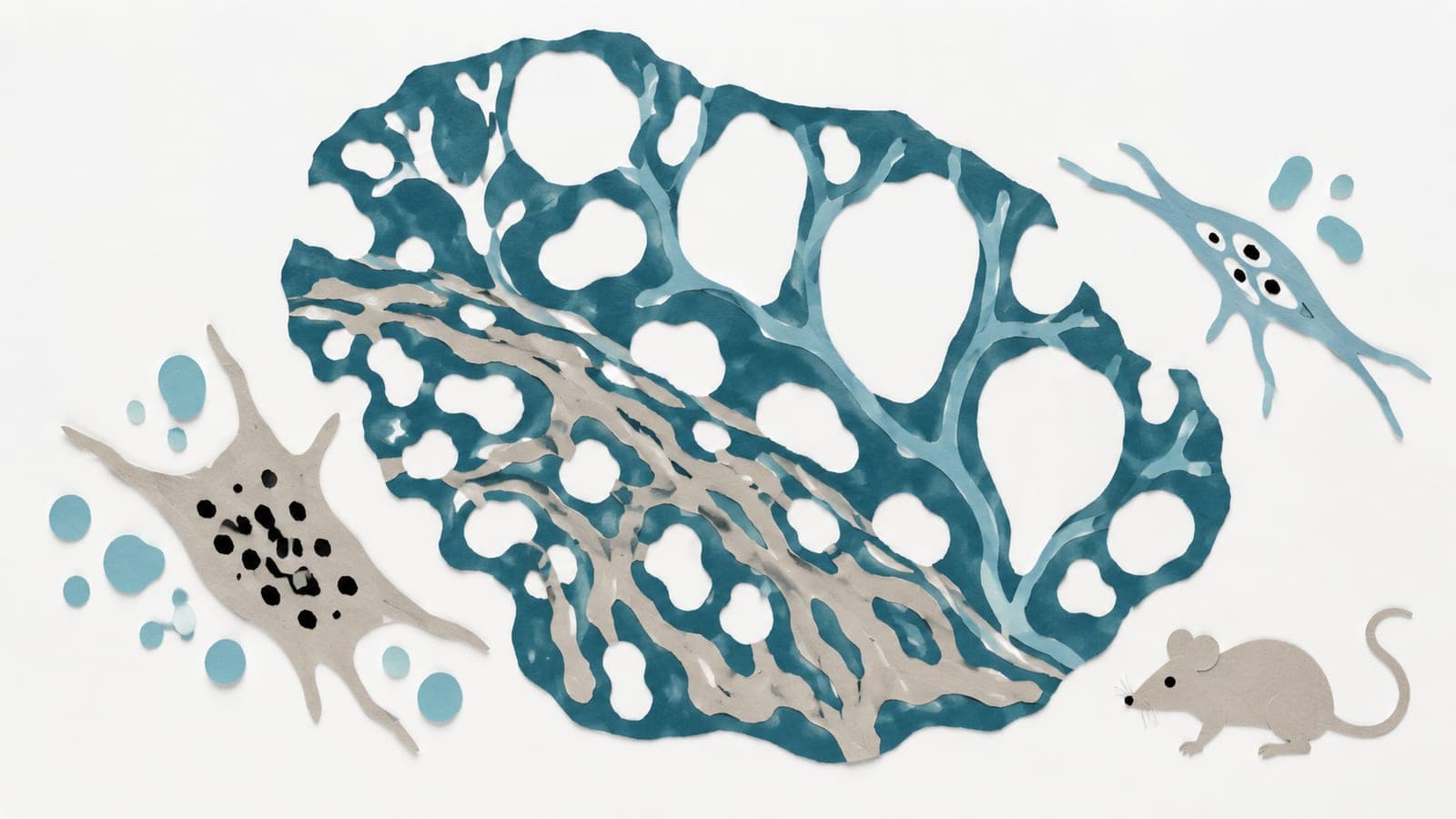
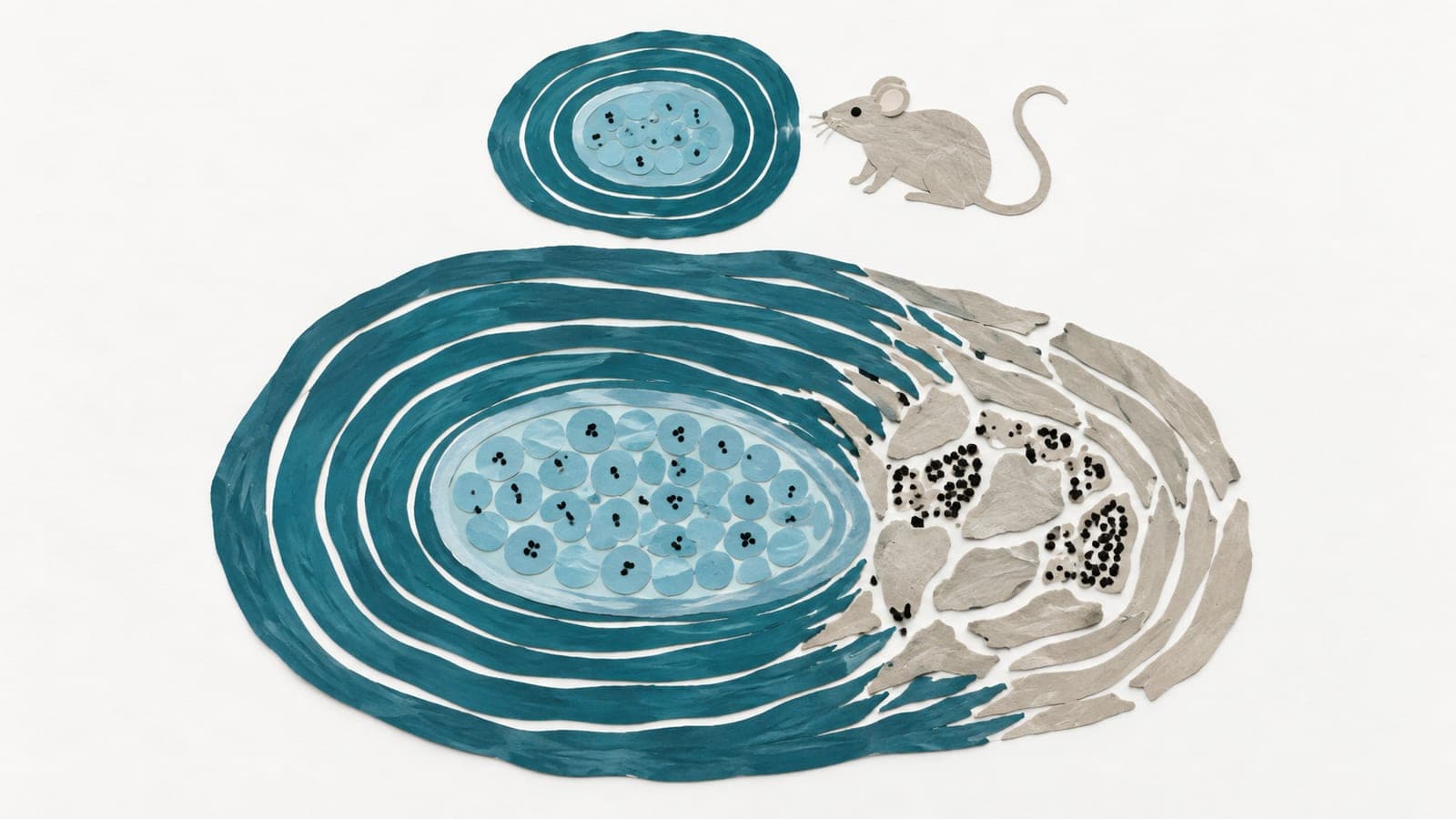
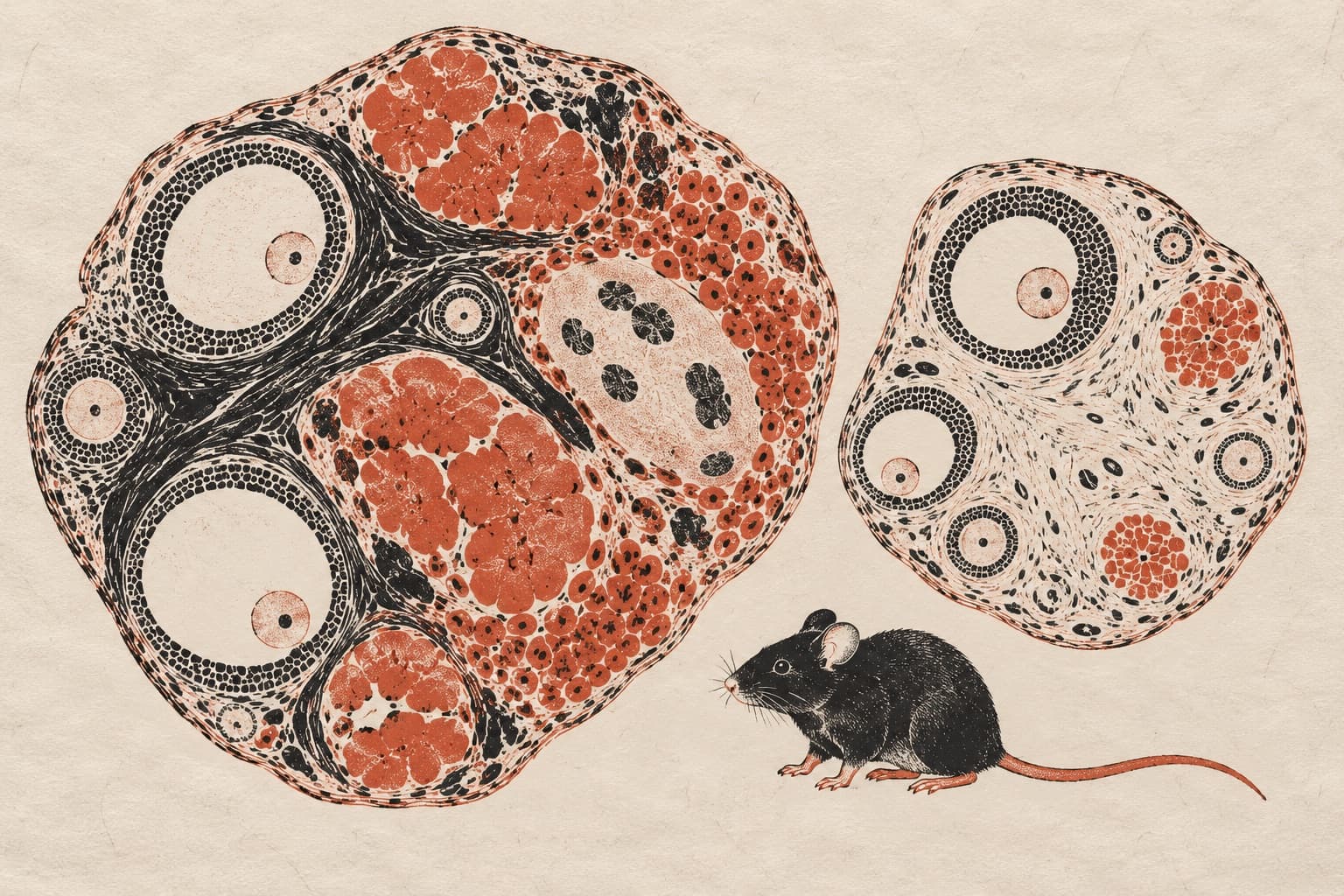
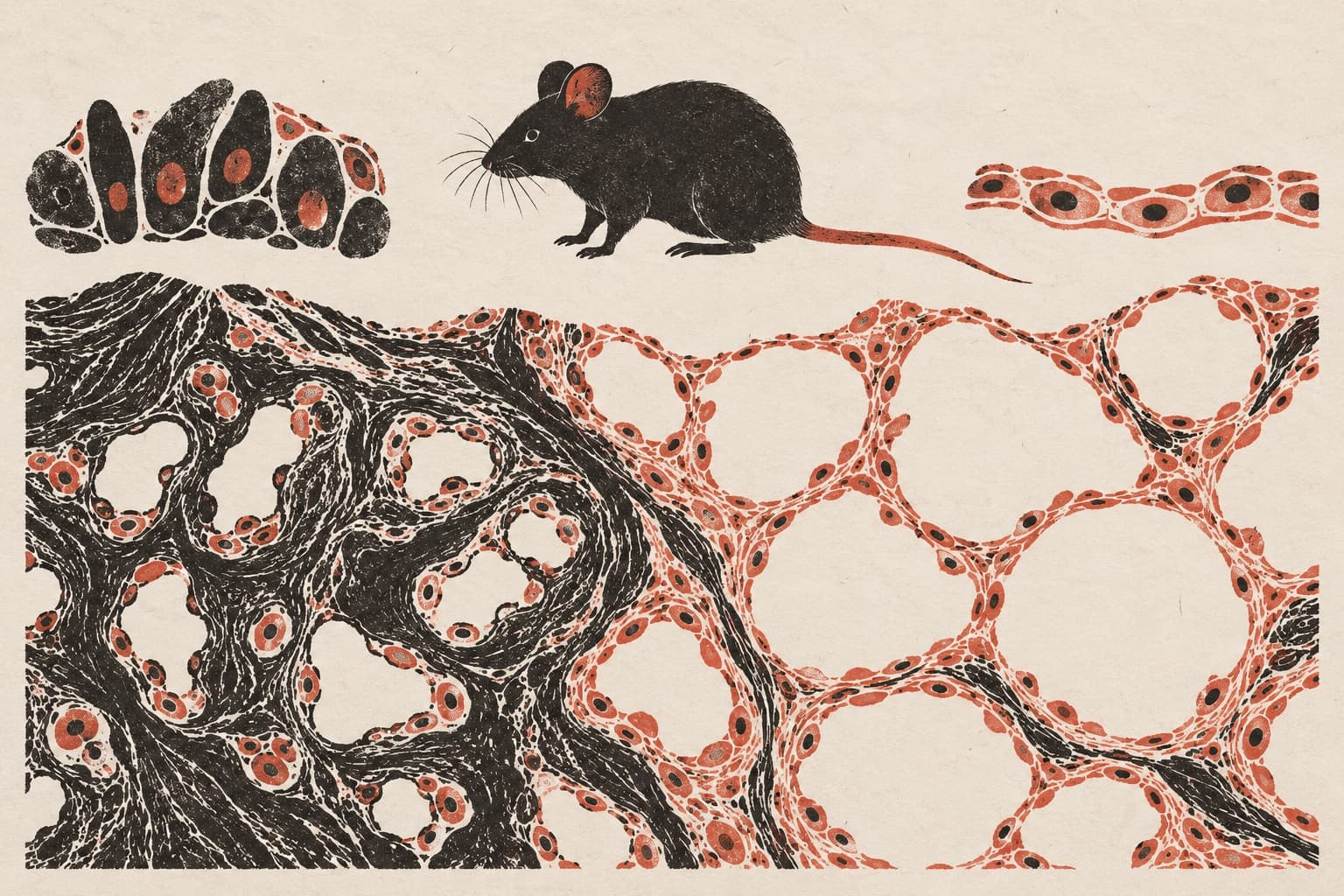
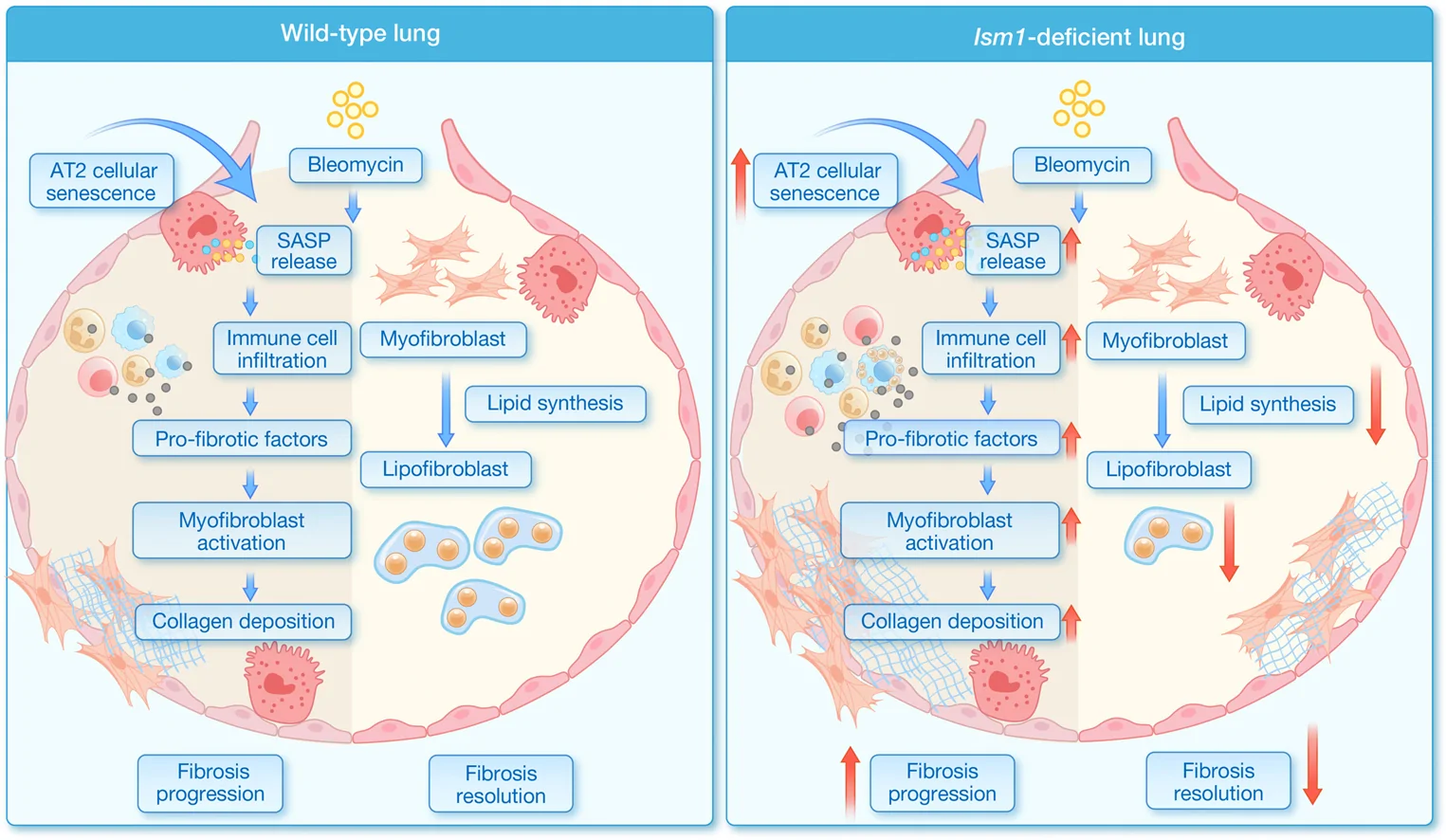
In experiments with male mice, chemically induced lung scarring persisted at 56 days without the protein but had nearly resolved in mice with it.
Limit: The experiments measured protein deficiency, not whether giving the protein treats lung scarring
Edited by Boris Djordjevic · AgingResearch.News
In an animal experiment, researchers compared eight-week-old male C57BL/6J mice lacking the gene for isthmin-1, an anti-inflammatory protein, with mice that had the gene. They delivered bleomycin, a chemical used to induce lung scarring, into the windpipe at 1.5 milligrams per kilogram of body weight. Other mice received saline.
Mice lacking the protein developed more severe lung scarring and greater deposits of collagen, a structural protein, at 14 and 21 days than mice with it. Their lungs also showed greater immune cell buildup and more cellular senescence, a state in which cells stop dividing. At 56 days, mice with the protein showed near resolution of scarring, while those without it still had substantial scarred areas.
Why it matters
Cellular senescence may contribute to lung fibrosis. The work provides a basis for investigating possible therapeutic uses of isthmin-1 for this disease.
Caveats
These experiments tested the absence of a protein, not whether giving it could treat lung scarring. The fibrosis model used young male mice with chemically induced damage, not people with pulmonary fibrosis.
The paper
National University of Singapore
HLife, May 31, 2024, Open access