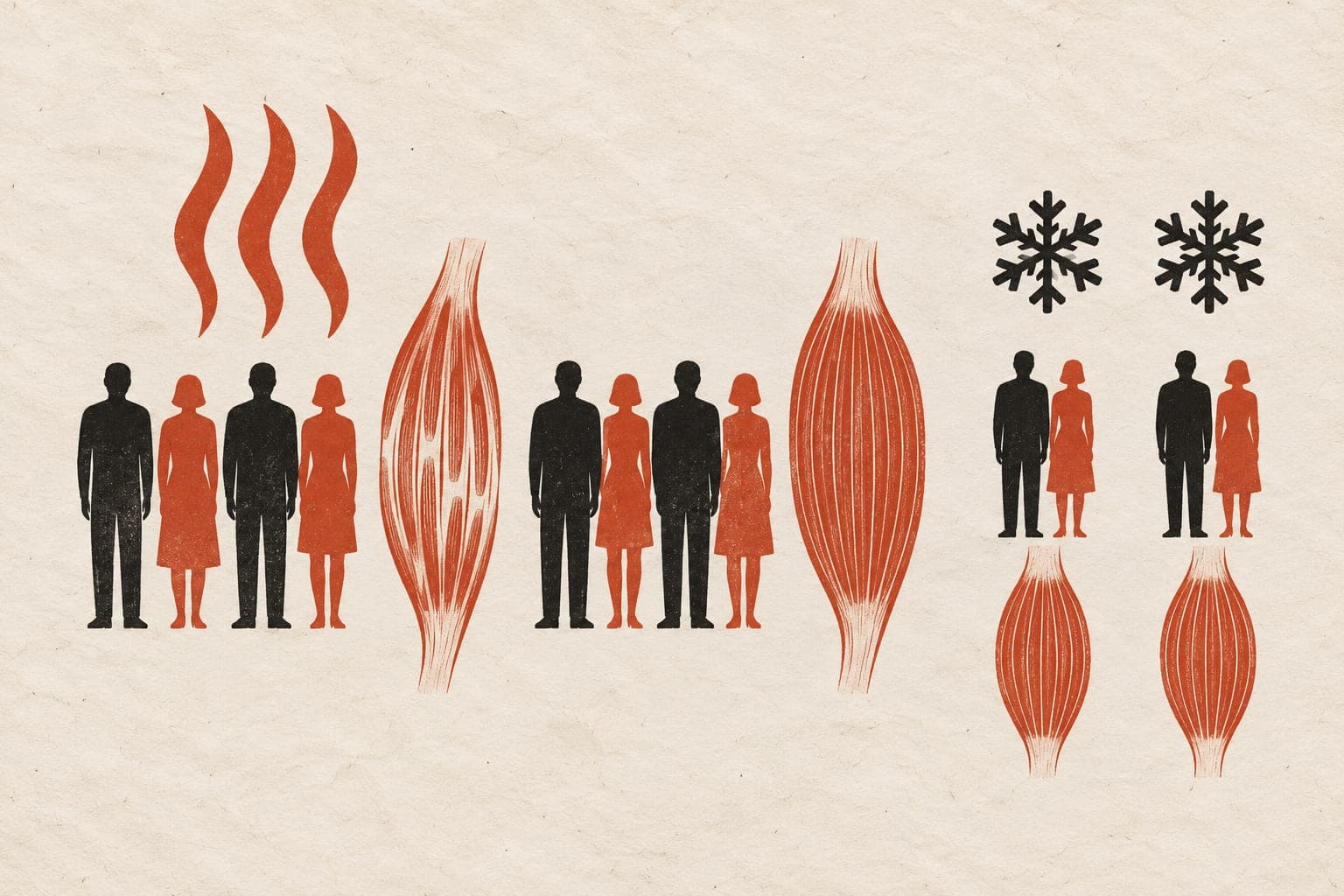
Extreme heat and cold linked to kidney injury admissions in Japan
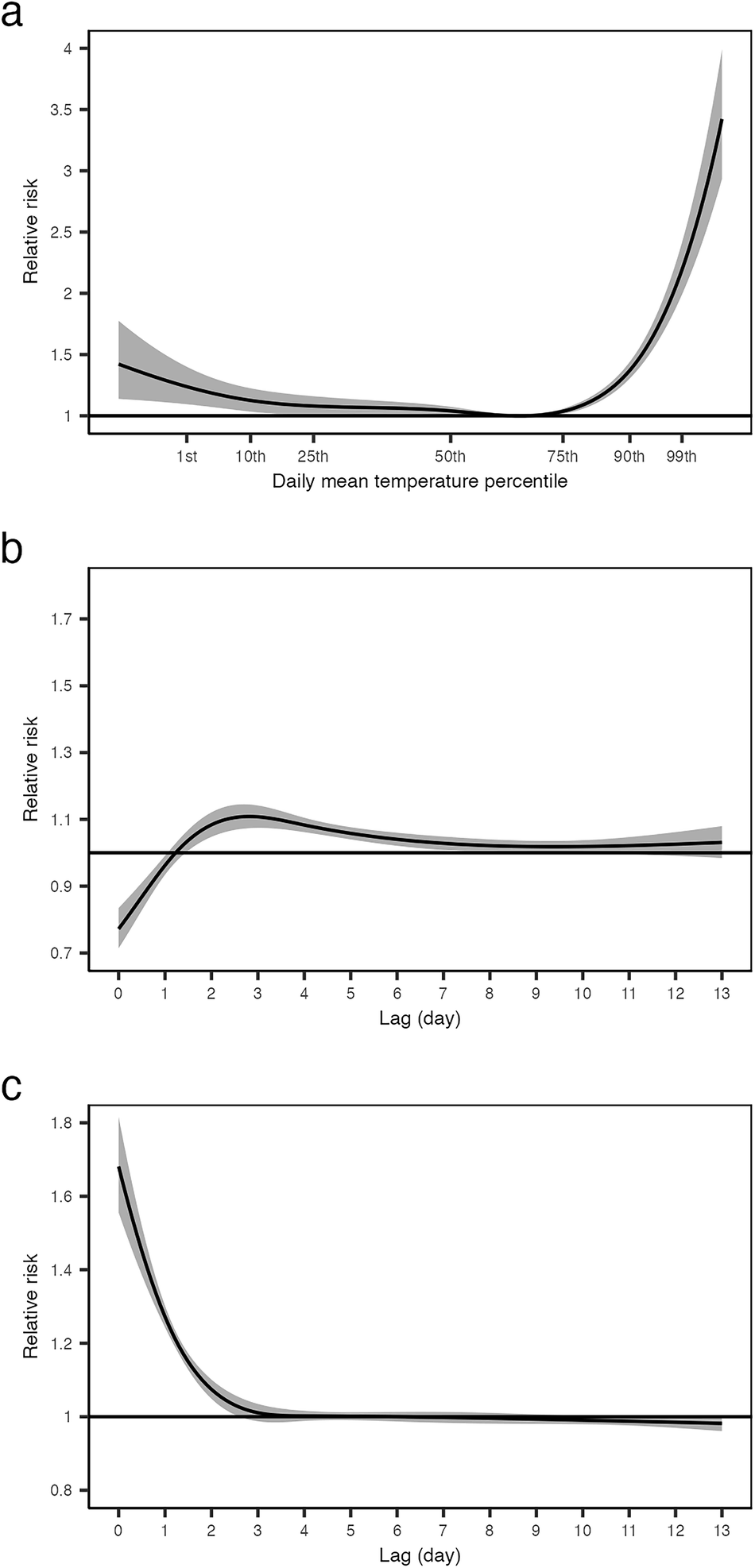
Relative risks of emergency hospitalization were 1.24 for extreme cold and 2.21 for extreme heat in an analysis of 119,027 admissions.
119,027 participants, case-control study
Limit: Kidney injury episodes without emergency hospitalization were not captured
Edited by Boris Djordjevic · AgingResearch.News
In Japan, an observational study analyzed 119,027 emergency hospitalizations for acute kidney injury, a sudden decline in kidney function, from 2011 to 2019. Researchers used a case-crossover design to examine links between outdoor temperatures and admissions on the same day and over the following 13 days.
Both extreme cold and extreme heat were associated with higher hospitalization risk. Heat-related susceptibility was highest among men aged 15–49 and 50–64. Among women, it was highest at age 65 and older. Cold-related susceptibility was highest among men and women aged 65 and older.
Why it matters
For kidney health in older adults, the findings support the authors’ call for prevention strategies tailored to age and sex during temperature extremes.
Caveats
This observational study could not establish cause and effect and covered emergency hospitalizations in Japan, not all episodes of kidney injury. The abstract did not specify the comparison temperature used to calculate the relative risks.
The paper
Institute of Science Tokyo
Journal of Exposure Science & Environmental Epidemiology, Oct 20, 2026