Undiagnosed kidney injury linked to heart disease and death
Billing codes identified 51.4% of kidney injury cases detected through changes in a blood marker of kidney function among 5,692 adults.
Limit: Billing codes may undercount clinical diagnoses of kidney injury
Edited by Boris Djordjevic · AgingResearch.News
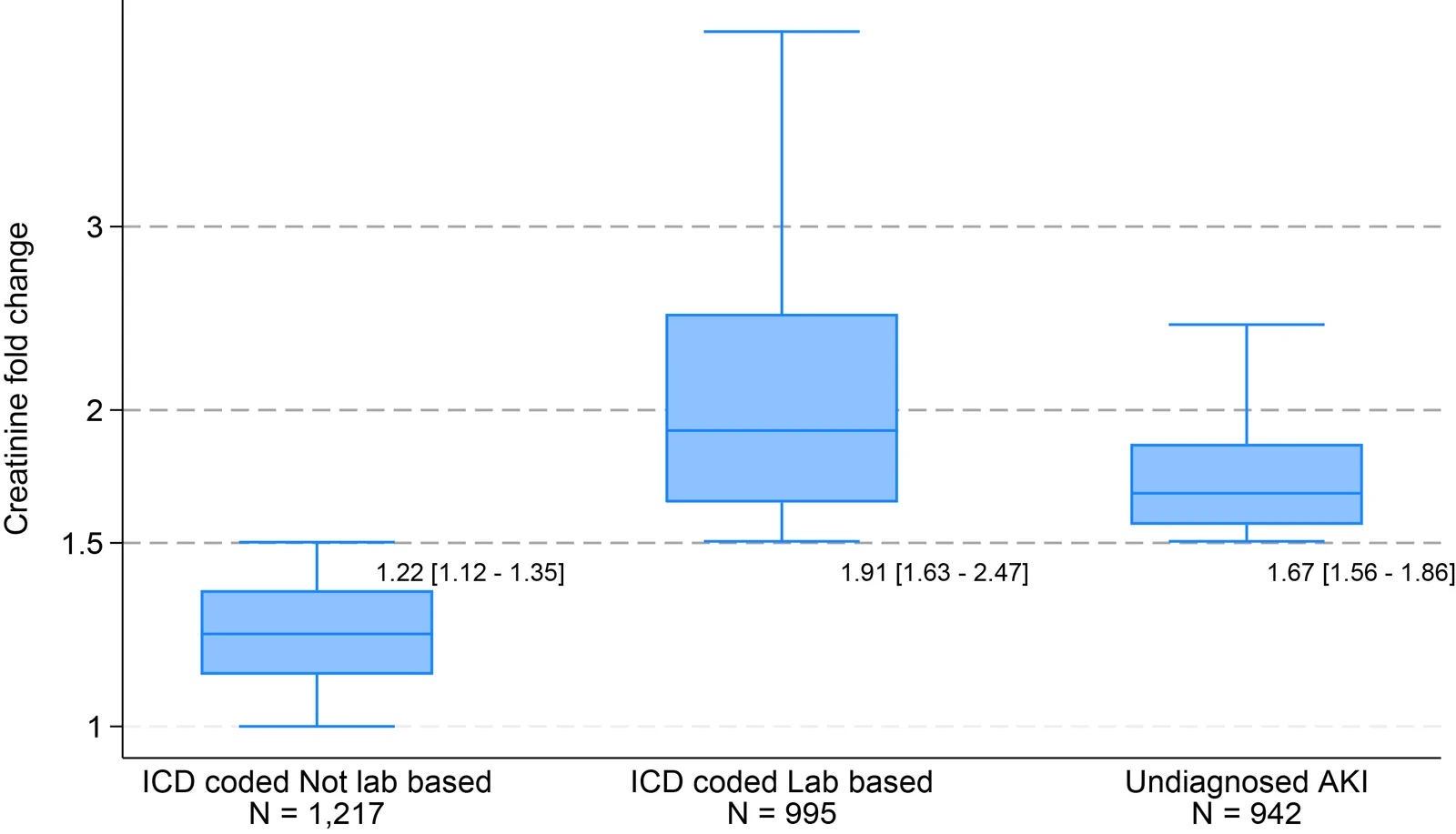
In a prospective cohort study, researchers followed 5,692 adults from the Atherosclerosis Risk in Communities study. They compared acute kidney injury recorded in hospital billing codes with cases identified from changes in blood creatinine, a marker of kidney function, but not coded.
Billing codes identified 51.4% of cases detected through creatinine changes and were more likely to identify severe injury. Undiagnosed injury was more common in women. Other clinical risk factors were similar, as were the proteins and small molecules associated with injury risk. Both coded and undiagnosed injury were strongly linked to coronary heart disease, heart failure, stroke and death.
Why it matters
Acute kidney injury is common in older adults. The authors said their results motivate efforts to improve its recognition and diagnosis.
Caveats
This observational study cannot establish cause and effect and excluded people with end-stage kidney disease. Injury estimates used only three blood creatinine measurements, not urine output, and billing codes may underestimate clinical diagnoses.