Blood pressure history linked to signs of heart scarring
Sustained systolic pressure 10 mm Hg higher during intervals from ages 36 to 69 was linked to a 16% to 24% greater scarring signal at 77.
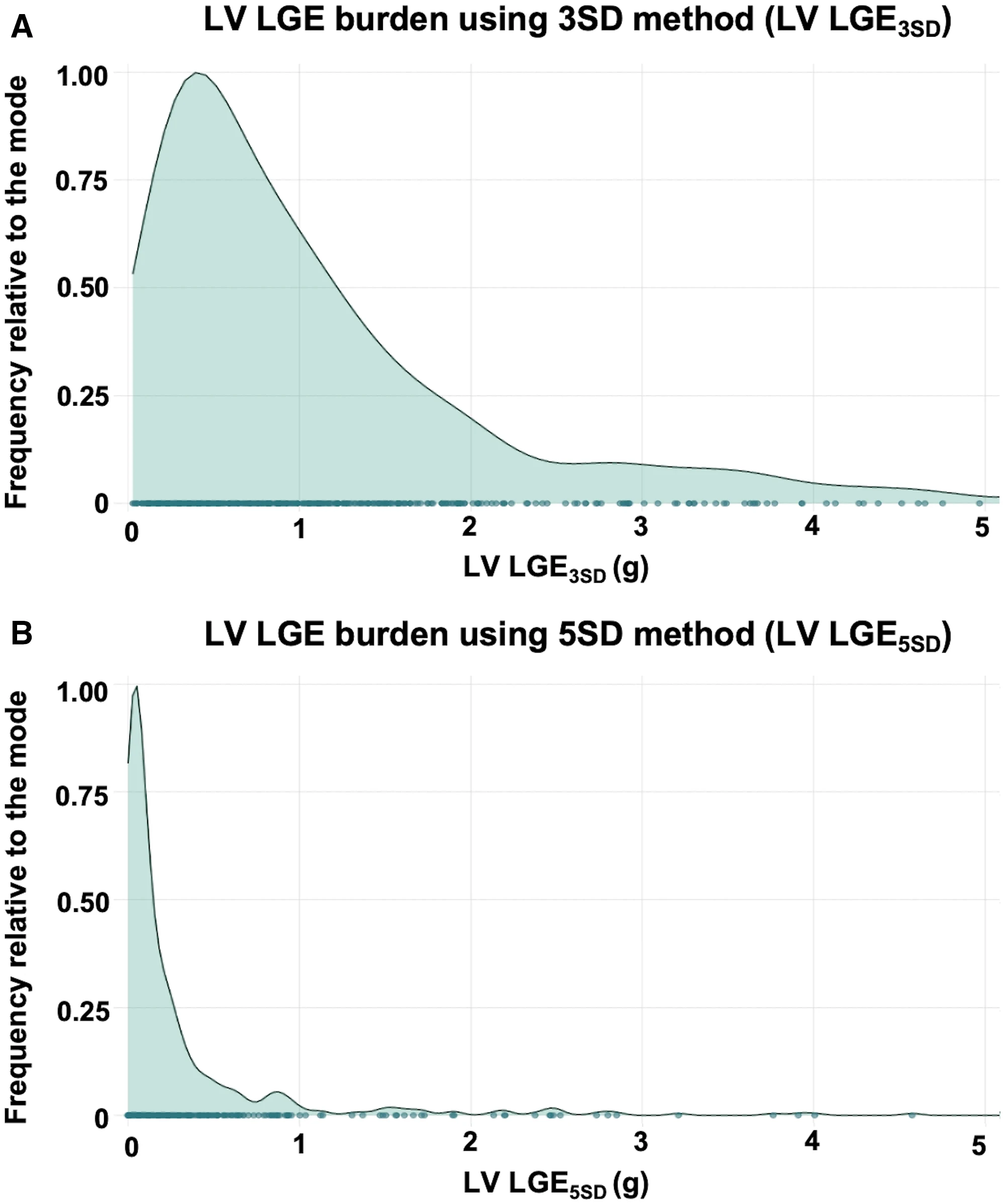
Limit: Heart scarring was assessed through an imaging signal
In an observational study, 472 people from a 1946 birth cohort, 54% male, underwent heart scans at age 77. Researchers analyzed blood pressure readings at ages 36, 43, 53, 63, 69 and 77. They used magnetic resonance imaging to assess a signal indicating scarring in the left ventricle, the heart’s main pumping chamber.
Higher systolic pressure—the top number in a blood pressure reading—at ages 36 to 69 was associated with a greater scarring signal. Sustained higher pressure was associated with a greater signal independently of blood pressure at 77. Steeper rises across three intervals from ages 36 to 63 were also linked to greater signals. Participants with the signal had higher rates of major cardiovascular events than those without it.
Why it matters
For blood pressure management as people age, the authors called for investigating whether long-term patterns could guide decisions beyond single readings.
Caveats
This observational study cannot establish cause and effect, and it assessed scarring through an imaging signal. Participants came from one 1946 birth cohort and were scanned at age 77.
- Extracellular matrix remodeling
- Focal myocardial fibrosis
- Atrial arrhythmia
- Coronary artery disease
- Heart failure
- Humans
The paper
Life-Course Blood Pressure Trajectories and Focal Myocardial Fibrosis in Older Age in MyoFit46
University College London
Hypertension, Oct 19, 2026


