Blood pressure gene scores linked to artery stiffness
An observational study of 5,804 people linked blood pressure gene scores to pressure-related artery stiffness, but not to structural stiffness associated with aging.
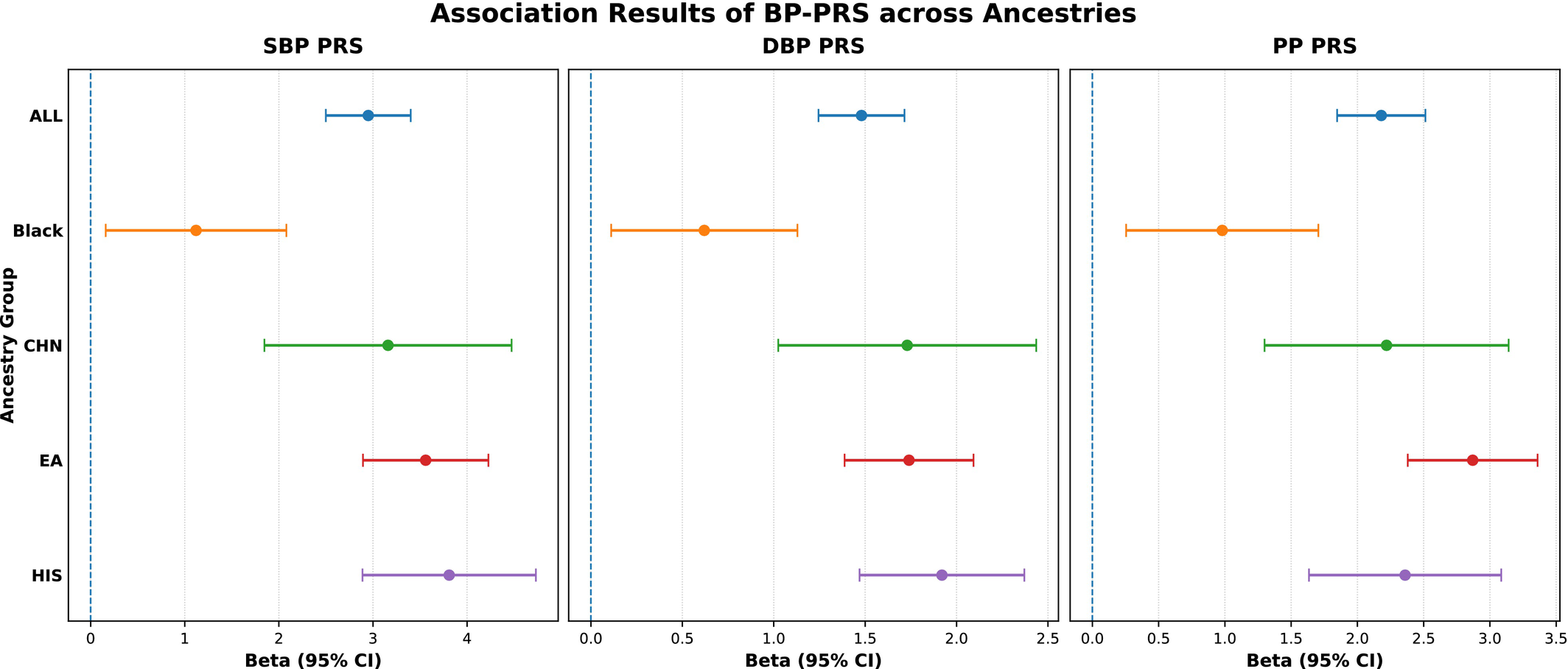
An observational study examined 5,804 participants in the Multi-Ethnic Study of Atherosclerosis, whose average age was 62.8 years. Researchers compared ultrasound measurements of neck arteries with genetic scores combining DNA variants associated with blood pressure. They estimated structural stiffness, attributed to aging, at a standard blood pressure of 120/80 millimetres of mercury. They calculated pressure-related stiffness as the difference between total and structural stiffness.
Scores for the upper and lower blood pressure readings were associated with total and pressure-related stiffness. A score for the gap between these readings was associated only with pressure-related stiffness. None was associated with structural stiffness. A Mendelian randomization analysis, which used genetic differences to assess the links, also associated both readings with pressure-related stiffness.
Why it matters
Arterial stiffness is a marker of cardiovascular disease risk. Separating aging-related structural changes from pressure-related stiffness addresses whether the same genetic influences underlie both.
Caveats
This observational study used modelled estimates to separate the stiffness components. It did not test whether lowering blood pressure changed artery stiffness.
- Structural arterial stiffness
- Hypertension
- Cardiovascular disease
- Carotid pulse wave velocity
- Diastolic blood pressure
- Humans
The paper
Polygenic Determinants of Arterial Stiffness: Implications for Hypertension
Department of Medicine-Division of Cardiovascular Medicine William S. Middleton Memorial Veteran's Hospital Madison WI USA; The Institute for Translational Genomics and Population Sciences
Journal of the American Heart Association, 10 Oct 2026