Multijoint and Single-Joint, Upper- and Lower-Body Strength Across the Adult Lifespan: Cross-Sectional Data for 76,514 Men and Women, Ages 20 to 93
Abstract
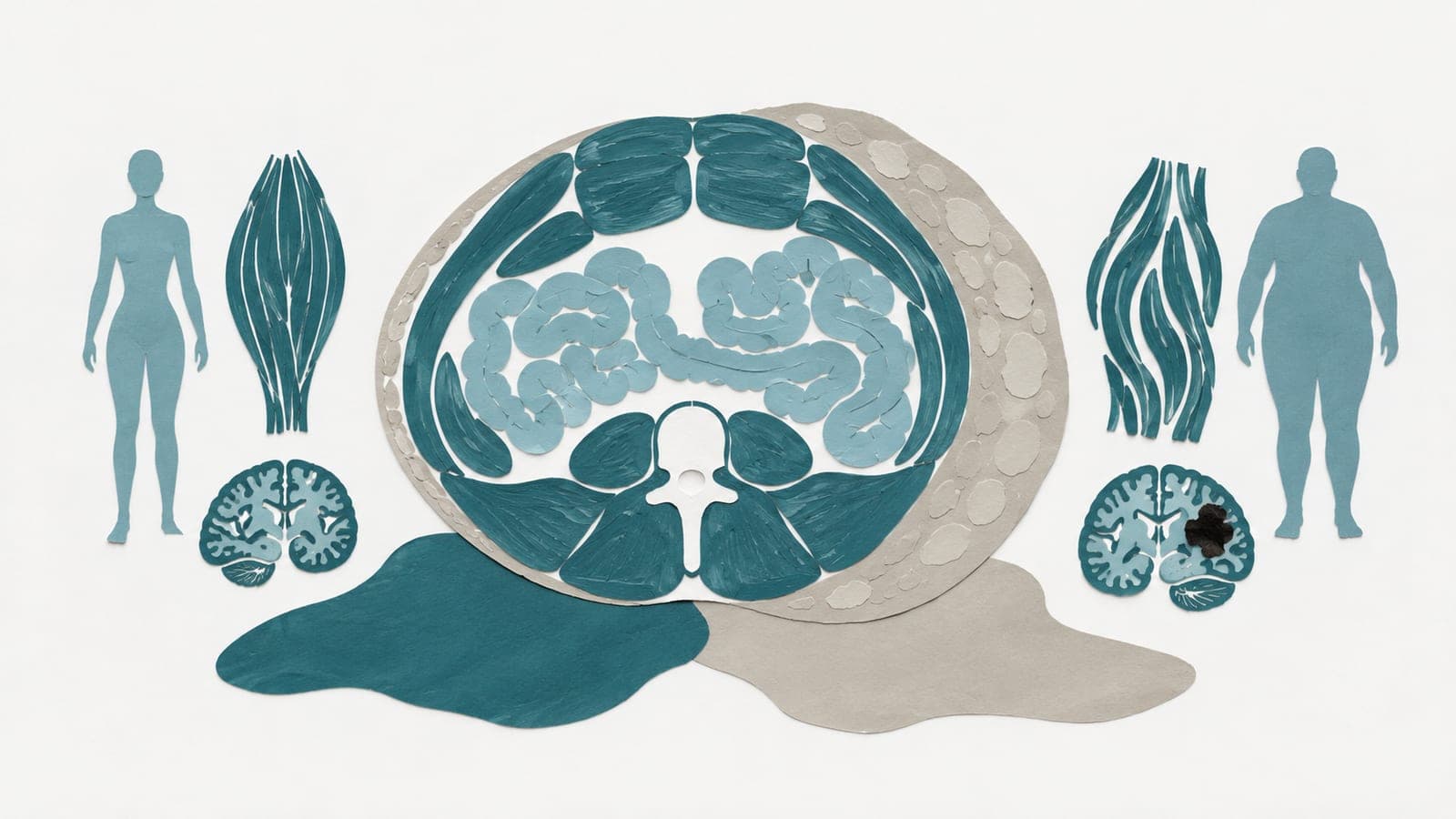
Age-related strength loss (dynapenia) has been associated with cardiovascular disease and all-cause mortality. However, our understanding of strength through the adult lifespan is limited, and large-scale data sets involving multiple multijoint and trunk isometric strength assessments are scarce. This article presents a cross-sectional analysis of apparently healthy adults, ages 20 to 93 for multijoint (leg press, chest press, and seated row), and single-joint (trunk extension and trunk flexion) isometric strength (n = 76,514; men = 13,792, women = 62,722). Data were structured into successive 5-year age groups and presented as absolute isometric strength (newtons; N). Descriptive analyses are reported as median and interquartile range and percentage difference. Mens' and womens' strength peaked between 25 and 44 years. Strength difference from youngest to oldest age groups were similar between men (23%-40%) and women (21%-45%) with the exception of chest press, which showed a greater difference in men (57%). As cross-sectional data, we limit inference of strength change; however, these data may serve as device- and protocol-specific descriptive values for future researchers, exercise practitioners, and medical professionals to confer cross-sectional strength differences across the adult lifespan.
- Dynapenia
- Chest press isometric strength
- Leg press isometric strength
- Seated row isometric strength
- Trunk extension isometric strength
- Humans
The paper
Exercise Coach USA
Research Quarterly for Exercise and Sport, 16 Oct 2026