No testosterone exercise gain in postmenopausal stage B heart failure
Testosterone’s estimated effect on exercise capacity was minus 0.05 versus placebo, with the range of likely values including no difference.
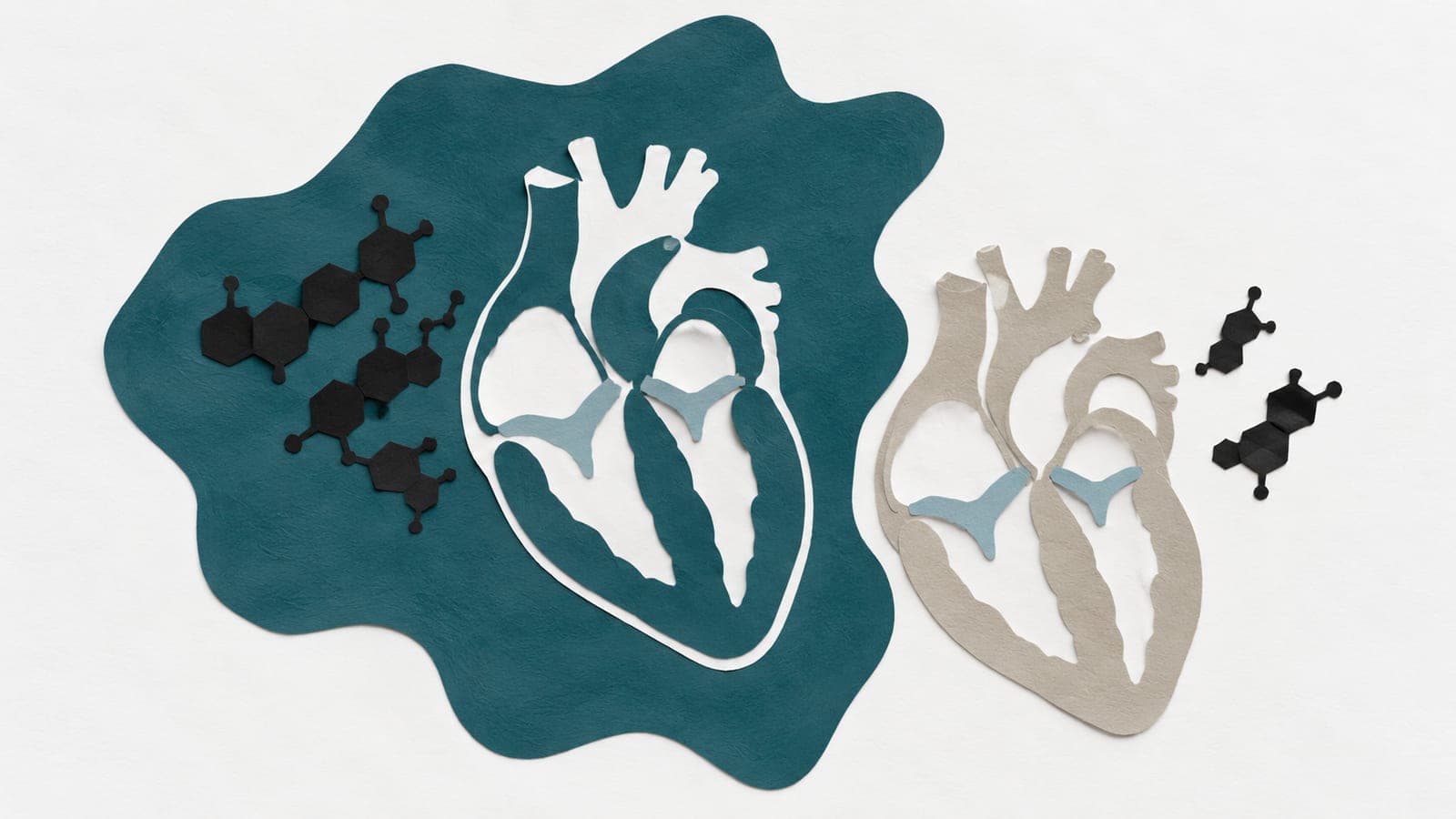
38 participants, double-blind, placebo-controlled
Limit: Participants may have resembled HFpEF rather than stage B HF, potentially blunting treatment responses
Thirty-eight postmenopausal women aged 60–80 with stage B heart failure and reduced exercise capacity completed a randomised, placebo-controlled crossover trial. Stage B meant heart changes without symptoms, including altered heart structure or problems filling between beats. Participants received testosterone through the skin at 5 mg daily and placebo, each for four months, separated by a four-week break.
Testosterone had no significant effect on peak oxygen uptake, a measure of the body’s highest oxygen use during exercise. It also had no significant effect on heart structure, heart function or reported quality of life. Blood testosterone levels rose, and researchers reported no treatment-related adverse events.
Why it matters
Exercise limitations can occur before heart failure causes symptoms. Testing ways to address these limitations after menopause bears on maintaining physical function in later life.
Caveats
This was a small, single-centre trial with four-month treatment periods. Its findings do not establish effects in men, women without these heart changes or people with symptomatic heart failure.
From the paper
- Participants
Another participant had an invalid CPET during the second study period and two participants were non-adherent to the study medication, leaving 28 participants for the per-protocol analysis of the primary outcome.
- Primary outcome
Compared with placebo, there was no effect of testosterone treatment on the primary outcome of relative V˙O2peak ml/kg/min (β = –0.05, 95% confidence interval [CI] − 0.74, 0.65).
- Limitation
Studies have shown a nadir in testosterone concentration between age 58 and 62 years in adult women [Citation3,Citation4].
Quoted word for word from the full text on tandfonline.com.