High blood pressure linked to contrasting dementia risks in men
Relative risk measures were 0.72 for Alzheimer’s and 1.95 for vascular dementia, comparing systolic pressures of at least 160 versus 120 to below 140 millimetres of mercury.

Researchers followed 2,649 Japanese-American men aged 71 to 93 without dementia at baseline in a prospective observational cohort study. Over up to 20 years, they identified 716 new dementia cases using standardised diagnostic protocols.
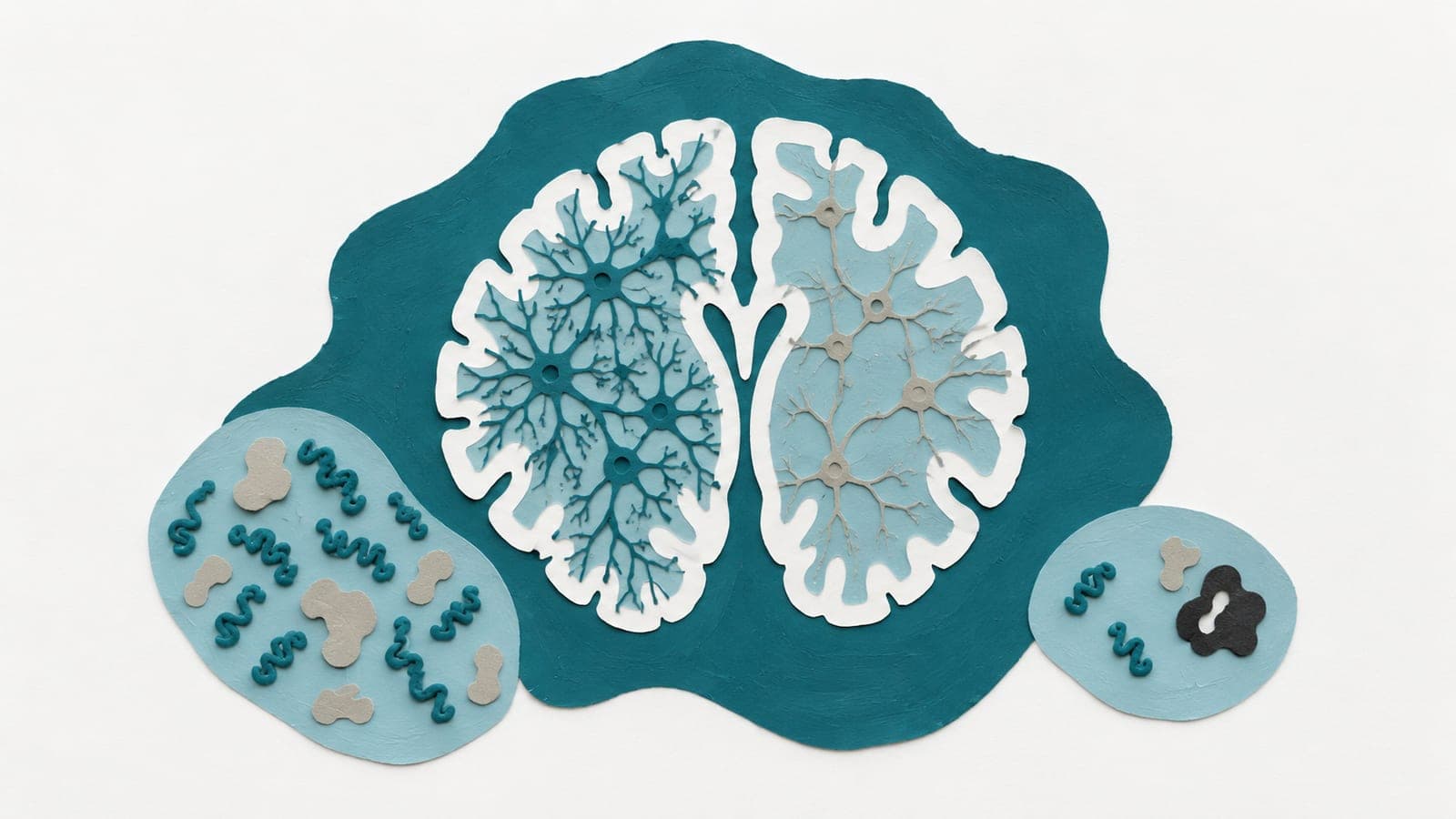
High systolic pressure—the top number in a blood pressure reading—was associated with lower Alzheimer’s disease risk but higher risk of vascular dementia, which involves impaired blood flow to the brain. After adjustment for demographic, medical, lifestyle and genetic factors, the hazard ratios—measures of relative risk over time—were 0.72 and 1.95, respectively. The Alzheimer’s association appeared only in men with a protective version of FOXO3, a gene linked to longevity. Diastolic pressure, the bottom number, showed no significant association with dementia incidence.
Why it matters
The relationship between late-life blood pressure and dementia remains controversial. This study bears on whether that relationship differs between two forms of dementia in older age.
Caveats
This observational study could not establish cause and effect. The findings concern Japanese-American men aged 71 to 93 without dementia at baseline, limiting their applicability to women, younger people and other populations.
The paper
University of Hawaii at Manoa
Journal of Alzheimer's Disease, 16 Oct 2026