Removing a protein reduced lung tumour burden in mice
An animal experiment found that mice lacking the protein PA200 had reduced chemically induced lung tumour burden, especially in middle age.
In mice with lung tumours induced by the chemical urethane, researchers tested the effects of removing PA200, a protein that helps cells break down other proteins. This animal experiment found a marked reduction in tumour burden, especially in middle-aged mice. The reduction accompanied partial changes in the inflammation-promoting environment around tumours.
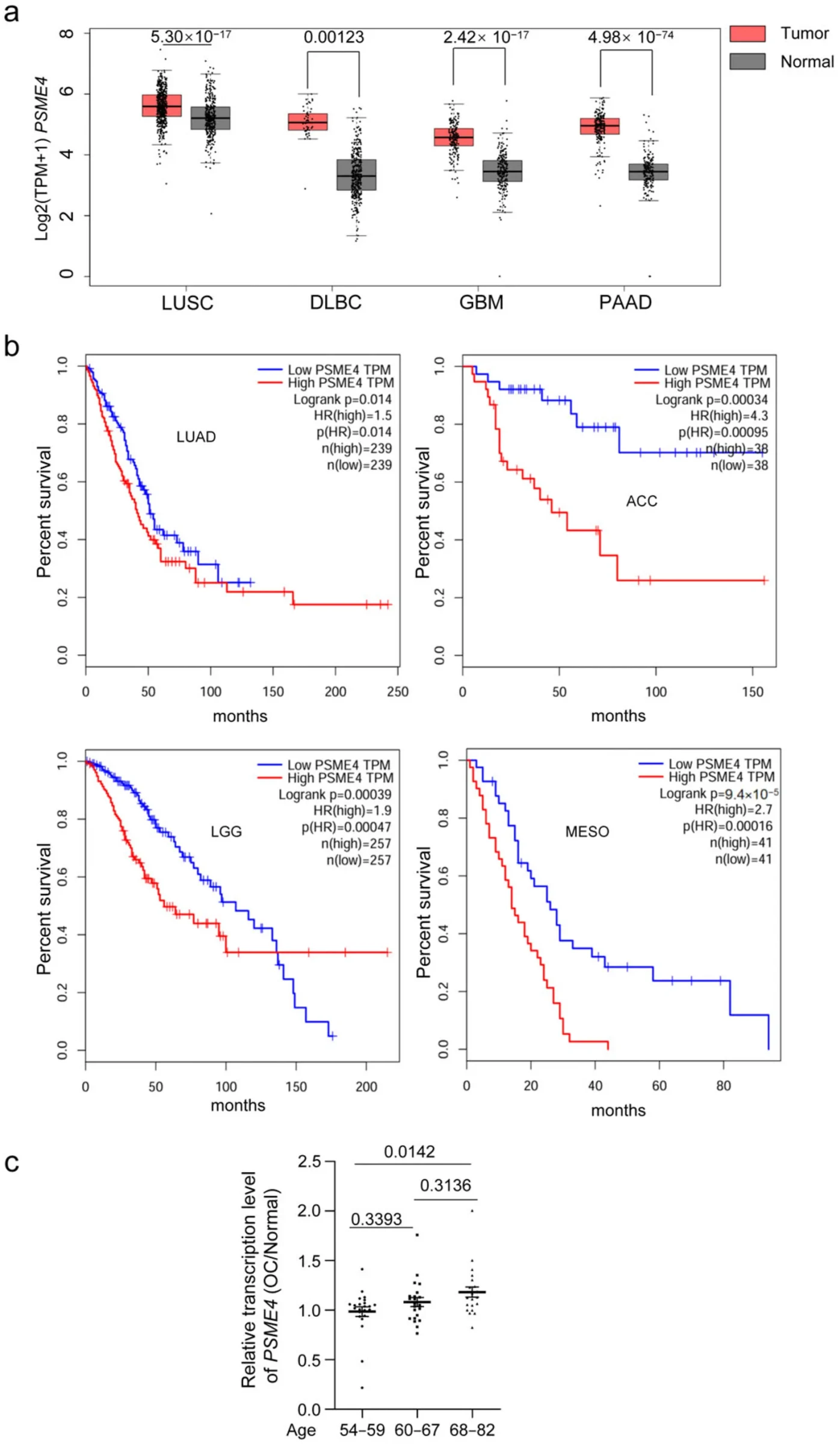
In separate tumour-cell experiments, cells lacking PA200 multiplied and migrated less. They also showed more senescence, a state in which cells stop dividing, in response to oxidative stress, a form of chemical stress. In human lung cancer, higher PA200 levels were associated with poorer prognosis and advancing age.
Why it matters
The work addresses how cellular senescence relates to age-associated cancer. The authors highlighted PA200 as a potential target for lung cancer in older patients.
Caveats
The tumour-burden result came from a chemically induced mouse model, not a treatment study in people. Whether targeting PA200 would benefit older patients remains untested here.
The paper
The p53-PA200 Feedback Loop Modulates Age-Dependent Tumorigenesis
Beijing Normal University
International Journal of Molecular Sciences, 30 Sep 2026, Open access