The PancreaSure Multianalyte Blood Test Performs Well at Distinguishing Early-Stage Pancreatic Ductal Adenocarcinoma from High-Risk Controls: A Retrospective Secondary Analysis
Abstract
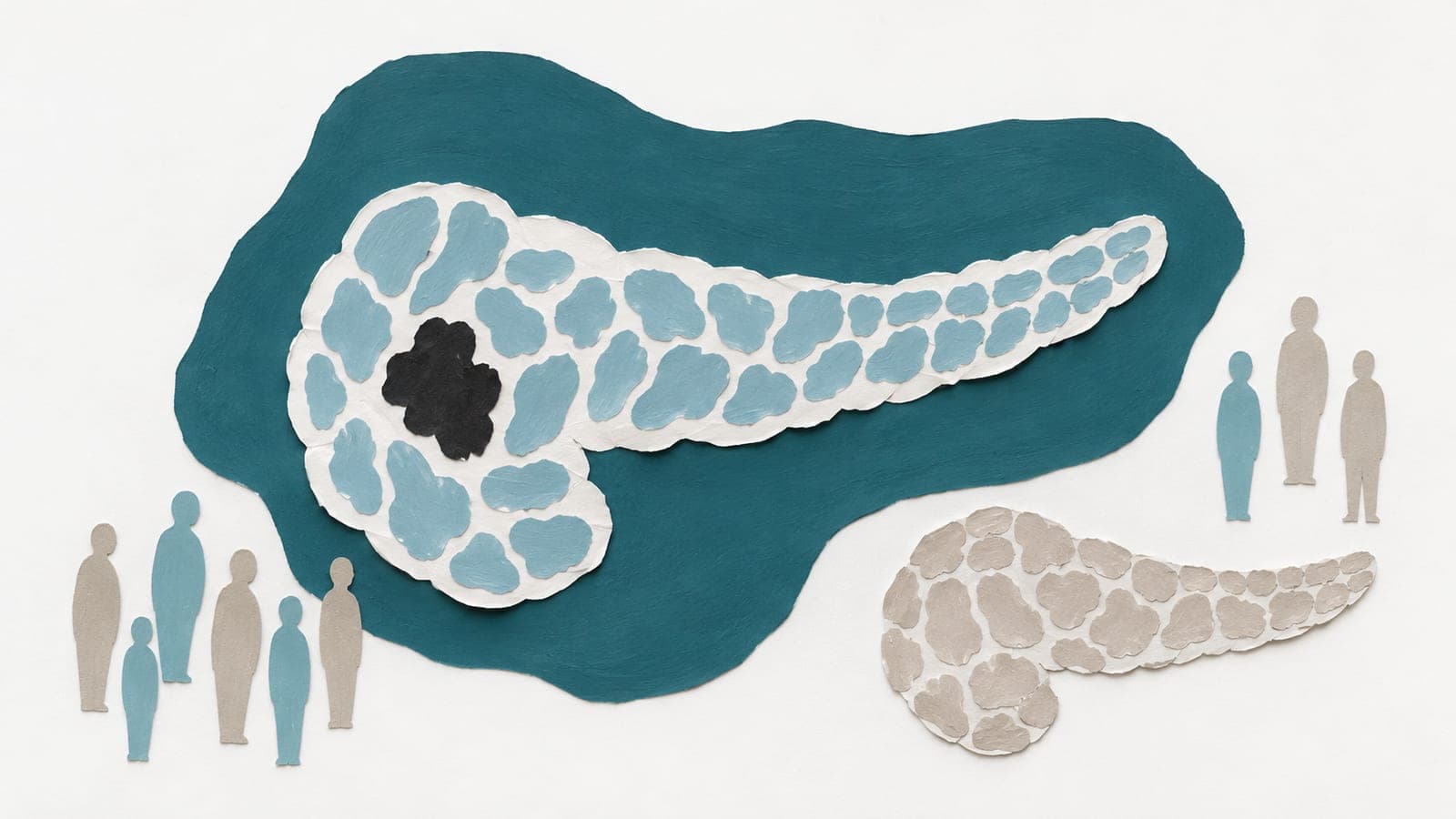
Background/Objectives: Biomarkers that can facilitate early detection of pancreatic cancer and extend patient survival are a significant unmet need. PancreaSure is a serum biomarker signature that performed well at distinguishing Stage I and II pancreatic ductal adenocarcinoma (PDAC) from both high-risk and non-high-risk controls in two previous validations. The goal of this study was to perform a secondary analysis of test performance exclusively in individuals at high risk of PDAC due to a pathogenic variant in a susceptibility gene or strong family history of the disease. To this end, we extracted and analyzed raw data from appropriate samples used in the prior validations. Methods: Data from the two prior validations were pooled at the participant level, and sensitivity and specificity were estimated as pooled proportions with exact binomial 95% confidence intervals. One-sided exact binomial tests were used to compare the performance of the PancreaSure test to the performance goals of 65% sensitivity and 90% specificity. Results: PancreaSure detected early-stage PDAC with 77.5% sensitivity (95% CI, 66.0-86.5) and 93.6% specificity (95% CI, 91.8-95.1), significantly outperforming predefined success criteria. Test performance was consistent between Stage I (80.0% sensitivity) and Stage II (75.6% sensitivity) PDAC cases. PancreaSure also demonstrated favorable performance in individuals with only genetic susceptibility to PDAC (84.8% sensitivity, 94.5% specificity), with only a family history of the disease (79.2% sensitivity, 93.7% specificity), and with high-penetrance variants. Conclusions: The performance demonstrated by PancreaSure in genetic/familial high-risk individuals further suggests that it has the potential to facilitate early detection of PDAC in surveillance populations and warrants prospective evaluation as an adjunct to imaging.
The paper
New York University; University of Pittsburgh
Journal of Clinical Medicine, 22 Sep 2026, Open access