Social vulnerability’s role in thinking problems varied by country
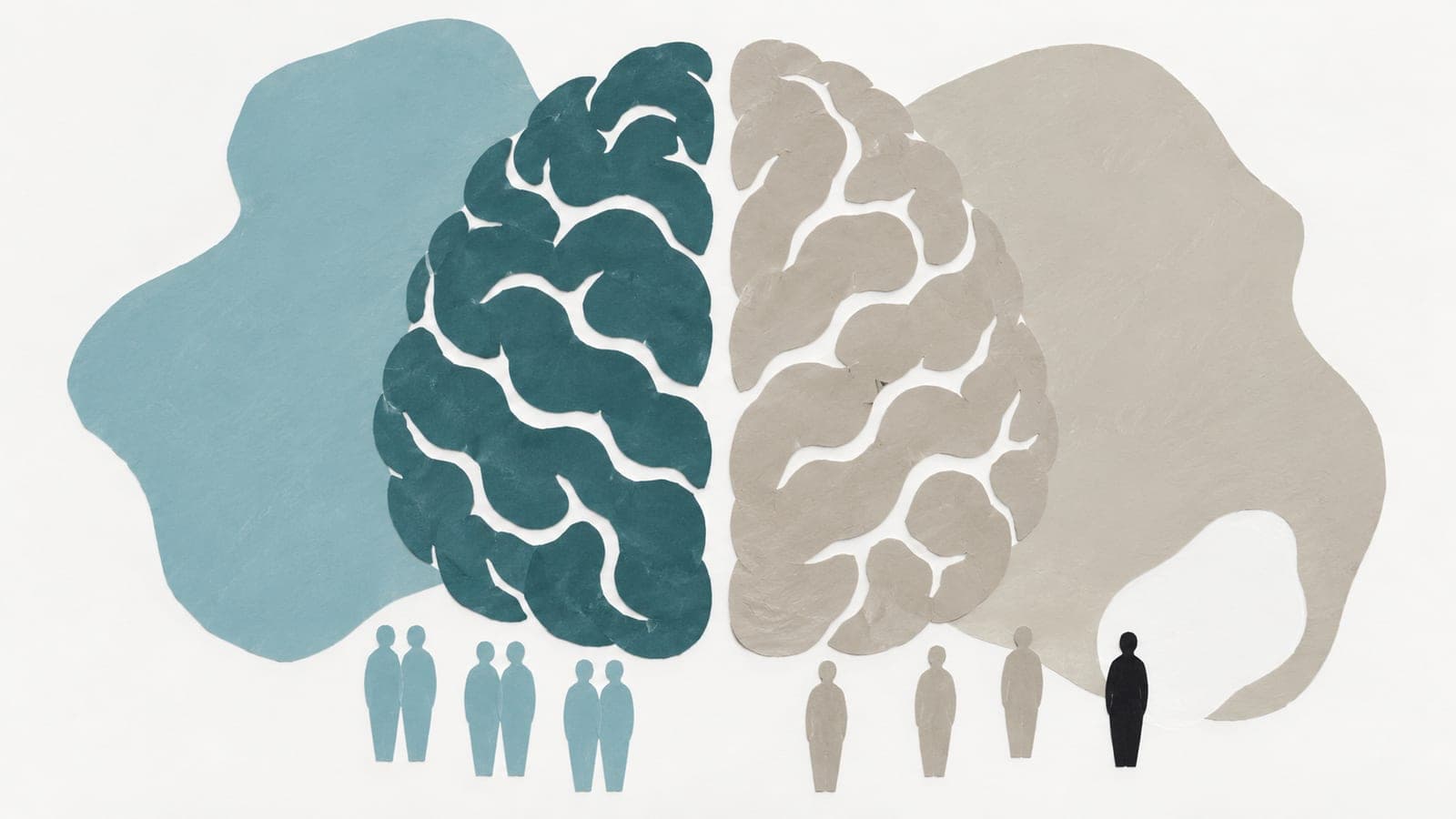
In longitudinal data from older adults, social vulnerability accounted for hardship’s association with later thinking difficulties in Sweden, partly in Germany, but not significantly in Spain.
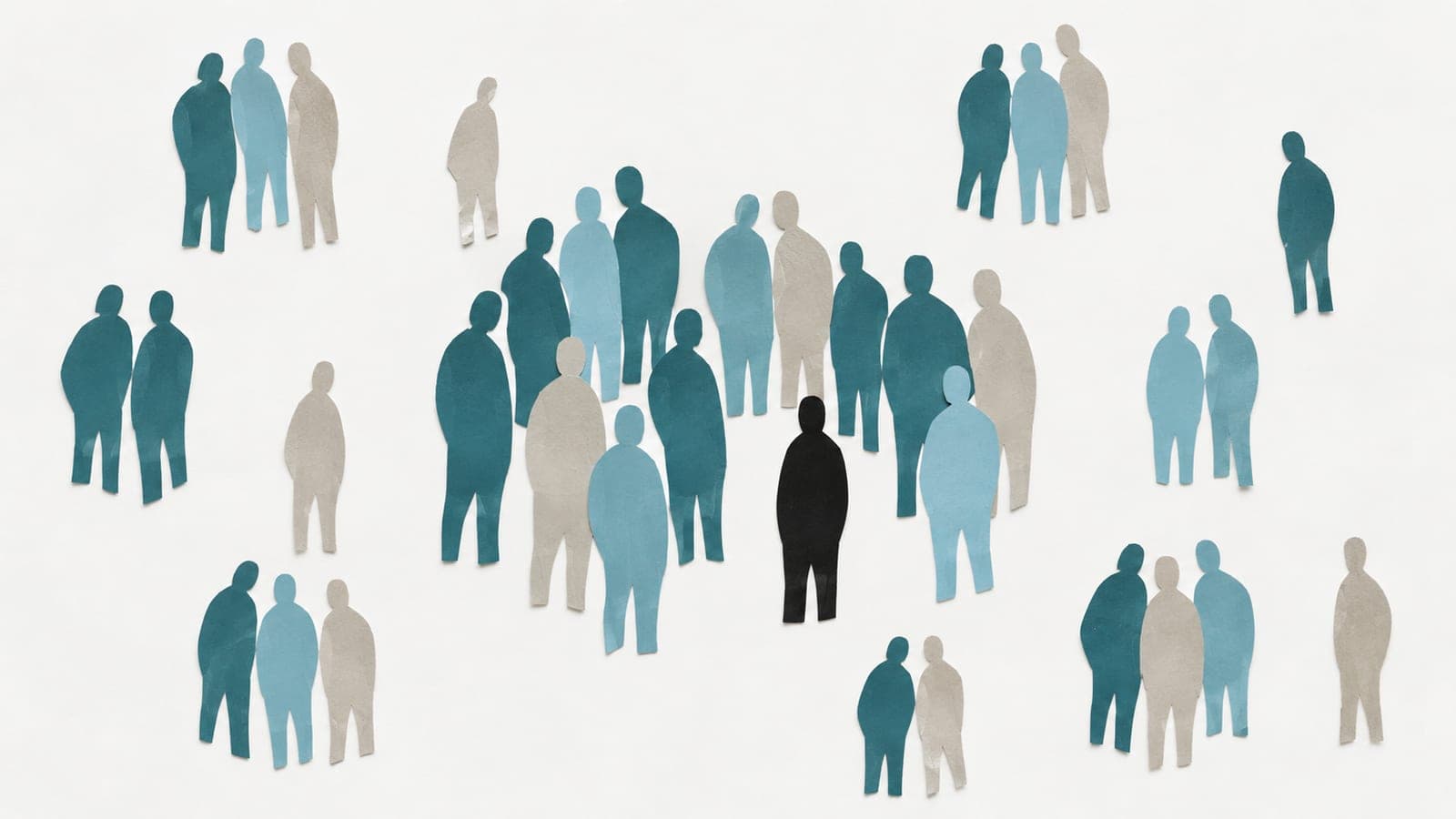
In an observational study of older adults in Sweden, Germany and Spain, researchers analysed two waves of the Survey of Health, Ageing and Retirement in Europe. They used statistical modelling to examine whether social frailty, a form of social vulnerability, accounted for the association between material hardship at the start and later cognitive impairment, or difficulties with thinking.
In Sweden, social frailty fully accounted for the association, particularly through psychological vulnerability and reduced social participation. In Germany, it accounted for part, but not all, of the association. In Spain, the association was primarily direct, rather than through social frailty; the researchers found no statistically significant indirect link through social frailty.
Why it matters
Understanding cognitive health in later life may require considering material hardship alongside social vulnerability. The authors argued for policy responses tailored to each country’s institutional and social context.
Caveats
This observational modelling study cannot establish that hardship or social frailty caused cognitive impairment. The findings may not apply to younger people or countries beyond Sweden, Germany and Spain.
From the paper
- Result
Psychosocial vulnerability emerged as the only significant mediator linking material precarity to cognitive impairment (β = 0.274, 95% CI = [0.043, 0.504]).
Results, Sweden: full mediation through psychosocial vulnerability
- Limitation
First, social frailty remains a developing construct, and there is no single agreed operationalization.
Quoted word for word from the full text on tandfonline.com.
The paper
Umeå University
Aging & Mental Health, 15 Oct 2026