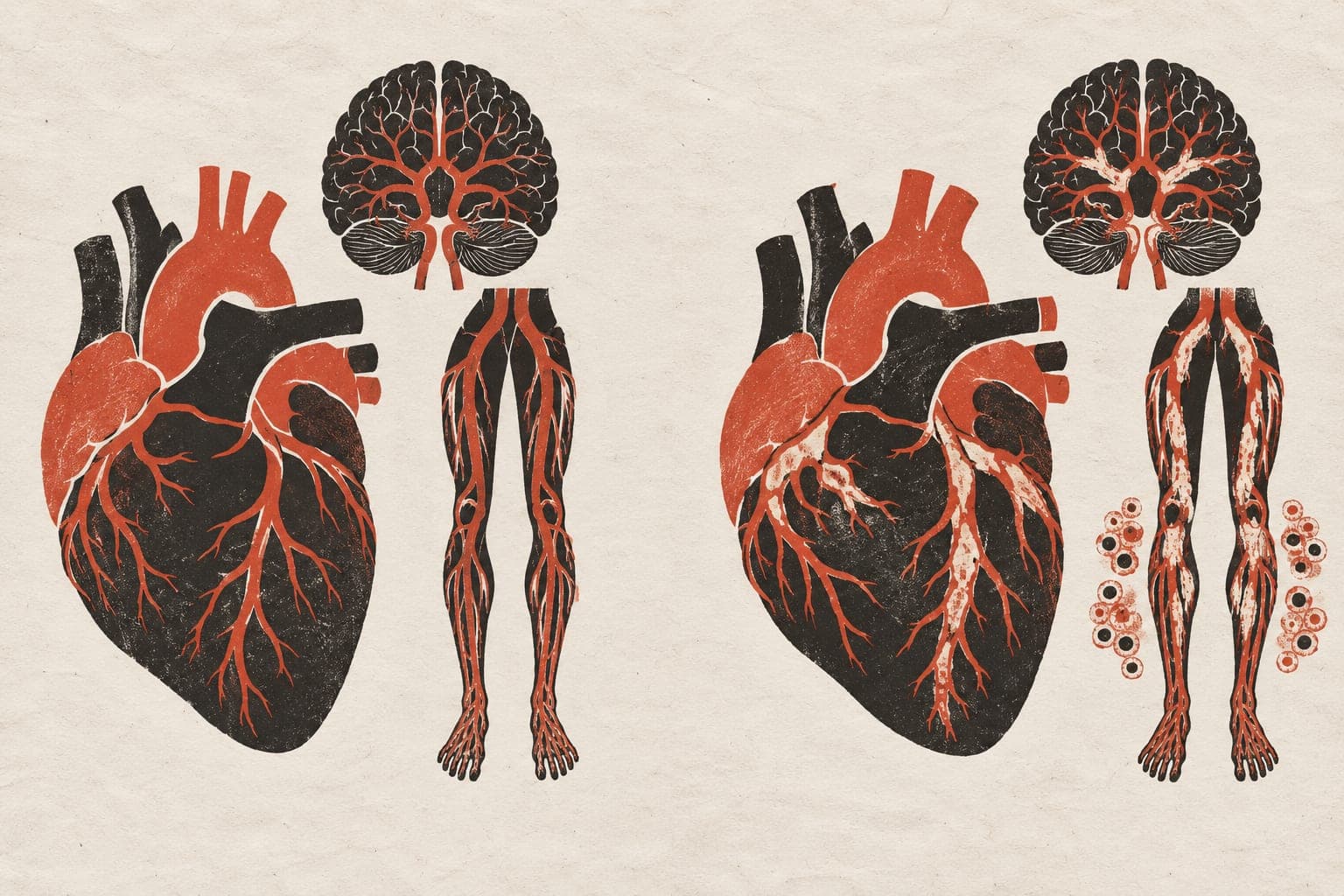
Lower heart-health scores linked to end-stage kidney disease
Each 10-point lower heart-health score was linked to a hazard ratio—a measure of relative risk over time—of 1.47 for end-stage kidney disease.
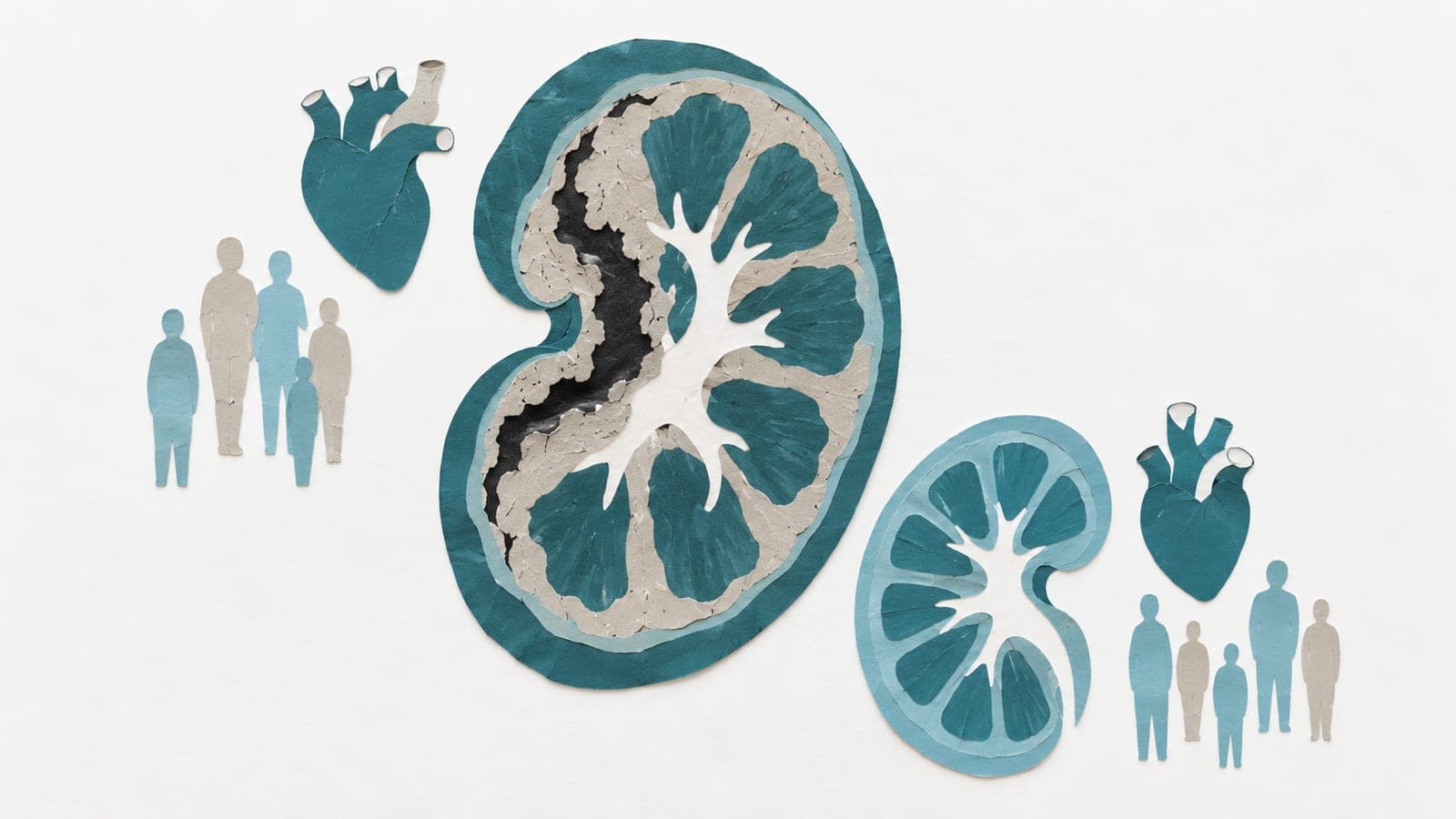
An observational study followed 276,494 UK Biobank participants without end-stage kidney disease at enrolment, whose average age was 56. Men made up 48% of participants, and 95% were White. Researchers assessed Life’s Essential 8, a heart-health score combining eight behavioural and biological factors, with higher scores indicating better health.
Over a median 14.1 years, 455 participants developed end-stage kidney disease. This meant needing therapy to replace kidney function or reaching the most advanced stage of chronic kidney disease. Each 10-point lower score was associated with higher risk after accounting for other factors. Participants with low scores, from 0 to 49, had more than five-fold higher risk than those with high scores, from 80 to 100.
Why it matters
The findings raise the question of whether using heart-health scores to guide changes in middle age could help prevent end-stage kidney disease as people grow older.
Caveats
This observational study cannot show that improving the score prevents kidney disease. Participants were predominantly White and did not have end-stage kidney disease at enrolment.
- Physical activity
- Smoking
- End-stage kidney disease
- Life's Essential 8
- Chronic kidney disease stage G5
- Humans
The paper
Duke-NUS Medical School
Clinical Journal of the American Society of Nephrology, 15 Oct 2026