In-vivo CRISPR/Base-Editing "One-Shot" Therapies Targeting PCSK9
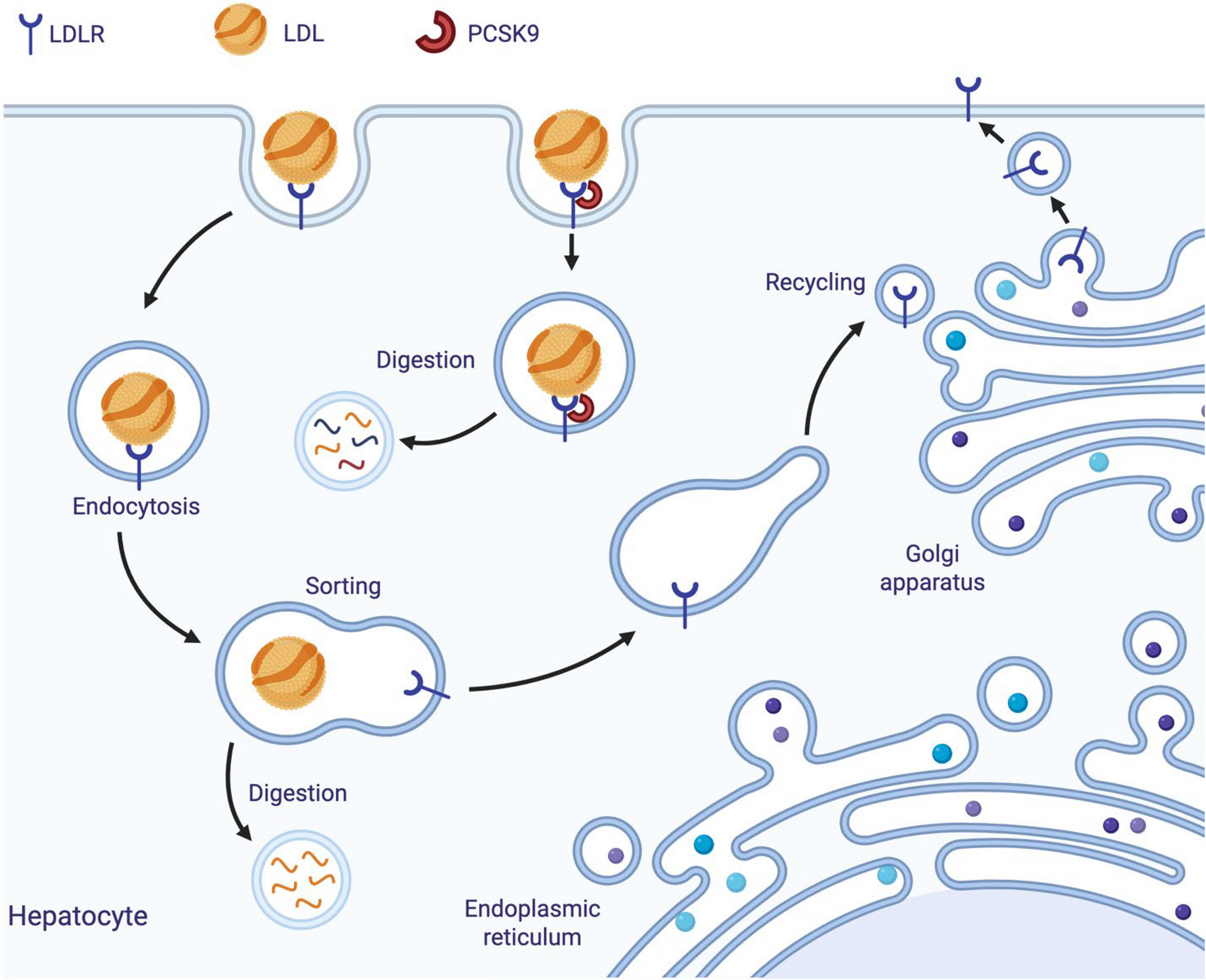
Abstract
PURPOSE OF REVIEW: To assess and present the current state of gene editing for reduction of atherosclerotic cardiovascular disease (ASCVD) with emphasis on technology and ongoing trials for genetic editing of protein convertase subtilisin/kexin type 9 (PCSK9). RECENT FINDINGS: There are two ongoing clinical trials in humans to edit PCSK9 using CRISPR-Cas9 base editing technology packaged within lipid nanoparticles (LNPs). Preliminary interim and preclinical data suggest that this strategy is effective for long-term reduction of PCSK9 and LDL-C following a single IV infusion. Monoclonal antibodies that neutralize circulating PCSK9 have demonstrated the utility of PCSK9 inhibition for reducing LDL-C and ASCVD. Although there is an increasing number of pharmacologic strategies for inhibiting PCSK9, gene editing is an attractive option due to its potential to permanently reduce circulating PCSK9 levels and by extension LDL-C and ASCVD. There are two ongoing clinical trials in humans investigating the safety and efficacy of gene editing for PCSK9 with encouraging preliminary results. In this review, we will describe the background of PCSK9 as a target, the gene editing machinery and the preliminary results. We also explore the unique safety challenges of this technology and propose considerations for appropriate patient populations to maintain net positive benefits despite unknowns.
The paper
Current Atherosclerosis Reports, Oct 15, 2026, Open access