Genetic analysis links shared DNA signals to artery disease
An observational analysis of human genetic study results identified 289 lead DNA variants across 177 risk regions and prioritised candidate protein targets.
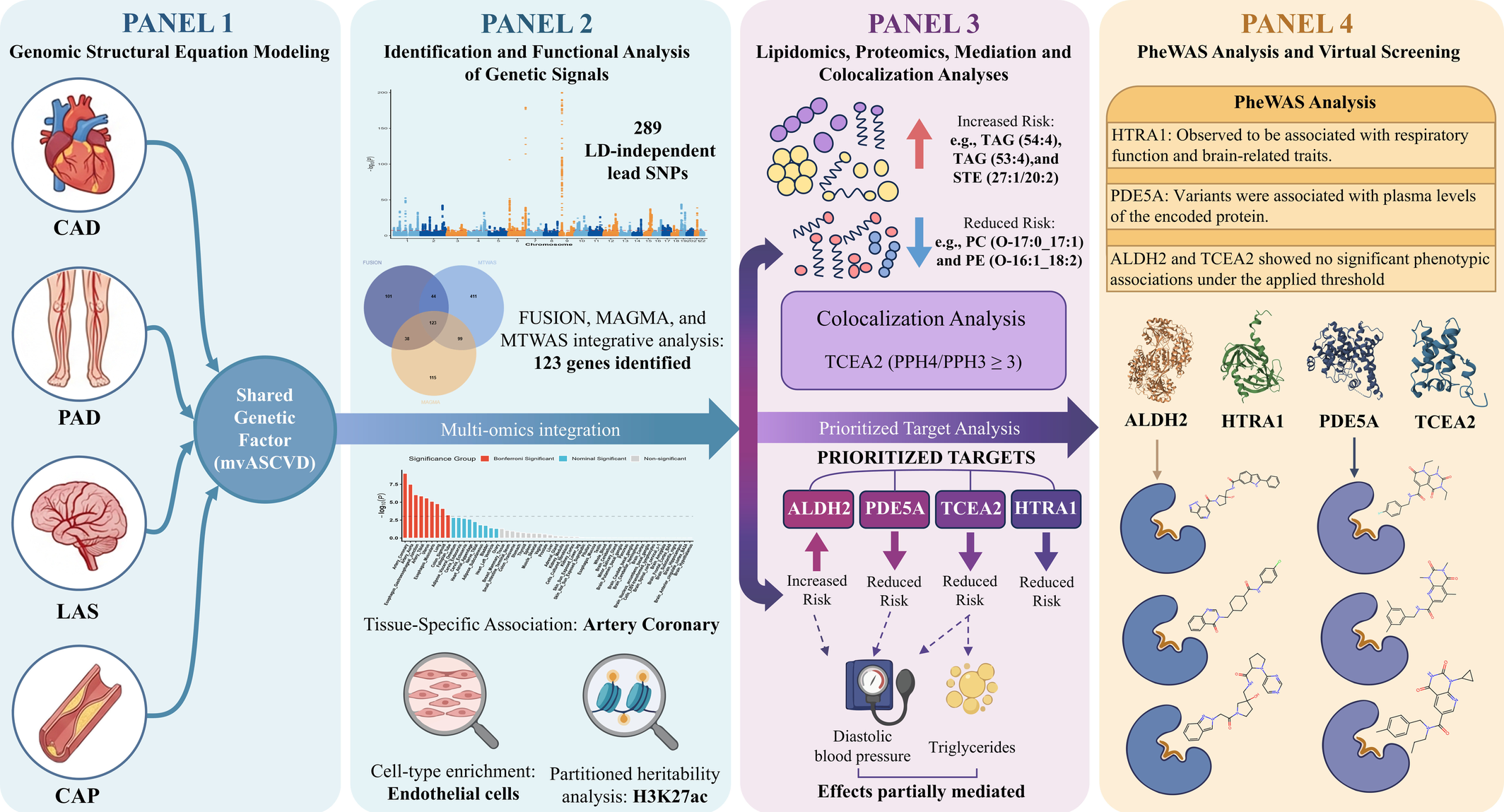
Limit: The genetic signals concern a modelled ASCVD common factor rather than directly measured disease
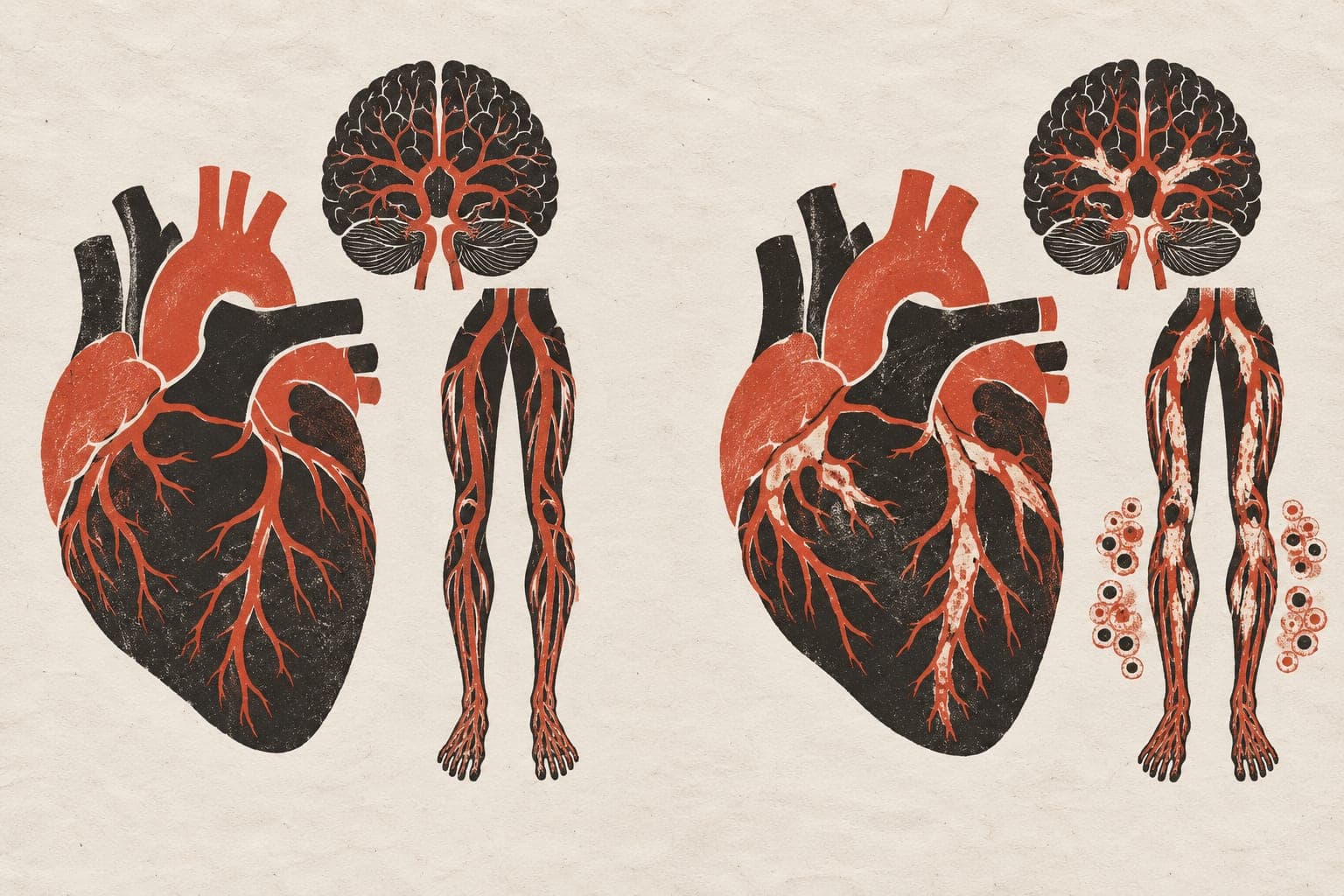
An observational genetic analysis combined summary results from human studies of conditions involving fatty deposits in arteries. These included heart artery disease, disease of arteries supplying the limbs, strokes involving large arteries, and deposits in neck arteries. The researchers modelled the genetic susceptibility shared by these conditions.
They identified 289 lead DNA variants across 177 genetic risk regions. Further analyses implicated 123 genes and prioritised proteins as candidate targets for future research. Computer screening also identified candidate compounds predicted to bind favourably to some of these proteins. These predictions did not establish whether the compounds would work as treatments.
Why it matters
Atherosclerotic cardiovascular disease is relevant to health in later life. Identifying possible treatment targets can help guide future research into these conditions.
Caveats
The findings came from genetic association analyses and computer predictions, not treatment tests. The candidate targets still need functional studies and validation.
The paper
Guang'anmen Hospital China Academy of Chinese Medical Sciences Beijing China
Journal of the American Heart Association, 16 Oct 2026