Wives’ organised activities had weaker health links as habits differed
An observational study of 1,705 Chinese couples found weaker links between wives’ organised social participation and lower bodily strain when spouses’ health behaviours differed.
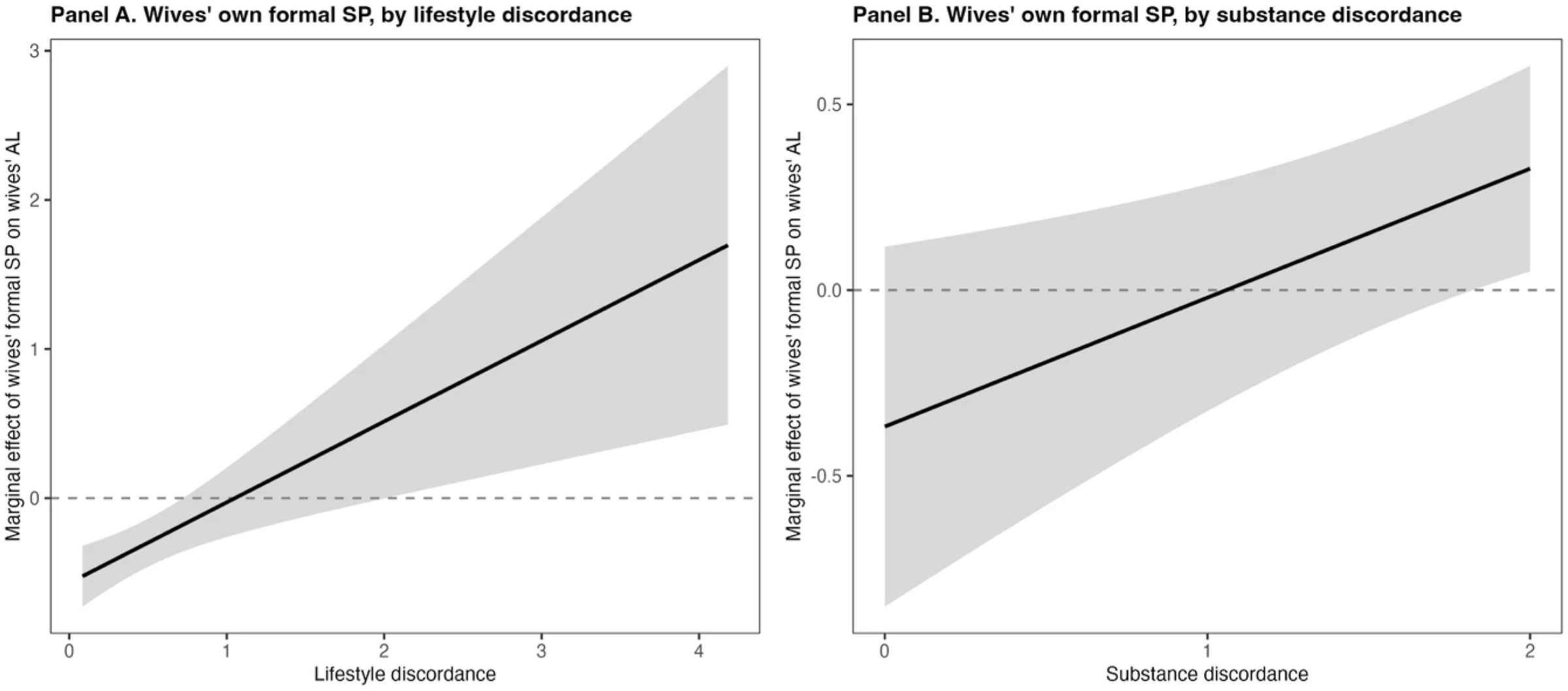
An observational study used data on 1,705 couples in China collected in 2011 and 2015. Researchers examined formal and informal social participation and later allostatic load, a measure of cumulative strain on the body. Their models accounted for both spouses’ health behaviours.
Differences in lifestyle and substance use weakened the link between wives’ formal participation in organised activities and lower allostatic load. Wives’ informal social participation was linked to higher load when lifestyle differences were small. That association weakened as differences grew. Husbands’ formal participation was linked to lower load in wives when behavioural differences were large. The researchers found no statistically significant interactions between social participation and behavioural differences when examining husbands’ load.
Why it matters
Efforts to support older adults through community engagement may need to account for spouses’ health behaviours, rather than focusing only on the person taking part.
Caveats
These observational associations could not establish cause and effect or show that changing spouses’ habits would improve health. The study examined couples in China, not community-engagement programmes.
- Formal social participation
- Informal social participation
- Lifestyle discordance
- Substance-use discordance
- Allostatic load
- Humans
The paper
Nanyang Technological University
Social Science & Medicine, 9 Oct 2026