Family support linked to daily tasks in adults aged 45–85 in China
In 12,769 adults in China, increasing financial reciprocity with minimal interaction was linked to 0.67 points higher daily task limitation scores than high exchange with stable interaction.
Research Square
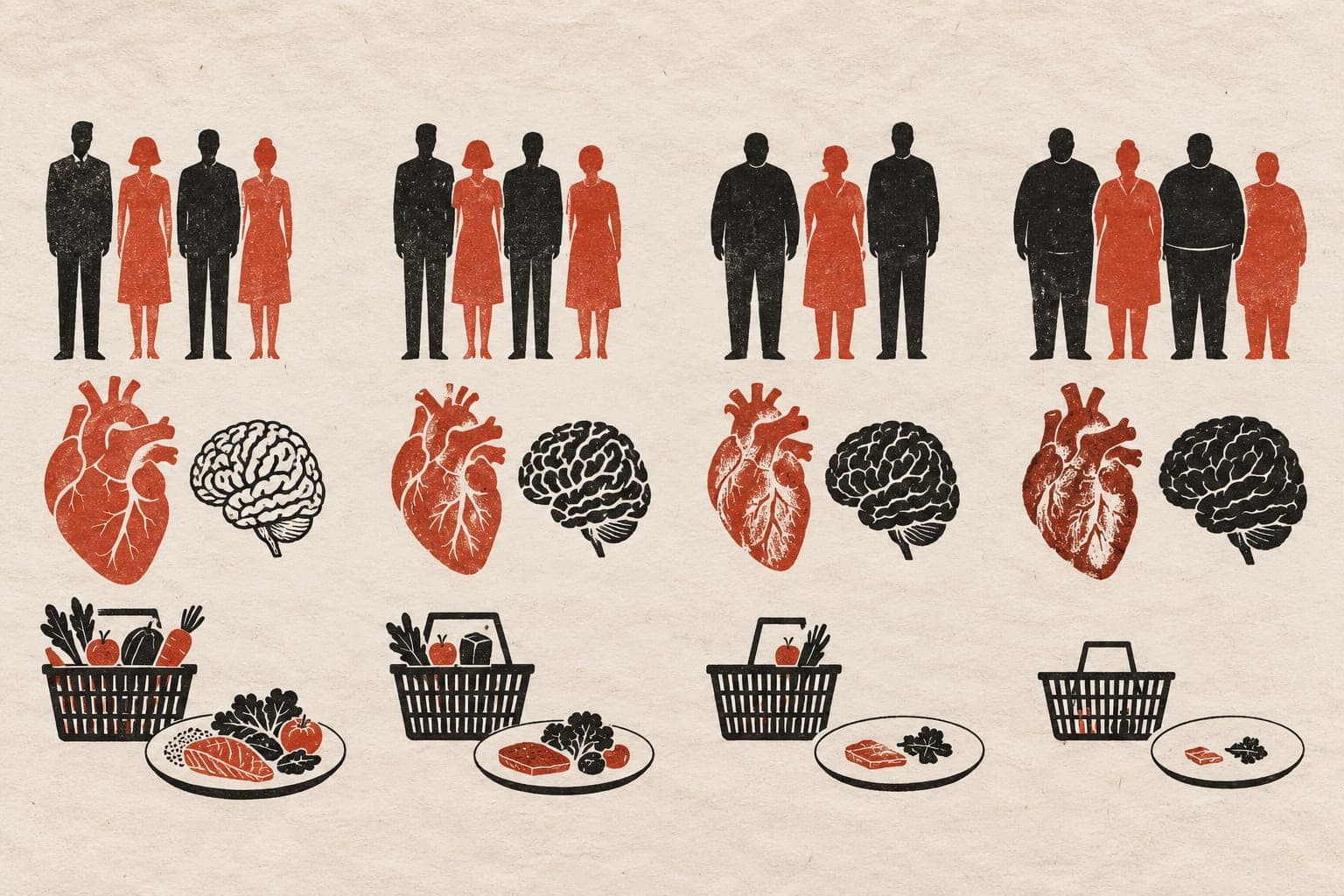
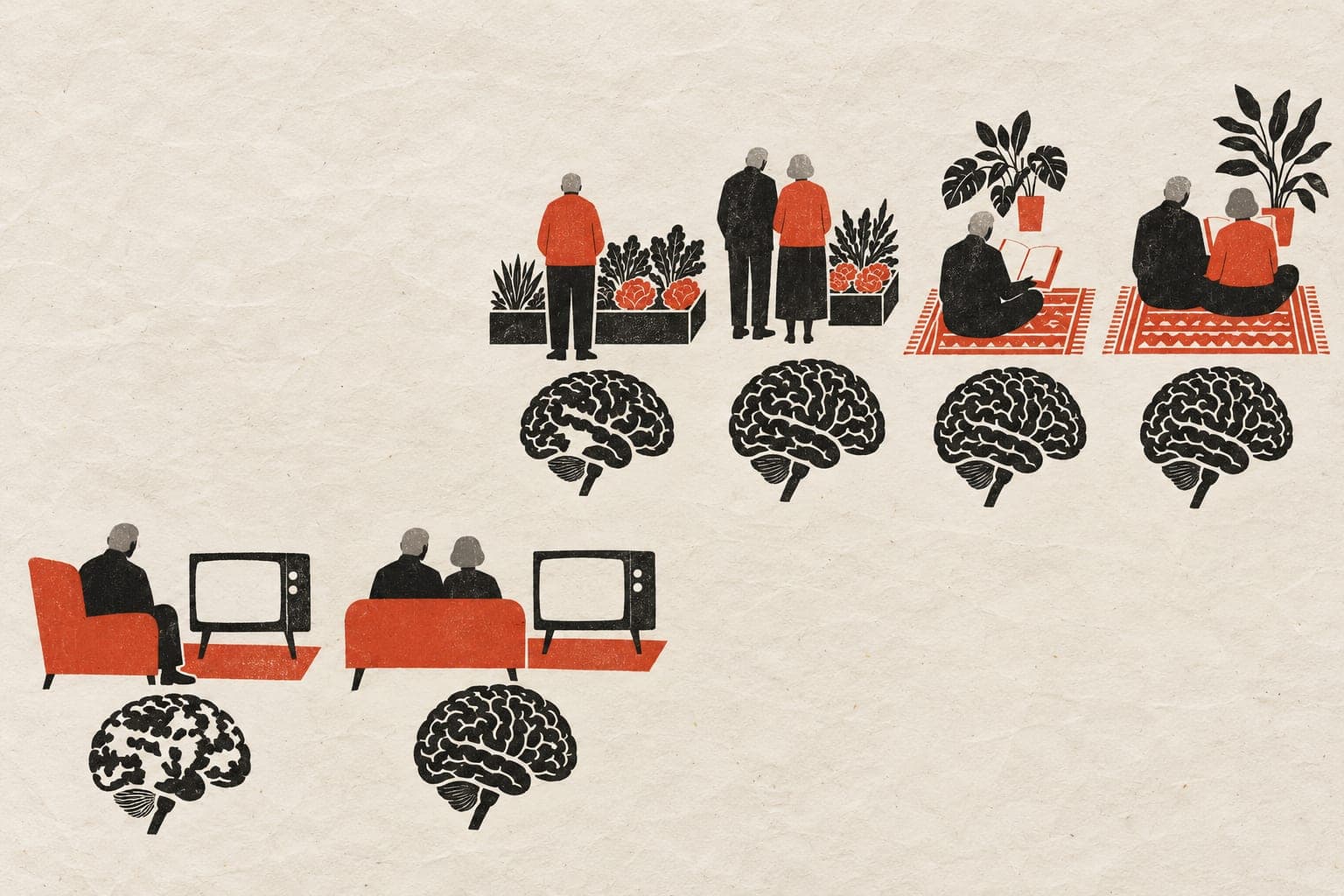
In an observational cohort study of 12,769 adults aged 45 to 85 years in China, researchers examined patterns of financial, practical, and relational support with adult children between 2011 and 2015. The team tracked six measures of financial exchange, caregiving, and contact, identifying five multi-year trajectories. They then assessed associations between these trajectories and 2018 scores for instrumental activities of daily living, which involve everyday functional tasks, and basic activities of daily living, or self-care. Compared with the high multidimensional exchange–stable interaction trajectory, all other trajectories were associated with higher instrumental limitation scores. The largest differences were seen in participants with increasing financial reciprocity and minimal interaction (mean difference 0.67) and increasing financial exchange with declining interaction (0.57). Differences in basic daily self-care were smaller and did not remain statistically significant after correction for multiple comparisons.
Why it matters
Maintaining functional independence is a key goal of healthy aging. The findings suggest that jointly tracking how financial, practical, and relational ties evolve over time may provide a clearer picture of family contexts and functional aging.
Caveats
Because this is an observational study, the support trajectories cannot be said to cause subsequent functional limitations. In addition, the paper is a preprint that has not yet been peer-reviewed.
The paper
Wang P, Tao C
Research Square · 8 Oct 2026 · Preprint, not peer-reviewed