Kidney stone rates rise steadily with age from 46 to 80
Rates rose from 39.4 to 150.54 per 100,000 person-years between ages 46 and 80 among 494,745 UK Biobank participants followed from 2010 to 2022.
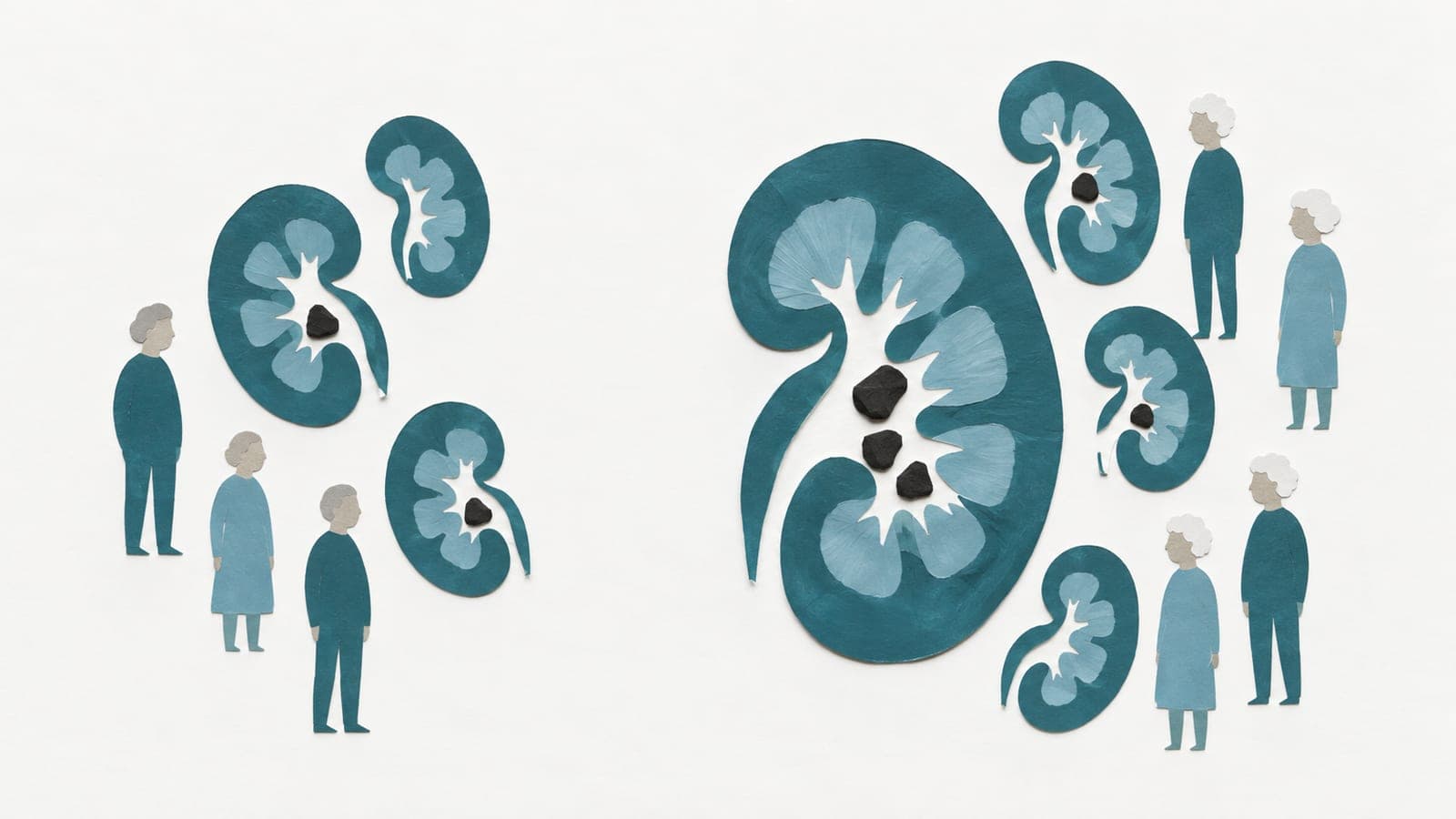
Researchers tracked 494,745 UK Biobank participants from 2010 to 2022 in an observational cohort study, after excluding 7,406 individuals with a documented history of kidney stones at baseline. The primary outcome was the first-ever diagnosis of kidney stones during follow-up.
During follow-up, 5,614 incident kidney stone cases were identified. The absolute number of cases peaked in the 63 to 65-year age group. Incidence rates increased progressively with age, ranging from 39.4 to 150.54 per 100,000 person-years between ages 46 and 80. Linear regression analyses showed a positive association between age and kidney stone incidence in men, women, and the overall cohort. These findings contrast with the traditional view that kidney stone incidence peaks between the fourth and sixth decades of life.
Why it matters
Kidney stone disease has traditionally been considered a condition that peaks in middle age rather than later life. The shift towards higher rates in older adults highlights the importance of tailoring stone prevention and care to aging populations.
Caveats
The observational design can show an association between age and kidney stones, but cannot prove cause and effect. In addition, the findings apply to first-ever diagnoses in UK Biobank participants aged 46 to 80, leaving out younger people and anyone with a prior history of kidney stones.
The paper
Redefining Kidney Stone Incidence: Emerging Age-Related Patterns
University of Alabama at Birmingham
Journal of Endourology, 14 Oct 2026