Optimizing Japanese dietary patterns to improve nutritional quality, reduce environmental impact under affordability constraints in younger and older adults from the nationwide MINNADE study
Abstract
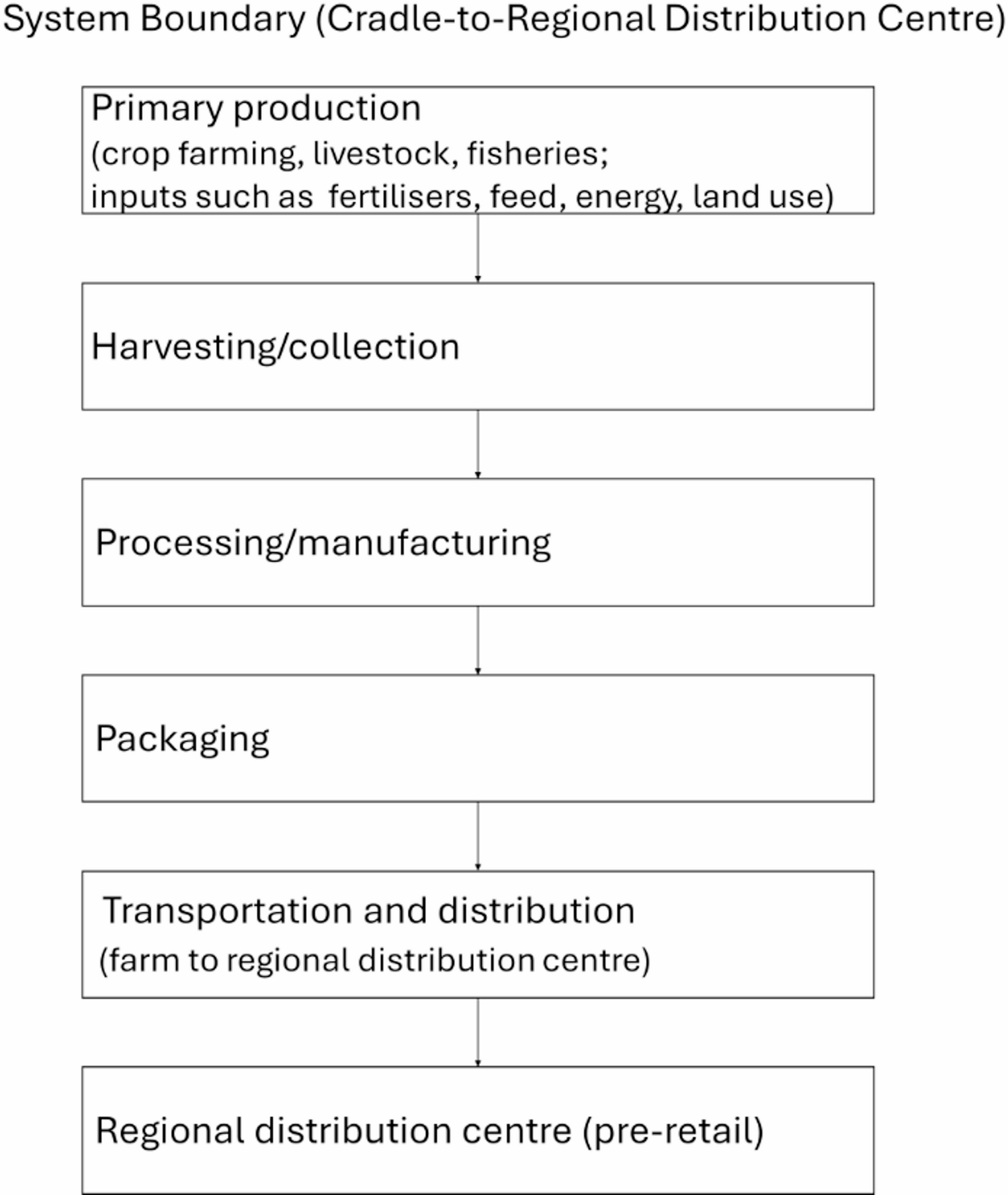
PURPOSE: To optimise diets that are more nutritious, have lower diet-related greenhouse gas emissions (GHGE) based on cradle-to-pre-retail impact, and remain affordable for Japanese adults of different age groups. METHODS: Eight-day dietary records collected from younger (aged 18-49 years; 711 males and 734 females) and older (aged 50-74 years; 565 males and 605 females) Japanese adults were analysed. For each sex-age group, optimised diets were derived under three optimisation models using Data Envelopment Analysis: (i) MaxNRF: maximisation of diet quality score (Nutrient Rich Food Index [NRF] 9.3); (ii) MinGHGE: minimisation of GHGE; and (iii) OPT2G: combination of both objectives. All models included a monetary cost constraint (105% of observed). The proportions of participants having inadequate nutrient intakes, based on the Japanese Dietary Reference Intakes, were compared between observed diets and three optimised diets. RESULTS: All optimised diets showed NRF9.3 scores 13.5-35.9% higher than those observed in all sex-age groups. GHGE decreased by 12.6-32.7% in the MinGHGE and OPT2G only. Differences between the optimised and observed diets in NRF9.3 score and GHGE were generally larger in younger than in older adults. All optimised diets showed lower or similar prevalences of inadequate nutrient intake compared with observed values. However, in younger males, optimised diets with MinGHGE had less favourable macronutrient distributions and higher inadequacies of vitamins A, C, and riboflavin than observed. CONCLUSION: Optimised diets showed better nutrient adequacy and lower GHGE across all sex-age groups, although specific nutrient shortfalls warrant attention when minimising GHGE in younger males.
From the paper
- Participants
Considering attrition from this initial wave, the second round recruited 110–119 individuals per sex–age group, yielding a total of 2051 participants.
Quoted word for word from the full text on link.springer.com.
The paper
Toho University; Chiba University
European Journal of Nutrition, 13 Oct 2026, Open access


